
Remanufactured Trane Compressors for Commercial HVAC: Comprehensive Replacement and Reliability Solutions
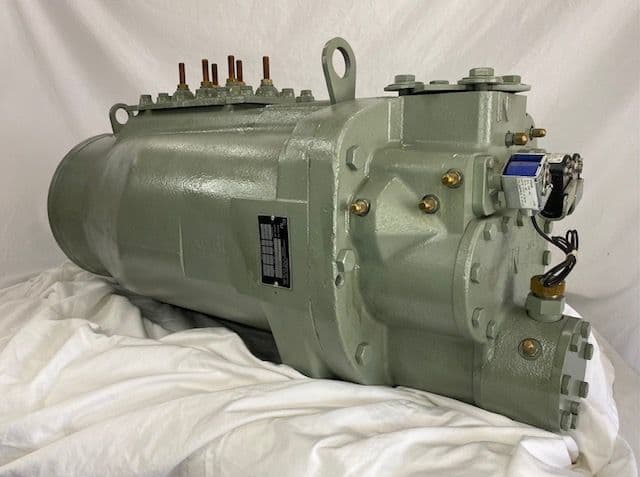
Get quality remanufactured Trane compressors designed to enhance HVAC performance and reliability. Trust in proven solutions for superior climate control.
Remanufactured Trane compressors provide a dependable, cost-efficient alternative to new units for commercial HVAC systems. This guide explains the capabilities of remanufactured compressors, their environmental advantages, and their role in maintaining operational efficiency. As energy costs increase and sustainability requirements intensify, remanufactured units offer a practical balance between lower cost and reliable performance. The following sections cover replacement options, reliability considerations, performance advantages, and cost-efficiency analysis.
Replacement Solutions
Remanufactured Trane compressors represent a practical replacement for commercial applications, delivering OEM new-equivalent performance at lower capital expenditure. Each unit is subjected to a controlled restoration protocol to verify adherence to original specifications. Key attributes include:
- Quality Restoration: Each unit is thoroughly inspected, remanufactured, and tested to ensure functionality and longevity.
- Cost-Effective Options: Businesses can save between 30-50% compared to new OEM compressors, making remanufactured units an appealing choice for budget-conscious operators.
- Performance Assurance: Many remanufactured Trane compressors are designed to match or exceed the performance metrics of new models, ensuring reliable operation in demanding commercial settings.
This restoration and verification process enables operators to maintain systems with components that meet established quality standards and offer predictable service life.
Reliability Factors
Reliability is a primary concern for operators relying on uninterrupted HVAC service. Remanufactured Trane compressors attain dependable performance through controlled inspection, component renewal, and final validation testing. These measures reduce the risk of premature failure and support consistent operation in commercial environments.
- Rigorous Testing: Every compressor undergoes extensive functional testing and inspection, ensuring that it performs under real-world conditions.
- Long-Term Performance Standards: Remanufactured units are engineered to meet stringent performance benchmarks, often matching new units in durability and operational efficiency.
- Durability Comparison: Studies indicate that remanufactured Trane compressors offer reliability comparable to OEM new models, making them a smart choice for commercial applications.
Awareness of these reliability factors helps facility managers select remanufactured units that align with operational continuity objectives.
Performance Benefits of a Remanufactured Trane Compressor
Remanufactured Trane compressors deliver measurable performance benefits, including improved system efficiency and enhanced operational characteristics. The incorporation of updated components and adherence to performance validation criteria support consistent output and reduced energy use compared with older installations.
- Operational Efficiency: Remanufactured units often feature advanced materials and technology, resulting in greater efficiency than their older counterparts.
- Energy Savings: By integrating modern efficiency technologies, these compressors can achieve significant energy savings, lowering operating costs.
- Application Versatility: Suitable for a range of commercial applications, remanufactured compressors can adapt to diverse system requirements and configurations.
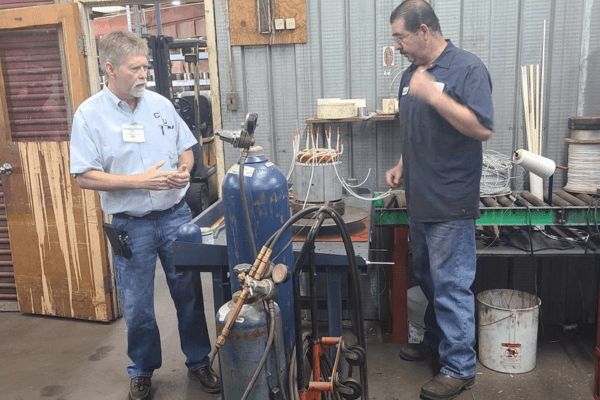
These performance improvements make remanufactured compressors an effective option for organizations seeking to optimize HVAC operation without incurring the cost of new equipment.
Cost Savings of a Remanufactured Trane
Choosing remanufactured compressors yields significant financial benefits for commercial HVAC programs. The lower initial purchase price combined with sustained efficiency gains reduces the total cost of ownership. Cost advantages are particularly relevant for organizations managing multiple assets or constrained capital budgets.
- Initial Cost Reductions: Remanufactured compressors often cost 30-50% less than new units, allowing businesses to allocate resources elsewhere.
- Long-Term Savings Insights: The energy-saving features of remanufactured compressors often translate to what can be hundreds of dollars saved annually on energy bills.
- Budget-Friendly Options for Clients: The affordability of remanufactured units allows businesses to invest in quality without compromising financial viability.
These cost considerations support the business case for selecting remanufactured units when capital efficiency and reliable performance are priorities.

For organizations seeking Trane remanufactured compressors, Compressors Unlimited offers options engineered to address specific operational requirements while balancing cost, efficiency, and reliability.
Energy Efficiency Gains of a Trane
Energy efficiency is a core consideration for HVAC asset management. Remanufactured Trane compressors are optimized to reduce energy demand relative to legacy units through component upgrades and performance tuning. Improved efficiency supports lower operating costs and contributes to corporate sustainability targets.
- Optimized Energy Requirements: These compressors are designed to maximize energy use, typically requiring less energy to deliver the same output compared to older models.
- Innovations in Efficiency: Advances in Trane technology incorporated into remanufactured units lead to improved efficiency ratings, reflecting a trend in sustainable operations.
- Long-Term Utility Savings: Over time, businesses utilizing efficient compressor technologies can expect significant reductions in utility costs, contributing to a healthier bottom line.
The energy advantages of remanufactured compressors support both operational savings and reduced environmental impact for commercial operators.
Commonly Remanufactured Models
Operators commonly request specific Trane models for remanufacturing based on field performance and ease of integration. Frequently remanufactured models include those designed for rooftop, packaged, and central plant applications where proven reliability is required.
- Trane Model CHHP: Known for its robust performance in diverse commercial settings, providing reliability and efficiency.
- Trane Model CHHB: Built for rooftop applications, this model is valued for its space-saving features and payload capabilities.
- Trane Model CRHR: This model is recognized for its energy-efficient operation and adaptability to various installations.
These models are favored because they combine established field performance with compatibility across a range of commercial installations.
Technical Specifications for a Trane
Reviewing technical specifications is essential to confirm compatibility between remanufactured compressors and existing HVAC infrastructure. Model capacity and efficiency ratings are key determinants when planning replacements.
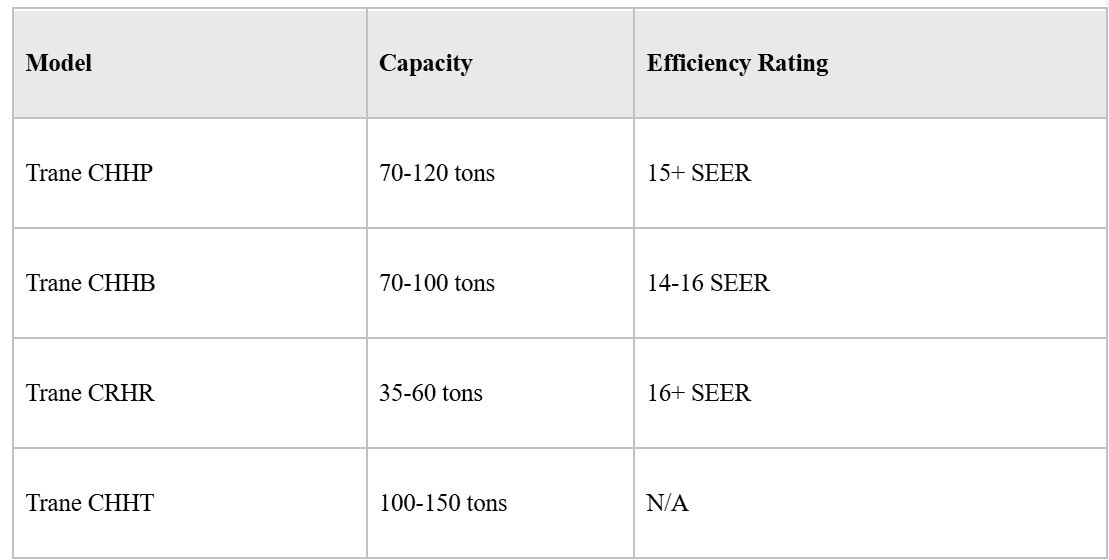
The table summarizes model capabilities and efficiency benchmarks to assist technical teams in specifying appropriate replacements.
What Are the Key Benefits of Using Remanufactured Trane Compressors in Commercial HVAC Systems?
Remanufactured Trane compressors deliver several measurable benefits to commercial HVAC systems. These include reduced capital expenditure, lower environmental impact through core reuse, and performance that aligns with operational reliability expectations.
- Cost Savings: Businesses enjoy substantial reductions in initial investment compared to new units, allowing financial flexibility.
- Environmental Benefits: By reusing and refurbishing existing units, businesses contribute to sustainability efforts, reducing waste.
- Reliable Performance: High-quality remanufactured Trane compressors often meet the same standards as new models, providing peace of mind.
Collectively, these benefits support a strategic approach to asset management where cost control, sustainability, and system reliability are required.
How Do Trane Remanufactured Compressors Ensure Reliability Comparable to New Units?
Reliability is achieved through a set of controlled processes: comprehensive inspection and functional testing, replacement of degraded components with high-quality parts, and adherence to industry remanufacturing standards. These practices ensure the unit meets defined performance criteria before deployment.
- Comprehensive Inspection and Testing: Each unit is subjected to stringent quality control measures, ensuring they meet or exceed OEM specifications.
- Use of High-Quality Components: Many replaced parts are upgraded to enhance efficiency and longevity, matching the quality seen in new models.
- Adherence to Industry Standards: Manufacturers follow rigorous industry guidelines during the remanufacturing process to ensure compatibility and performance.
Through these verification steps, remanufactured compressors provide a level of reliability appropriate for commercial HVAC operations.
What Cost Savings and Energy Efficiency Gains Can Be Expected?
Investing in remanufactured compressors typically results in measurable cost and energy benefits. Lower purchase prices reduce upfront capital requirements, while improved efficiency reduces ongoing energy expenditure. Many operators document substantial annual savings following installation.
- Reduced Capital Investment: Expect costs to be 30-50% lower than those of OEM new units, enabling better budget management.
- Lower Energy Usage: Enhanced efficiency reduces energy costs, with many users reporting significant annual savings.
- Performance Improvements: Remanufactured units not only save money but often perform at or above the levels of new compressors.
These expected outcomes explain why facilities frequently select remanufactured compressors as a cost-effective replacement strategy.
How Does Compatibility Affect Commercial HVAC System Integration?
Compatibility is critical when integrating remanufactured compressors. Key considerations include matching refrigerant type, correct sizing for system load, and ensuring control system interoperability. Failure to verify these factors can compromise efficiency and system reliability.
- Refrigerant Types: Ensure that the chosen Trane compressor is compatible with the refrigerants used in the current system.
- Size and Capacity: The remanufactured unit must be adequately sized to match the existing setup for optimal performance.
- Control Systems: Compatibility with existing controls and management systems is vital for maintaining system efficiency.
Addressing compatibility proactively reduces the risk of integration issues and supports consistent system performance following installation.
How Is the Remanufacturing Process Conducted to Guarantee Industrial HVAC Compressor Quality?
The remanufacturing workflow follows sequential steps: controlled disassembly, detailed inspection for wear and damage, replacement or refurbishment of components, and final reassembly. Each stage includes documentation and acceptance testing to verify restored functionality.
- Dismantling and Inspection: Each compressor is carefully disassembled and thoroughly inspected for wear and damage.
- Component Replacement: Worn or defective components are replaced with high-quality equivalents to enhance performance.
- Testing and Certification: After reassembly, compressors undergo rigorous testing to ensure they meet required functionality standards.
This structured process ensures remanufactured compressors satisfy defined quality criteria and operate reliably in industrial environments.
How Are Compressor Parts and Components Inspected and Remanufactured?
Component inspection is methodical and documented. Technicians evaluate each part for wear, corrosion, and dimensional tolerances. Defective items are repaired or replaced with components that meet or exceed original specifications to restore operational capability.
- Thorough Inspection Processes: Each component is inspected for wear, defects, and overall condition.
- Remanufactured Descriptions: Defective parts are repaired or replaced, ensuring each unit is restored to optimal performance.
- Expected Outcomes from Inspections: This process guarantees that remanufactured compressors operate effectively and reliably in their intended applications.
Meticulous inspection and remanufacturing procedures are fundamental to delivering remanufactured Trane compressors that meet service and longevity expectations.
What Maintenance and Troubleshooting Practices Optimize the Performance of Remanufactured Trane Compressors?
Optimizing performance requires a disciplined maintenance program and defined troubleshooting workflows. Scheduled inspections, condition monitoring, and prompt rectification of anomalies limit downtime and extend equipment life.
- Regular Maintenance Checks: Scheduled inspections help identify and rectify minor issues before they escalate.
- Common Issues Monitoring: Key performance indicators should be tracked to ensure operational efficiency and address any potential problems.
- Maintenance Alerts: Setting alerts for regular service intervals can prevent downtime and maintain reliability.
Adopting these practices helps ensure remanufactured HVAC compressors maintain rated performance throughout their service lives.
Which Common Issues Should HVAC Professionals Monitor?
Technicians should monitor several indicators that typically signal developing problems: deviations in performance metrics, unusual acoustic signatures, and unexpected increases in energy consumption. Early detection allows for corrective action before a fault escalates.
- Performance Fluctuations: Monitoring for any unusual changes in compressor efficiency or output.
- Strange Noises: Identifying any abnormal sounds that could indicate mechanical failures or operational issues.
- Energy Consumption: Tracking energy use for any unexpected spikes, which may signal underlying problems.
Maintaining vigilance on these issues enables timely intervention and preserves system reliability.
What Are Recommended Maintenance Intervals and Procedures?
Recommended maintenance intervals and procedures help protect investment value. Quarterly inspections are advisable to identify wear and to perform lubrication, filter maintenance, and component checks. Adherence to agency guidelines further ensures regulatory compliance.
- Maintenance Frequency Recommendations: It's ideal to perform maintenance checks quarterly to catch potential issues early.
- Specific Procedures Outlined: Regular lubrication, cleaning, and parts checks should be part of the maintenance process.
- Agency Compliance Data: Follow any agency guidelines related to HVAC systems to ensure compliance and operational efficiency.
Regular, documented maintenance supports warranty compliance and contributes to predictable, long-term system performance.
How Do Industry Compliance and Warranty Terms Influence Commercial HVAC Compressor Replacement Decisions?
Industry compliance and warranty provisions are decisive factors in replacement planning. Warranties mitigate financial risk associated with component failure, while regulatory requirements influence permissible equipment choices and installation practices.
- Overview of Warranty Terms: Many remanufactured compressors come with warranties that offer peace of mind and protection against defects or performance issues.
- Compliance Considerations: Understanding local regulations and standards can affect the selection process for replacement units.
- Service Impacts on Purchasing Decisions: The availability of responsive service and support can sway decision-making when selecting between options.
Understanding the interplay of compliance obligations and warranty coverage is essential for sound procurement decisions.
What Warranty Coverage Is Standard for Remanufactured Trane Compressors?
Standard limited warranty coverage for remanufactured compressors commonly spans 12 months. Specific terms, exclusions, and required maintenance actions vary by supplier and should be reviewed prior to purchase to confirm the protection scope.
- Details on Warranty Duration: Most remanufactured units come with competitive standard limited warranty periods, often ranging from 6 months to 1 year.
- Coverage Exclusions and Conditions: Specific terms should be reviewed, as some conditions apply to warranty claims.
- Importance of Adhering to Warranty Terms: Following maintenance, operational, and installation guidelines can help maintain warranty validity.
Careful review of warranty documentation ensures that the purchaser understands obligations and coverage limits associated with the remanufactured unit.
How Do Regulatory Standards Impact Compressor Selection and Use?
Regulatory standards affect both selection and operational use. Compliance with emissions, safety, and efficiency regulations may require selecting units that meet updated performance criteria and documented testing requirements.
- Impact of Regulatory Compliance: Compliance with evolving standards ensures safe and environmentally responsible operations.
- Selection Criteria Influenced by Regulations: Operators may be compelled to choose units that meet higher efficiency ratings or specific regulatory guidelines.
- Market Adaptation Insights: Keeping abreast of regulation changes can facilitate proactive adjustments to compressor choices and overall HVAC strategies.
Maintaining regulatory awareness allows organizations to select compliant equipment and plan for future standard changes.
What Do Case Studies Reveal About Downtime Reduction and Cost Efficiency Using Remanufactured Trane Compressors?
Case studies demonstrate that remanufactured Trane compressors can reduce downtime and lower operational costs. Reported outcomes include improved availability, reduced budget restraints, and a clear link between remanufacturing adoption and lower lifecycle expenses.
- Quantifiable Success Stories: Numerous facilities report improved uptime and decreased budget needs following the integration of remanufactured units.
- Financial Implications Demonstrated: Case studies frequently illustrate the direct correlation between remanufactured units and lowered operational costs.
- Real-World Implications of Operational Downtime: Businesses that adopted remanufactured compressors often see improved productivity and reduced costs related to equipment failures.
These documented outcomes illustrate the practical advantages of remanufactured compressors in commercial operations.
How Have Industrial and Commercial Facilities Benefited from Compressor Remanufacturing?
Facilities that adopt remanufactured HVAC compressors report a range of operational benefits, including fewer unplanned outages and improved equipment throughput. Modernized components and validated performance contribute to greater operational resilience.
- Broad Analysis of Improvements: Many facilities report enhanced operational capabilities and a significant reduction in the frequency of breakdowns.
- Enhanced Operational Capacities: Remanufactured HVAC compressors equipped with modern technology often outperform older models, enabling facilities to operate more efficiently.
- Sustainability Implications Illustrated: Emphasizing sustainability through the use of remanufactured components aligns with increasing environmental considerations for businesses.
These benefits demonstrate the value of integrating remanufactured components as part of a comprehensive asset management strategy.
What Quantifiable Improvements in System Reliability Are Documented?
Documented data indicate measurable gains in reliability following remanufactured HVAC compressor installation. Facilities report lower failure rates, decreased maintenance expenditure, and sustained performance metrics consistent with long-term operational goals.
- Statistical Data Provided: Facilities report reduced failure rates and maintenance costs after implementing remanufactured units.
- Service Quality Discussions: Consistent performance metrics show that businesses enjoy fewer interruptions and greater reliability.
- Reliability Benchmarks Established: Documented studies reveal that remanufactured commercial HVAC compressors often meet or exceed the longevity of their new counterparts, offering long-term value.
These data-driven observations reinforce the position of remanufactured commercial units as a viable option for organizations focused on reliability and cost control.
These data-driven observations reinforce the position of remanufactured units as a viable option for organizations focused on reliability and cost control.
Economic and Environmental Benefits of Commercial Remanufactured Compressors
Repaired compressors are compared with remanufactured and new compressors in terms of economic and environmental benefits. A detailed life cycle assessment has been carried out for compressors under three manufacturing strategies: repaired, remanufactured and new equipment. The life cycle assessment of the global warming potential of repaired compressors varies from 4.38 to 119 kg carbon dioxide equivalent (CO2-e), depending on the type of components replaced. While greenhouse gas emissions from the remanufactured compressors (110 to 168 kg CO2-e) are relatively higher than those from the repaired ones (4.4 to 119 kg CO2-e), a new compressor has been found to produce a larger amount of greenhouse gas emissions (1,590 kg CO2-e) compared to both repaired and remanufactured compressors. A comparison of repaired, remanufactured and new compressors used in commercial facilities.
Western Australian small-and medium-sized enterprises in terms of global warming, WK Biswas, 2013
Frequently Asked Questions for Trane Compressors
1. What differentiates remanufactured compressors from repaired ones?
Remanufactured HVAC compressors are restored through a full disassembly, inspection, and component renewal process to meet or exceed OEM specifications. Repaired units typically address only the immediate fault and do not undergo the same comprehensive refurbishment, which can result in lower long-term reliability. The exhaustive testing and quality assurance applied to remanufactured units support extended service life in commercial installations.
2. How do remanufactured compressors contribute to sustainability?
Using remanufactured compressors reduces equipment disposal and decreases demand for new manufacturing, thereby lowering overall carbon emissions. Refurbishment extends the service life of existing assets and supports corporate sustainability objectives by conserving material and energy resources.
3. What maintenance practices should be prioritized for remanufactured compressors?
Maintaining remanufactured compressors requires regular, scheduled inspections. Quarterly checks should include lubrication, filter servicing, and performance monitoring. Maintaining documented maintenance records and adjusting system parameters as required will reduce the likelihood of unexpected failures.
4. What performance metrics should businesses consider when evaluating remanufactured compressors?
Evaluate metrics such as SEER efficiency ratings, capacity in tons, and historical durability data when assessing remanufactured HVAC commercial compressors. Reviewing maintenance histories and operational efficiency measures provides additional insight for comparing remanufactured and new options.
5. How can businesses determine the suitability of a remanufactured HVAC compressor for their usage?
Suitability depends on compatibility with the existing system, refrigerant type, size and control interfaces, and on projected energy savings and warranty terms. Consultation with qualified HVAC professionals will ensure the chosen model aligns with operational requirements.
6. What should businesses know about warranty terms for remanufactured compressors?
Warranty provisions for remanufactured compressors vary by supplier and commonly span 6 months to one year. It is essential to review exclusions, required maintenance practices, and claim procedures to confirm that the warranty meets organizational risk-management criteria.
Commercial Trane Remanufactured Compressors
Opting for remanufactured Trane compressors aligns operational efficiency with cost-effectiveness, providing reliable solutions tailored to commercial HVAC needs. These units not only minimize upfront investment but also enhance sustainability by reducing environmental impact through reuse. By choosing remanufactured alternatives, facilities can achieve significant energy savings and improved performance metrics over time. Discover our wide range of remanufactured Trane compressors today and elevate your HVAC system's reliability.