
What Causes Repeat Compressor Failures and How to Prevent Them Before Installation
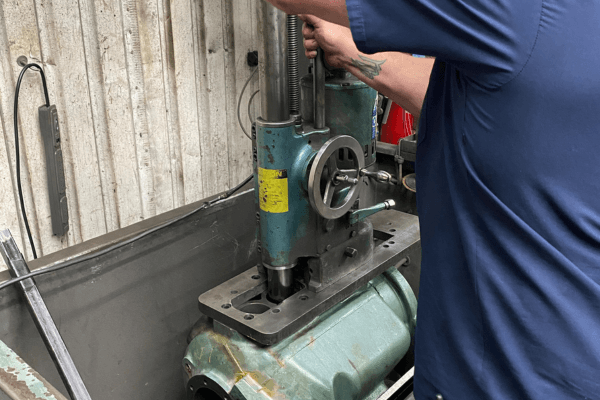
Whether you are installing a remanufactured Carrier 06E in a commercial HVAC system or a Copeland 3D in a commercial refrigeration rack, the system must be clean, dry, and stable before startup.
Few things frustrate HVAC and refrigeration professionals more than a compressor that fails shortly after replacement. Repeat compressor failures are costly, disruptive, and damaging to trust between contractors, facility managers, and equipment suppliers. In many cases, the compressor itself is not the problem. The real issue lies in system conditions that were never fully corrected after the original failure.
Whether you are installing a remanufactured Carrier 06E in a commercial chiller or replacing a Copeland 3D compressor in a supermarket rack system, the steps taken before installation determine whether the compressor delivers years of service or fails prematurely.
This blog post breaks down the most common causes of repeat compressor failures and explains how to prevent them before installation, especially when working with remanufactured commercial HVAC and refrigeration compressors.
Why Repeat Compressor Failures Happen So Often
When a compressor fails, the failure rarely exists in isolation. Internal damage, oil breakdown, acid formation, and debris are usually present elsewhere in the system. Installing a replacement compressor into a contaminated or unstable system exposes it to the same conditions that caused the original failure.
Repeat failures typically occur within weeks or months when one or more of the following issues are overlooked:
- Acid and moisture left in the system
- Inadequate evacuation and dehydration
- Improper oil selection or contaminated oil
- Incorrect filter drier strategy
- Electrical or airflow issues that were never corrected
Even a properly remanufactured compressor built to OEM standards cannot survive in a compromised system.
Acid Contamination Is the Leading Cause of Repeat Failures
How Acid Forms in HVAC/R Systems
Acid forms when refrigerant, oil, heat, and moisture interact. Electrical burnouts accelerate this process, but acid can also develop from long-term overheating, poor evacuation, or repeated moisture intrusion.
Once acid is present, it attacks motor windings, bearings, valve plates, and insulation. If not removed, it quickly destroys replacement compressors.
This is especially common in larger commercial systems using compressors like:
- Carrier 06D and 06E semi-hermetic compressors
- Copeland 3D, 4D, and similar semi-hermetic models
These compressors operate under high load and long run cycles, which increases the impact of contamination.
Preventing Acid-Related Repeat Failures
Before installing a remanufactured compressor, always perform acid testing on the system oil. Acid test kits are inexpensive and provide critical information about system conditions.
If acid is detected, corrective steps must be taken before installation. These may include oil replacement, additional filtration, and system cleanup. Installing a compressor without addressing acid contamination is one of the most common reasons warranties are denied, and compressors fail early.
Moisture and Poor Evacuation Destroy Compressors Quietly
Why Moisture Is So Dangerous for Commercial HVAC/R Compressors
Moisture is one of the most underestimated threats to compressor longevity. It contributes directly to acid formation, oil breakdown, corrosion, and insulation failure.
Large commercial HVAC and refrigeration systems contain extensive piping and components that trap moisture easily. Shallow evacuation leaves water vapor behind, even when pressure readings appear acceptable.
Proper Evacuation Targets Matter
Best practice for commercial systems is to evacuate to 500 microns or lower, then isolate and verify that the system holds below 1,000 microns. Rapid pressure rise indicates remaining moisture or leaks.
Triple evacuation with dry nitrogen between pulls is strongly recommended for systems that experienced burnouts or heavy contamination.
Skipping proper evacuation is a common cause of repeat failures in both Carrier and Copeland compressors.
Filter Drier Strategy Plays a Critical Role
Liquid Line Driers Are Not Optional
Any compressor replacement requires a new liquid line filter-drier. This protects the expansion device and absorbs residual moisture left in the system.
For contaminated systems, high-capacity liquid line driers should be used.
Suction Line Driers After Burnouts
After electrical burnouts or severe contamination, suction line filter driers are often necessary. These driers trap acid and debris before they reach the compressor.
However, suction line driers should be temporary. Leaving them in place long-term can restrict oil return and reduce system efficiency, especially in larger systems using Carrier 06E or Copeland semi-hermetic compressors.
A proper strategy includes installing suction line driers during cleanup, monitoring pressure drop, and removing them once the system stabilizes.
Oil Problems Are Often Overlooked
Contaminated Oil Carries Failure Forward
Oil from a failed compressor is often contaminated with acid, metal particles, and carbon. Reusing contaminated oil introduces these problems directly into the replacement compressor.
In commercial HVAC and refrigeration systems, oil condition is just as important as refrigerant selection.
Oil Compatibility Must Be Verified for Commercial HVAC/R Compressors
Compressors Unlimited typically ships remanufactured compressors with mineral oil or POE oil, based on the known application for the compressor model. In some cases, compressors are shipped without an oil charge because oil is drained after testing.
The contractor is responsible for confirming refrigerant selection and ensuring oil compatibility. Incorrect oil choice can cause lubrication failure, overheating, and rapid wear.
Oil compatibility issues are a frequent cause of repeat failures in retrofit applications where refrigerants have changed.
Electrical and System Issues Must Be Corrected First
Electrical Problems Kill HVAC/R Compressors Quickly
Electrical issues such as voltage imbalance, undersized conductors, or faulty contactors often contribute to the original failure. Installing a new or remanufactured compressor without correcting these problems will lead to rapid, repeated failure.
Semi-hermetic compressors like the Carrier 06D, 06E, and Copeland 3D series are especially sensitive to voltage imbalance and phase issues.
Airflow and Load Problems Also Matter
High head pressure caused by dirty condensers, blocked airflow, or improper fan operation increases compressor stress. These issues must be corrected before installation.
A compressor replacement should always include a system evaluation, not just a component swap.
Why Remanufactured Compressors Are Not the Problem
When repeat failures occur, remanufactured compressors are often blamed unfairly. In reality, reputable remanufacturers rebuild compressors to OEM performance standards through complete teardown, machining, replacement of wear components, and pressure testing.
Compressors Unlimited remanufactures commercial HVAC and refrigeration compressors including:
- Carrier 06D and 06E series
- Copeland semi-hermetic compressors such as the 3D series
- Other commercial and industrial models such as York, Trane, and Bitzer
When these compressors fail prematurely, the root cause is almost always system-related, not the compressor itself.
A Real-World Example of Repeat Failure Prevention
A grocery distribution facility experienced two compressor failures within six months on a Copeland 3D rack system. The first replacement was installed quickly with minimal cleanup. Acid testing was skipped and evacuation was rushed.
Before installing the second replacement, the contractor performed acid testing, installed suction line driers, flushed contaminated oil, and evacuated the system to proper micron levels.
The remanufactured Copeland compressor installed afterward has been operating reliably for years.
The difference was not the compressor. It was the preparation.
Key Steps to Prevent Repeat Failures Before Installation
To reduce the risk of repeat compressor failures, always complete the following steps before installation:
- Identify the root cause of the original failure
- Perform acid testing on the system oil
- Replace contaminated oil and clean the system as needed
- Use the correct filter drier strategy
- Evacuate to proper micron targets and verify stability
- Correct electrical and airflow issues
- Confirm oil and refrigerant compatibility
These steps protect the compressor and the system.
Final Perspective for HVAC and Refrigeration Professionals
Repeat compressor failures are almost never caused by bad luck. They are caused by incomplete preparation.
Whether you are installing a remanufactured Carrier 06E in a commercial HVAC system or a Copeland 3D in a commercial refrigeration rack, the system must be clean, dry, and stable before startup.
At Compressors Unlimited, we remanufacture commercial HVAC and refrigeration compressors to OEM standards and back every unit with a limited warranty. Proper system preparation ensures that the investment delivers long-term performance instead of another failure.
If you have questions about system cleanup, oil selection, or installation preparation for your specific compressor model, our team is available to help before installation begins.