
Compressor Overheating in Commercial HVAC: Causes, Risks & Solutions
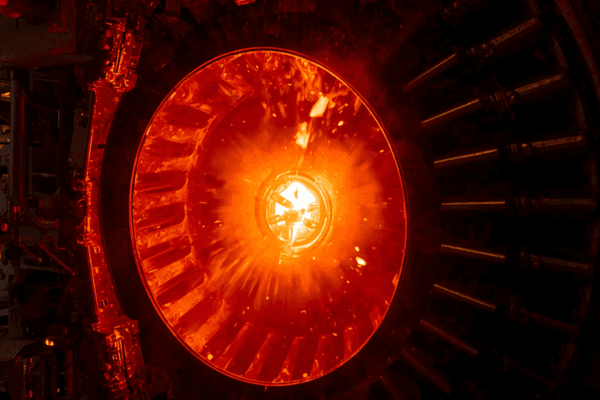
A hot compressor, often indicated by high discharge temperatures or an overheated compressor shell, is a frequent yet commonly misinterpreted warning sign in commercial HVAC and refrigeration systems. While many technicians immediately suspect the unit is failing, an overheating compressor is typically a symptom rather than the root cause, indicating a larger issue within the system.
If left unresolved, overheating leads to oil breakdown, loss of lubrication, electrical damage, and eventually complete compressor failure.
Understanding what causes a compressor to run hot and how to correct it early can prevent costly downtime, especially in systems using Carrier 06D, Carrier 06E, and Copeland 3D semi-hermetic compressors.
What Does It Mean When a Compressor Runs Hot
A compressor runs hot when internal or discharge temperatures exceed normal operating ranges. While all compressors generate heat during compression, excessive heat indicates the system is not operating correctly.
Common signs include:
- High discharge line temperature
- Compressor housing is excessively hot to the touch
- Frequent thermal overload trips
- Oil breakdown or discoloration
- Reduced cooling performance
These symptoms should never be ignored. Heat is one of the fastest ways to damage a compressor.
Why Overheating Is So Dangerous
Heat affects every critical component inside a compressor.
Oil Breakdown
Compressor oil is designed to lubricate internal parts and carry heat away from moving components. When temperatures rise too high:
- Oil loses viscosity
- Lubrication decreases
- Internal friction increases
This creates a cycle where more heat leads to more damage.
Acid Formation
High temperatures accelerate chemical reactions between oil, refrigerant, and moisture. This leads to acid formation, which attacks:
- Motor windings
- Bearings
- Internal metal surfaces
Acid is a leading cause of compressor failure, especially after prolonged overheating.
Electrical Damage
Motor windings are insulated to handle specific temperature ranges. Excessive heat breaks down this insulation over time, eventually leading to electrical failure or burnout.
Common Causes of Compressor Overheating
Overheating rarely has a single cause. It is usually the result of a system imbalance or improper operating conditions.
1. High Head Pressure
High head pressure is one of the most frequent causes of overheating.
Causes include:
- Dirty condenser coils
- Blocked airflow
- Failed condenser fans
- Non-condensable gases in the system
When head pressure rises, the compressor must work harder to compress refrigerant, which increases internal temperature.
2. Low Suction Pressure
Low suction pressure reduces the amount of refrigerant returning to the compressor.
This leads to:
- Reduced cooling of the motor
- Higher discharge temperatures
- Increased stress on internal components
Low suction pressure may be caused by:
- Refrigerant undercharge
- Restricted expansion valves
- Evaporator airflow problems
3. Refrigerant Charge Issues
Both overcharging and undercharging can contribute to overheating.
- Overcharged systems increase head pressure
- Undercharged systems reduce cooling capacity
Either condition forces the compressor to operate outside its optimal range.
4. Poor Oil Circulation
Oil is critical for both lubrication and heat transfer.
Problems with oil return can lead to:
- Increased internal friction
- Elevated temperatures
- Bearing wear
This is especially important in large commercial systems using Carrier 06E or Copeland 3D compressors, where oil must travel long distances through the system.
5. Floodback and Liquid Issues
While liquid refrigerant returning to the compressor may seem like it would cool the system, it actually causes serious problems.
Floodback can:
- Dilute oil
- Reduce lubrication
- Lead to mechanical damage
Over time, this contributes to overheating and failure.
6. Electrical Problems
Electrical issues can also cause compressors to run hot.
Common problems include:
- Voltage imbalance
- Low voltage conditions
- Loose connections
- Failing contactors
These issues increase amperage draw, which generates additional heat inside the motor.
7. Inadequate System Cooling
Compressors rely on proper airflow and system conditions to dissipate heat.
If the surrounding environment is too hot or airflow is restricted, heat cannot escape efficiently.
This is common in:
- Poorly ventilated mechanical rooms
- Rooftop units with blocked airflow
- Systems operating in extreme ambient conditions
How Overheating Leads to Compressor Failure
Overheating does not usually cause immediate failure. It creates a gradual breakdown of internal components.
Stage 1: Elevated Operating Temperatures
The compressor runs hotter than normal but continues operating.
Stage 2: Oil Degradation
Oil begins to lose effectiveness, increasing internal wear.
Stage 3: Acid Formation
Chemical reactions produce acid, which damages internal surfaces and electrical insulation.
Stage 4: Electrical or Mechanical Failure
Eventually, the compressor fails due to:
- Burned windings
- Seized bearings
- Valve damage
By the time failure occurs, the damage has been building for an extended period.
How to Fix an Overheating Compressor
Correcting overheating requires identifying and fixing the root cause.
Step 1: Check Condenser Performance
- Clean condenser coils
- Verify fan operation
- Ensure proper airflow
This is often the simplest and most effective fix.
Step 2: Verify Refrigerant Charge
- Measure system pressures
- Adjust charge as needed
- Check for leaks
Proper charge is essential for stable operation.
Step 3: Evaluate Suction Conditions
- Inspect evaporator coils
- Verify airflow
- Check expansion devices
Ensuring proper refrigerant flow helps regulate temperature.
Step 4: Inspect Oil System
- Check oil level
- Evaluate oil return
- Replace contaminated oil
If the system has experienced prior failure, the oil condition should be carefully evaluated.
Step 5: Test Electrical Components
- Measure voltage balance
- Inspect wiring connections
- Replace worn contactors
Electrical stability reduces heat generation.
When Overheating Means Replacement Is Necessary
If overheating has already caused internal damage, replacement may be required.
Signs include:
- Repeated overload trips
- Burned oil
- Grounded windings
- Mechanical noise or lockup
In these cases, a remanufactured compressor provides a reliable and cost-effective solution.
Compressors Unlimited offers remanufactured compressors for:
- Carrier 06D and 06E
- Copeland 3D semi-hermetic systems
These units are rebuilt to OEM standards and tested for performance.
Case Study: Resolving Overheating on Carrier 06E Compressor
A commercial warehouse experienced repeated overheating issues on a Carrier 06E compressor.
Investigation revealed:
- Dirty condenser coils
- Reduced airflow due to debris
- Slight refrigerant overcharge
After cleaning the coils and correcting the charge, system temperatures returned to normal, and the compressor continued operating reliably.
The compressor was not failing. The system conditions were.
Common Questions About Compressor Overheating
Why is my compressor running hot?
Common causes include high head pressure, low suction pressure, poor airflow, refrigerant issues, and electrical problems.
Is it bad for a compressor to run hot?
Yes. Overheating leads to oil breakdown, acid formation, and eventual failure.
How do I cool down an overheating compressor?
Fix the underlying issue. This may involve cleaning coils, adjusting charge, improving airflow, or correcting electrical problems.
Final Perspective for HVAC and Refrigeration Contractors
A compressor running hot is not just a symptom. It is a warning.
Ignoring it leads to system inefficiency, increased energy costs, and eventual failure. Addressing it early protects the compressor and extends system life.
Whether you are working on a Carrier 06E rooftop system or a Copeland 3D refrigeration rack, understanding the causes of overheating helps you make better decisions in the field.
At Compressors Unlimited, we support contractors with remanufactured commercial compressors built to OEM standards and the technical knowledge needed to diagnose system issues correctly.