
Comprehensive Guide to Remanufactured Carrier and Carlyle Compressors for Commercial HVAC/R Systems
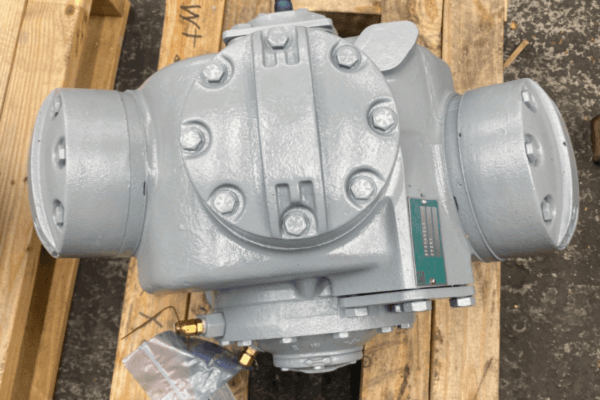
Looking for cost-effective HVAC compressor replacement solutions? They can guide you on remanufactured units that save money and ensure reliable performance.
Remanufactured compressors contribute materially to the operational efficiency and reliability of commercial HVAC/R systems. Specifically, remanufactured Carrier and Carlyle units provide a cost-effective and environmentally preferable alternative to new equipment. This guide outlines the advantages of remanufactured units, the quality assurance processes that govern their restoration, and the applications that derive the greatest operational benefit. Facility managers will find the information useful for optimizing system performance while controlling lifecycle costs.
This blog post addresses the remanufacturing workflow, warranty provisions, typical applications, compatibility considerations, and the testing protocols that verify performance. It also presents practical strategies to limit downtime. The objective is to provide stakeholders with the technical context required to make informed procurement and maintenance decisions regarding remanufactured Carlyle and Carrier compressors.
What Are Remanufactured Carrier and Carlyle Compressors and Their Benefits?
Remanufactured Carrier and Carlyle compressors are previously used units that have been restored to like-new condition and certified to meet defined performance criteria. Restoration includes replacement of worn components with new or OEM-equivalent parts and systematic functional verification. Principal benefits include substantial capital cost savings and a reduced environmental impact through reuse of core hardware.
Operationally, remanufactured compressors are rebuilt to perform comparably to new models while avoiding large upfront expenditures. Facility managers can expect dependable performance and extended service life when units have been inspected and remanufactured according to documented procedures and manufacturer specifications.
How Does the Remanufacturing Process Ensure Quality and Reliability?
The remanufacturing workflow enforces quality and reliability through comprehensive inspections and component-level assessment. Each unit is disassembled, individual parts are evaluated against tolerance and wear criteria, and components that fail to meet manufacturer specifications are replaced or reconditioned.
Integration of new parts with remanufactured components is followed by staged testing aligned to industry standards. These quality control measures support predictable field performance and allow procurement teams to deploy remanufactured units with confidence regarding durability and operational integrity.
Why Choose Remanufactured Compressors Over New Units for Commercial HVAC/R?
Selecting remanufactured compressors offers several practical advantages for commercial operations.
- Cost Effectiveness: Remanufactured units are priced significantly lower than new compressors, providing an immediate financial advantage without compromising quality.
- Sustainability: Remanufacturing reduces waste and the environmental impact of manufacturing new units, aligning with growing sustainability goals within the industry.
- Proven Performance: Many remanufactured models have a track record of reliability, as they often perform comparably to new models during early service periods.
- Warranty Assurance: Most remanufactured compressors come with warranties similar to new units, providing peace of mind and protection for the investment.
Collectively, these factors make remanufactured compressors a practical solution for organizations seeking to balance capital constraints with long-term operational reliability and reduced environmental impact.
Which Commercial HVAC/R Applications Benefit Most from Carrier and Carlyle Remanufactured Compressors?
Remanufactured Carrier and Carlyle compressors are suitable for a range of commercial applications requiring reliable temperature control and energy performance.
- Commercial Buildings: These compressors offer robust performance necessary for heating and cooling in office buildings and retail spaces.
- Industrial Facilities: Robust HVAC/R solutions are critical in industrial settings, where operational reliability directly impacts productivity.
- Educational Institutions: Schools and universities benefit from efficient heating and cooling systems, making energy efficiency a priority.
These use cases demonstrate the adaptability of remanufactured compressors to meet varied load profiles and operational schedules across sectors.
How Do Remanufactured Compressors Support Commercial Refrigeration Efficiency?
Remanufactured compressors contribute to refrigeration efficiency by incorporating modern component designs and calibrated assemblies that reduce energy consumption. Improved mechanical condition and verified performance can yield measurable reductions in operating costs.
In addition to energy savings, remanufactured units support environmental objectives by lowering greenhouse gas emissions associated with energy use and by extending the service life of existing hardware. Consistent temperature control also protects perishable inventory and maintains product quality in food service and retail applications.
What Are the Key Compatibility Factors with Existing HVAC/R System Models?
Compatibility is a critical factor when integrating remanufactured compressors into an existing system. Key considerations include accurate matching of mechanical and electrical specifications, service clearances, and refrigerant compatibility.
- Model Specifications: Understanding the specific model of the current system is essential, as remanufactured compressors must align with existing setup requirements.
- Installation Requirements: Remanufactured units may have varying installation protocols, necessitating careful planning to ensure seamless integration.
- Performance Modifications: Depending on the age of the existing system, some modifications may be necessary to facilitate effective operation with the new compressor.
Thorough evaluation of these factors during the procurement and planning stages reduces the risk of installation complications and unexpected retrofit costs.
What Are the Warranty and Quality Assurance Features of Remanufactured Carrier and Carlyle Compressors?
Most remanufactured Carrier and Carlyle compressors are offered with warranties that reflect manufacturer confidence in the restoration process. Typical coverage includes a limited warranty against manufacturing defects for up to 1 year, with an optional extended warranty to extend coverage for air conditioning compressors to up to 5 years, depending on the supplier and the scope of remanufactured products.
Quality assurance for remanufactured units encompasses documented testing and verification of key performance indicators. These metrics enable purchasers to assess reliability and expected service life prior to installation, reinforcing the commercial case for remanufactured equipment.
How Do Warranty Terms Compare Between Remanufactured and New Compressors?
Warranty terms for remanufactured compressors are frequently comparable to those for new units, with both offering coverage for manufacturing defects, parts guarantees, and optional extended service agreements. Specific terms and exclusions vary by manufacturer and supplier and should be reviewed carefully.
Given the extensive remanufacturing and testing procedures applied to remanufactured units, organizations can often obtain a similar level of assurance as with new equipment, provided the warranty details and service provisions meet operational requirements.
What Testing Protocols Guarantee Compressor Performance Before Delivery?
Remanufactured compressors are subject to a suite of pre-delivery tests designed to validate functionality and reliability. Common protocols include leak detection, performance benchmarking for capacity and efficiency, and operational simulations under representative load conditions.
Adherence to these testing standards ensures that remanufactured units meet or exceed applicable industry benchmarks, thereby reducing the likelihood of field failures after installation.
How Can Facility Managers Minimize HVAC/R Compressor Downtime Using Remanufactured Units?
Facility managers can reduce compressor-related downtime through a combination of inventory planning, preventive maintenance, and staff training.
- Rapid Availability: Having remanufactured units readily available ensures prompt replacement in the event of a unit failure.
- Scheduled Maintenance: Proactive maintenance schedules can extend compressor life cycles, decreasing the frequency of replacements.
- Training Staff: Equipping staff with the knowledge to diagnose issues early can lead to faster resolution and less system downtime.
Implementing these measures in concert with access to remanufactured spares enhances operational resilience and reduces the impact of unplanned outages.
What Are the Cost and Environmental Benefits of Using Remanufactured Commercial Refrigeration Compressors?
Remanufactured commercial refrigeration compressors deliver both immediate cost reductions and longer-term environmental advantages.
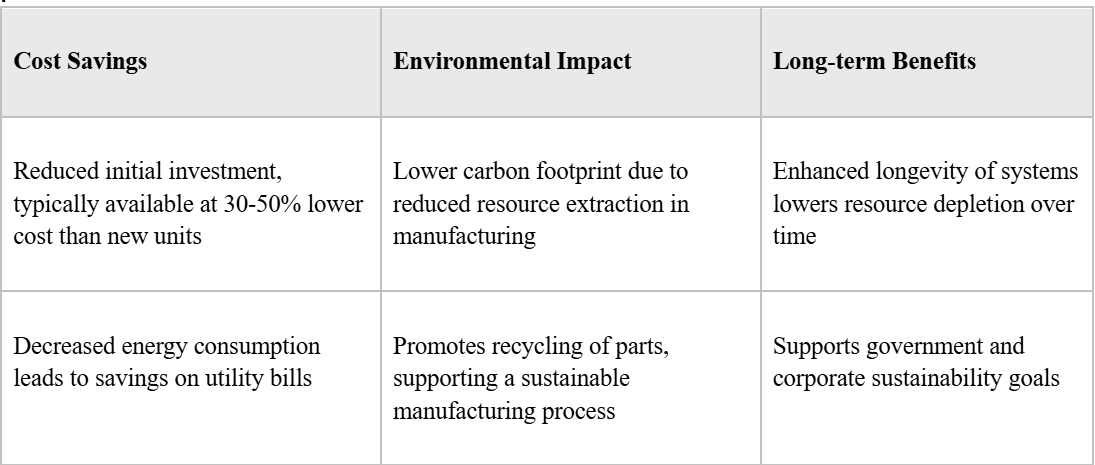
These combined benefits demonstrate that remanufactured compressors represent a fiscally prudent and environmentally responsible choice for commercial refrigeration systems.
Which Spare Parts and Accessories Are Compatible with Carrier and Carlyle Remanufactured Compressors?
Compatibility of spare parts and accessories is essential to maintain the performance and reliability of remanufactured Carrier and Carlyle compressors. Key considerations include adherence to original equipment specifications and confirmation of mechanical and electrical fit.
- Remanufactured Components: Replacement parts must meet the same specifications as those initially installed in the unit to ensure performance.
- Compressor Parts: Essential components like gaskets, seals, and electrical connections must match the original configuration for optimal operation.
- Performance Accessories: Items such as advanced controls and monitoring systems can significantly enhance the functionality of remanufactured units.
Factoring these compatibility requirements into procurement and installation planning helps ensure a smooth integration and sustained operational performance.
Frequently Asked Questions
How do remanufactured compressors contribute to energy efficiency in commercial settings?
Remanufactured compressors improve energy efficiency by incorporating verified components and calibrated assemblies designed to minimize power draw. When specified and installed correctly, these units reduce electricity consumption and associated operating costs while decreasing mechanical stress on the overall HVAC/R system, which supports longer service intervals.
Are there specific brands or manufacturers known for quality remanufactured compressors?
Prominent manufacturers, including Carrier and Carlyle, have established remanufacturing programs with documented processes for remanufacturing, testing, and warranty support. Other reputable suppliers also exist; selection should be based on certification, warranty terms, and demonstrable testing protocols, like what Compressors Unlimited has established.
What factors should be considered when choosing between remanufactured and new compressors?
Decision factors include upfront cost, warranty coverage, verified energy performance, expected service life, technical support availability, and system compatibility. Evaluate the specific operational requirements and total cost of ownership to determine whether a remanufactured unit meets technical and financial objectives.
What are the common maintenance practices for remanufactured compressors?
Routine maintenance for remanufactured compressors follows established HVAC/R best practices: inspect for leaks, verify refrigerant charge, confirm secure electrical connections, and clean coils and filters. Maintaining detailed service records supports predictive maintenance and helps identify performance trends.
How does the price of remanufactured compressors compare to new units?
Remanufactured compressors are typically 30% to 50% less costly than new units, providing meaningful capital savings. It is important to consider customer support and the supplier's quality assurance procedures when assessing overall value.
What certifications should one look for when purchasing remanufactured compressors?
Look for evidence of compliance with recognized industry standards and quality systems, such as ISO references or applicable ASHRAE guidelines. Verify warranty coverage, testing documentation, and vendor references to ensure the remanufactured compressors meet operational and regulatory expectations.
HVAC/R Commercial Carrier and Carlyle Compressors
Investing in remanufactured Carrier and Carlyle compressors not only enhances operational efficiency but also aligns with sustainability goals, offering significant cost savings. Their reliable performance, coupled with comprehensive quality assurance, allows facility managers to optimize HVAC/R systems effectively. To explore our extensive range of remanufactured options and make an informed choice, visit our product catalog today. Choose remanufactured compressors for a smart, environmentally responsible solution to your commercial HVAC/R needs.