
The Truth About Remanufactured vs. Rebuilt Compressors:What Every HVAC Professional Should Know
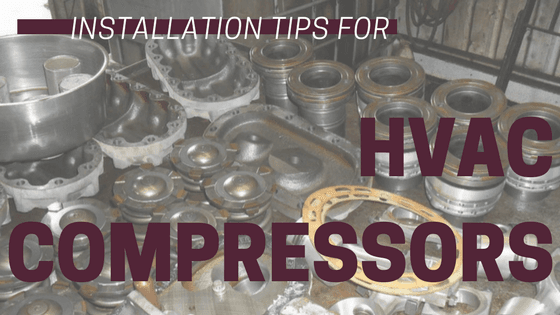
A rebuilt compressor may get a system running again, but it often lacks the durability of a properly remanufactured one. In contrast, a remanufactured compressor is restored to meet or exceed OEM standards, pressure-tested under load, and warranted for performance.
For commercial HVAC professionals, compressors are the heartbeat of every cooling system. When one fails, the decision comes quickly: Should you replace it with a remanufactured compressor or a rebuilt one?
While the two terms sound similar, they represent very different levels of quality, precision, and reliability. Confusing them can lead to performance issues, warranty headaches, and costly callbacks.
This guide breaks down what sets remanufactured commercial compressors apart from rebuilt units, explains the processes behind each, and shows why HVAC technicians and contractors who understand the difference deliver better results for their clients and their businesses.
Why It’s Important to Know the Difference
When you’re in the field, speed matters. But so does quality. Installing the wrong type of replacement compressor can undermine your reputation and cause unnecessary future repairs.
A rebuilt compressor may get a system running again, but it often lacks the durability of a properly remanufactured one. In contrast, a remanufactured compressor is restored to meet or exceed OEM standards, pressure-tested under load, and warranted for performance.
In short, HVAC professionals who understand this difference make smarter purchasing decisions and protect their long-term credibility.
What Is a Rebuilt Commercial HVAC Compressor?
A rebuilt compressor is typically a used unit that has been repaired just enough to operate again. The process varies widely depending on the rebuilder’s standards.
Typical steps include:
- Replacing only visibly damaged parts
- Cleaning and repainting exterior components
- Reassembling and performing basic operational tests
While that might sound adequate, it’s rarely enough to ensure OEM-level performance. Critical internal parts like pistons, bearings, and valve plates may remain untouched. As a result, rebuilt compressors often perform inconsistently and have shorter lifespans.
For technicians, that inconsistency can mean callbacks, dissatisfied customers, and the loss of future business.
What Is a Remanufactured Commercial HVAC Compressor?
A remanufactured compressor, on the other hand, undergoes a comprehensive restoration process designed to match or exceed OEM performance. It’s not just a repair, it’s a complete rebuild with precision standards.
Here’s what happens during remanufacturing at Compressors Unlimited:
- Complete Disassembly: Every compressor is torn down and inspected for wear, corrosion, and contamination.
- Thorough Cleaning: Internal and external components are cleaned with industrial-grade solvents, media blasting, or other combinations of cleaning options.
- Critical Re-Machining: Cylinder heads, valve plates, and bearing surfaces are re-machined to precise OEM tolerances.
- Replacement of Wear Components: New bearings, seals, valves, gaskets, and piston rings are installed.
- Motor and Electrical Testing: Stators and rotors are tested and rewound if necessary.
- Pressure and Load Testing: Each compressor is tested to ensure performance and leak integrity.
- Painting and Packaging: The unit is finished, labeled, and prepared for installation like a new OEM product.
Every remanufactured commercial HVAC compressor from Compressors Unlimited ships with a limited warranty and is configured for the refrigerant and oil type specified by the technician.
Side-by-Side Comparison
For professionals, that difference translates directly into reliability, confidence, and fewer repeat service calls.
How Quality Control Protects Your Work
Remanufactured compressors undergo extensive quality control to ensure consistency and performance. Each unit is tested, meaning technicians can install it knowing pressures, oil flow, and electrical integrity have already been verified.
At Compressors Unlimited, every compressor is matched to your refrigerant and oil requirements. Because contractors determine the refrigerant used in each job, this step ensures compatibility and prevents issues like improper lubrication or chemical breakdown.
This level of attention to detail is what separates a dependable remanufactured compressor from a basic rebuild.
Why Rebuilt Compressors Fail So Often
Many rebuilt compressors fail prematurely because shortcuts are taken during the rebuild process. Common issues include:
- Bearings or valves that were never replaced
- Contamination from a previous system failure
- Improper oil or refrigerant use
- Incorrect clearances or pressure settings
These oversights lead to reduced efficiency, overheating, or complete failure within months of installation. For commercial HVAC professionals, that can mean emergency service calls and warranty disputes that cost time and money.
How Remanufactured Compressors Save Contractors Money
Choosing a remanufactured compressor may cost slightly more upfront than a basic rebuild, but the long-term value is far greater.
- Lower total cost of ownership: Longer lifespan and fewer repairs mean more profit per job.
- Faster availability: Remanufactured units are often in stock or can be shipped quickly, unlike OEMs with long lead times.
- Reliable performance: Each unit is tested for capacity, amperage, and pressure before shipping.
- Warranty coverage: Every Compressors Unlimited unit is backed by a limited warranty for peace of mind.
In short, remanufactured compressors provide consistent results that protect your reputation and your customers’ trust.
Environmental and Regulatory Benefits
Remanufacturing doesn’t just make financial sense; it supports sustainability goals that are becoming more important throughout the HVAC industry.
- Reduced waste: Core components are reused rather than scrapped.
- Lower carbon footprint: Remanufacturing consumes less energy than producing a new compressor.
- Regulatory compliance: Units can be configured for low-GWP refrigerants such as R-407C, R-448A, and R-449A, helping meet EPA and F-Gas standards.
Technicians who promote sustainable solutions demonstrate forward thinking and align their businesses with future industry requirements.
Frequently Asked Questions
Are remanufactured compressors as reliable as new ones?
Yes. When rebuilt by a reputable remanufacturer, they meet or exceed OEM standards for pressure, capacity, and efficiency.
Can remanufactured compressors run on new refrigerants?
Absolutely. When we are provided the information in advance, Compressors Unlimited configures each compressor to your refrigerant and oil specifications to ensure full compatibility.
What’s the average lifespan difference between rebuilt and remanufactured compressors?
A remanufactured compressor can last as long as a new OEM unit, while a rebuilt one typically fails much sooner because not all parts are replaced or recalibrated.
Do remanufactured compressors reduce project lead times?
Yes. Many models are stocked and ready to ship, while OEM lead times can extend several days, weeks, or months.
The Bottom Line for HVAC Professionals
For contractors and technicians who take pride in their work, understanding the difference between rebuilt and remanufactured compressors is crucial. A rebuilt unit may seem like a quick fix, but it often leads to early failure and lost customer trust.
A remanufactured compressor, on the other hand, offers reliability, efficiency, and long-term value. It helps you deliver quality installations, minimize callbacks, and build stronger client relationships.
At Compressors Unlimited, every compressor is remanufactured with precision, tested, and backed by a limited warranty. Whether you service commercial HVAC systems or large industrial chillers, you can count on our compressors to perform exactly as expected, right out of the box.
If you’re ready to upgrade your next replacement compressor, contact Compressors Unlimited today. Our experts will help you identify the correct model, confirm refrigerant compatibility, and ship the right solution quickly so you can get your customer’s system running without delay.