
The HVAC/R industry is in the middle of one of the biggest transitions in decades. The Environmental Protection Agency (EPA) is phasing down high-GWP (Global Warming Potential) refrigerants under the American Innovation and Manufacturing (AIM) Act, and that’s reshaping how contractors and facility managers approach compressor replacements.
For businesses operating chillers, walk-in freezers, or large commercial systems, understanding the refrigerant landscape isn’t optional anymore. It directly affects which compressors can be purchased, which refrigerants can be used, and how existing systems should be maintained or upgraded.
This guide breaks down what’s changing, how those changes affect your compressor decisions, and why remanufactured units are helping facilities stay compliant and cost-effective during the transition.
The EPA’s Plan to Phase Down HFC Refrigerants
The AIM Act of 2020 mandates a nationwide reduction in hydrofluorocarbon (HFC) production and consumption by 85 percent by 2036. These refrigerants, such as R-404A, R-407A, R-22 and R-134a, have been used for years in commercial refrigeration and air conditioning but have high GWPs that contribute to climate change.
Beginning in 2025, many HVAC/R manufacturers can no longer produce or import new equipment using high-GWP refrigerants. This phaseout is being rolled out in stages to allow contractors and facility operators to adapt.
What This Means for Existing Commercial Systems
If your system still uses R-22, R-404A, R-407 or R-134a, you aren’t required to replace it immediately, but refrigerant availability and cost will continue to tighten. Replacement compressors compatible with those refrigerants are becoming harder to find, and recharging costs are rising as supplies dwindle.
For many facilities, that means one of three options:
- Convert existing systems to a lower-GWP refrigerant.
- Replace old compressors with units configured for new refrigerants.
- Invest in remanufactured compressors built to match your system’s capacity and updated refrigerant requirements.
How Compressor Manufacturers Are Responding
Leading compressor brands, including Carrier, Copeland, and Bitzer, are releasing new models compatible with next-generation refrigerants like:
- R-32 – Lower GWP and high efficiency.
- R-448A and R-449A – Drop-in alternatives for R-404A.
- R-513A – A replacement for R-134a.
- R-454B and R-454C – Designed for newer systems requiring very low GWP ratings.
These refrigerants often operate at slightly different pressures and temperatures, which means compressor design, oil type, and seals must be compatible.
However, new OEM models using these refrigerants often have long lead times and higher prices. That’s one reason remanufactured compressors have become a reliable, faster solution during this transition.
Why Remanufactured Compressors Are an Advantage
Remanufactured compressors bridge the gap between regulatory compliance, cost control, and system continuity.
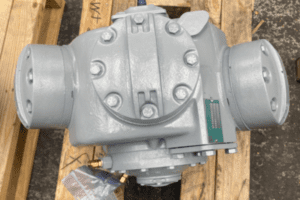
At Compressors Unlimited, each remanufactured compressor undergoes:
- Full teardown and cleaning.
- Replacement of all worn parts, gaskets, and seals.
- Re-machining of key components to meet or exceed OEM tolerances.
- Pressure and electrical testing.
- Configuration for refrigerant and oil compatibility (when this information is provided by the customer)
That means you can keep your existing system in service while ensuring it meets today’s refrigerant and efficiency standards.
The Financial Impact of Refrigerant Phaseouts
1. Rising Refrigerant Costs
As the EPA restricts production, refrigerant pricing has surged. For example, R-22 has seen price increases of more than 400% since its phaseout began. The same trend is expected for R-404A and other high-GWP blends.
2. Cost of New Equipment
Replacing an entire system to accommodate low-GWP refrigerants can require new piping, controls, and heat exchangers, often a six-figure investment.
3. Downtime and Delays
Many OEMs face supply chain backlogs, extending lead times for new compressors and components. Remanufactured compressors, however, are typically available faster and at a fraction of the cost.
Refrigerant Conversion Best Practices
When transitioning to new refrigerants, technicians must consider more than just chemical compatibility.
- Oil Compatibility: Ensure the new refrigerant works with your system’s lubricant. Compressors Unlimited typically ships units with mineral oil or POE oil based on application needs. Contractors verify the refrigerant-oil match during installation.
- System Cleaning: Remove old oil and contaminants before conversion to prevent breakdown.
- Component Checks: Verify expansion valves, dryers, and seals can handle new refrigerant pressures.
- Documentation: Keep records of conversions and label the system with the new refrigerant type for compliance.
Environmental and Compliance Benefits
Remanufactured compressors don’t just help maintain system performance; they also support environmental goals.
- Reduced carbon footprint: Reusing core components saves materials and manufacturing energy.
- Lower emissions: Modern refrigerants reduce system GWP and improve efficiency.
- Regulatory compliance: Meets EPA Section 608 and AIM Act requirements for refrigerant handling.
Real-World Example: Upgrading a Cold Storage Facility
A cold storage company running multiple R-404A rack systems faced high service costs and refrigerant supply issues. Instead of replacing the entire system, the facility manager partnered with Compressors Unlimited to remanufacture existing compressors for R-448A, a compliant, low-GWP refrigerant.
The result:
- 35 percent reduction in refrigerant expense.
- Improved system efficiency.
- No disruption to daily operations.
This case demonstrates how remanufactured compressors extend equipment life while meeting environmental standards.
Important HVAC/R Commercial Compressor Questions
Q1: Do I need to replace my entire HVAC/R system because of new refrigerant rules?
No. In many cases, remanufactured compressors and minor component adjustments allow you to transition to approved refrigerants without a full system replacement.
Q2: Which refrigerants are being phased out?
The EPA is phasing down high-GWP refrigerants such as R-404A, R-134a, and R-407A. These will be replaced by low-GWP alternatives like R-448A and R-513A.
Q3: Are remanufactured compressors compliant with new refrigerant standards?
Yes. Reputable remanufacturers configure compressors to match low-GWP refrigerant and oil requirements for full compliance.
Q4: How can I stay ahead of refrigerant regulations?
Work with a supplier who understands refrigerant compatibility and offers compressors ready for future-approved refrigerants.
Key Takeaway for Contractors and Facility Managers
Refrigerant phaseouts aren’t just a regulatory challenge; they’re an opportunity to modernize your systems intelligently. By choosing remanufactured compressors, you can:
- Maintain performance and reliability.
- Transition to compliant refrigerants.
- Avoid long lead times and costly replacements.
At Compressors Unlimited, every unit is engineered for refrigerant compatibility and backed by a limited warranty against manufacturing defects. Our experts help you identify compliant solutions that keep your operations running efficiently while meeting environmental standards.