
How Refrigerant Regulations Are Changing the Commercial HVAC/R Compressor Landscape
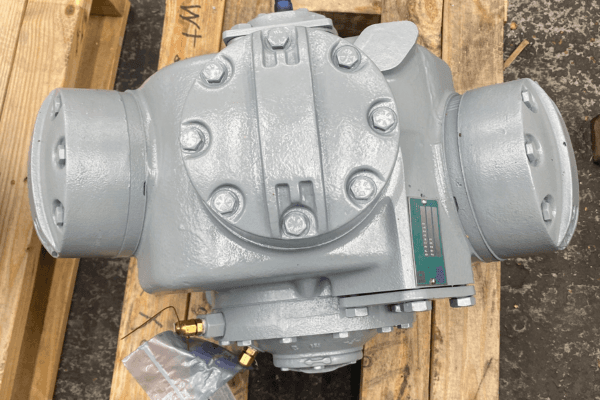
The commercial HVAC/R industry is undergoing one of its most significant transitions in decades, driven by global and U.S. regulations aimed at phasing down high-GWP (Global Warming Potential) refrigerants. These changes are reshaping the way compressors are manufactured, serviced, and remanufactured. Facility managers, contractors, and system designers who understand these regulations can make smarter decisions when it comes to equipment replacement and long-term planning.
Why Refrigerant Regulations Are Tightening
For years, refrigerants like R-22, R-404A, and R-134a have been widely used in commercial systems. While effective for cooling, these refrigerants have high GWPs, contributing significantly to climate change when released into the atmosphere.
To address this, agreements like the Montreal Protocol, the Kigali Amendment, and the U.S. EPA’s SNAP (Significant New Alternatives Policy) Program have introduced phasedown schedules for high-GWP refrigerants. The goal is to move toward alternatives that offer the same cooling performance with a smaller environmental footprint.
The Impact on New Compressor Manufacturing
Compressor manufacturers are adapting their designs to be compatible with low-GWP refrigerants such as:
- R-32
- R-448A
- R-449A
- R-513A
These refrigerants often have different chemical properties, pressures, and oil requirements. As a result:
- Material compatibility has become a greater consideration in seals, gaskets, and lubricants.
- Compressor brochures now clearly state approved refrigerants.
- Electrical components may be adjusted to match performance curves under new refrigerant pressures.
The shift has increased R&D costs for OEMs, leading to new models designed specifically for compliance with 2025 and beyond refrigerant rules.
What This Means for Existing Commercial Systems
Not every facility is ready for an immediate refrigerant conversion. Many systems still use compressors designed for phased-out refrigerants, and replacing the entire system can be costly. The good news is that, in many cases, compressors can be remanufactured or retrofitted to work with approved alternatives.
Retrofitting With Compatible Refrigerants
For example:
- A Carrier 06E designed for R-22 can often be converted to run on R-407C or R-448A with proper oil change and component adjustments.
- A Copeland semi-hermetic initially configured for R-404A can be updated for R-449A or R-448A use.
The conversion process requires careful attention to oil type, pressure settings, and control calibration.
How Regulations Are Affecting the Remanufacturing Industry
Remanufacturers are playing a vital role in helping businesses navigate refrigerant changes. At Compressors Unlimited, we ensure every remanufactured unit is:
- Equipped with seals, gaskets, and oil compatible with most modern refrigerants
- Labeled with the oil type and charge information, or labeled if it is shipped without an oil charge at the customer's request
- Pressure-tested to meet current safety and OEM standards
This approach allows facilities to extend the life of their existing systems while staying in compliance with refrigerant laws.
The Financial Angle: Planning Ahead
Ignoring refrigerant regulations can be expensive. If your system still runs on a phased-out refrigerant like R-22 or R-404A, service costs will continue to rise as supply diminishes. In some markets, these refrigerants are already prohibitively expensive.
By planning ahead and converting early, you can:
- Avoid emergency conversions during peak demand
- Reduce downtime during compliance-driven system changes
- Lock in lower refrigerant costs before they climb further
Steps to Take Now
- Identify Your Current Refrigerant
Check your system’s nameplate or service records to see what refrigerant you’re using. - Evaluate Compatibility
Work with a trusted compressor supplier or remanufacturer to determine if your compressor can be retrofitted for a compliant refrigerant. - Plan Your Conversion
Schedule conversions during low-demand seasons to minimize operational impact. - Consider Remanufactured Options
A remanufactured compressor matched to your system and future refrigerant can save both time and money compared to buying new.
Partnering With the Right Supplier
Compressors Unlimited specializes in remanufactured Carrier, Copeland, Trane, York and Bitzer compressors configured for modern refrigerants. We help customers match their tonnage, voltage, and refrigerant needs while reducing lead times and maintaining compliance with current and upcoming regulations.
We back every compressor with a limited warranty and ensure each unit leaves our facility ready for installation and operation with its specified refrigerant.
If you’re uncertain about how refrigerant changes might impact your equipment, now is the time to act. The transition is here, and those who plan ahead will avoid the cost and downtime that come with rushed conversions. Our team is ready to help you evaluate your options, select the right compressor, and keep your system compliant for years to come.