
Why Evacuation Quality Matters More Than Vacuum Time in Commercial HVAC Systems
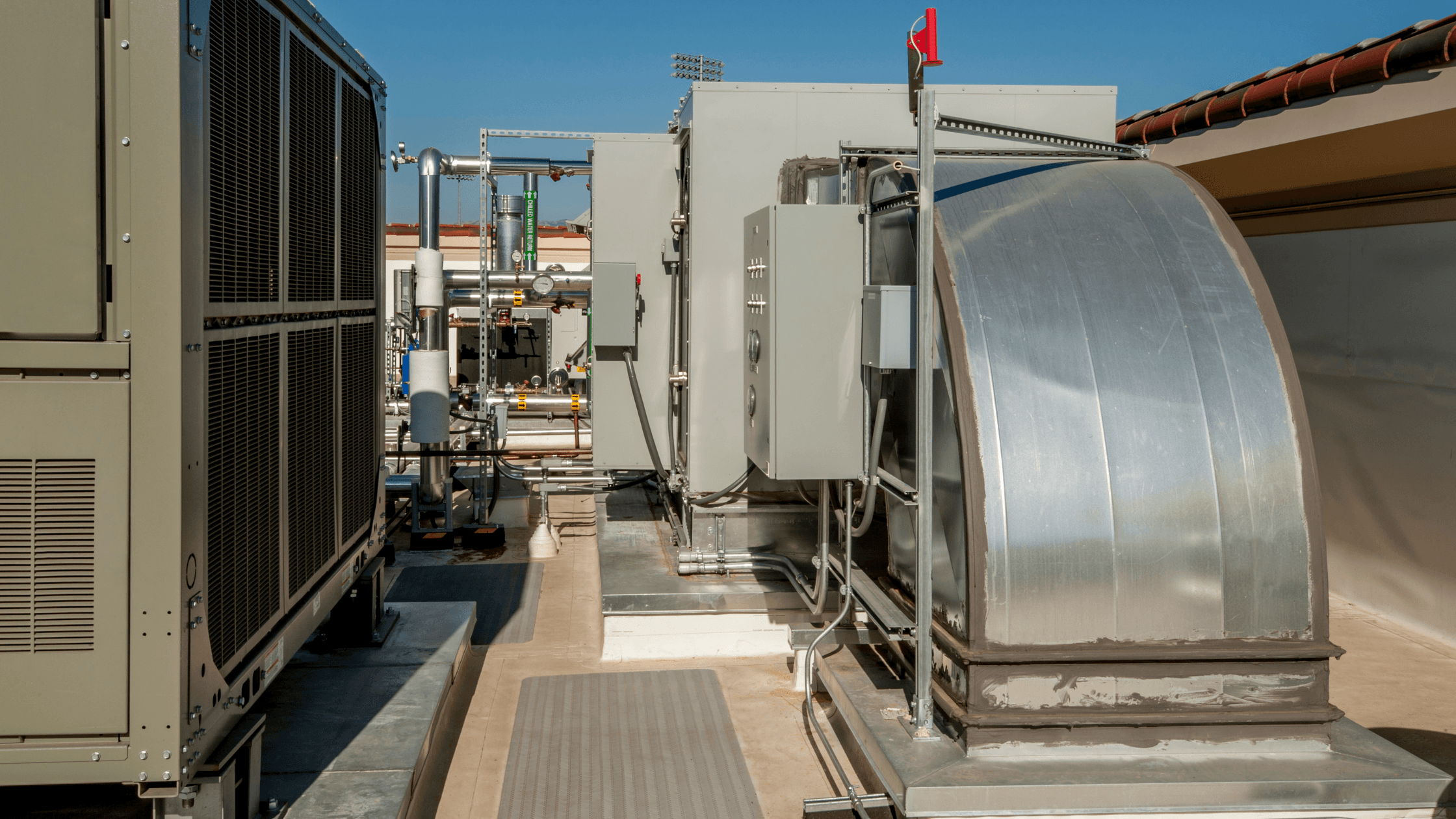
In commercial HVAC and refrigeration work, evacuation is often treated as a checklist item. Hook up the vacuum pump, let it run for a while, watch the gauge drop, and move on.
That approach might work on small residential systems; however, it does not work in large commercial environments.
In reality, evacuation quality matters far more than how long the pump runs. Two systems can both be evacuated for the same amount of time, yet one will operate reliably for years while the other suffers acid formation, compressor damage, and repeat failures.
Understanding why evacuation matters in HVAC/R systems is what separates professional-grade installations from rushed jobs that create long-term problems.
Why Evacuation Matters in Commercial HVAC/R Systems
Evacuation removes air, moisture, and non-condensable gases from the system before refrigerant is introduced. These contaminants are invisible, but their impact is severe.
Moisture reacts with refrigerant and oil, forming acids. Non-condensables increase head pressure and reduce efficiency. Air in the system affects heat transfer and system stability.
In large commercial systems such as those using Carrier 06E or Copeland 3D semi-hermetic compressors, even small amounts of moisture can circulate through hundreds of feet of piping and multiple components. The impact compounds quickly.
Evacuation is not about pulling a vacuum. It is about creating a dry, stable environment that protects the compressor and oil from chemical breakdown.
The Misconception About Vacuum Time
One of the most common misconceptions in commercial HVAC/R systems is that longer vacuum time equals better evacuation.
Vacuum time alone does not guarantee moisture removal. A pump can run for hours and still leave moisture trapped in:
- Oil reservoirs
- Long suction lines
- Receiver tanks
- Evaporator coils
- Low spots in piping
Moisture does not leave the system simply because the pump is connected. It must boil off and migrate through the piping to the pump. That process depends on pressure, temperature, system design, and preparation.
A technician who understands evacuation quality focuses on measurement, system preparation, and verification, not just clock time.
What Is a Good Evacuation Vacuum
A common question from technicians and facility managers is, what is a good evacuation vacuum?
The better question is, what proves the system is dry and stable?
A professional evacuation process includes:
- Using a properly sized vacuum pump for the system volume
- Removing Schrader cores to increase flow
- Using large-diameter vacuum hoses
- Isolating the pump from the system for decay testing
- Confirming the system holds at low pressure without a rapid rise
Simply watching the gauge drop is not enough. The system must hold a vacuum after isolation. A rapid pressure rise indicates that moisture or leaks are still present.
Quality evacuation means the system is dry, not just under vacuum.
Moisture Is the Real Enemy
Moisture causes more compressor failures than defective equipment.
When moisture remains in the system:
- Oil absorbs water and loses lubrication quality
- Acid forms when moisture reacts with the refrigerant
- Electrical insulation breaks down
- Bearings corrode
- Valve plates degrade
Even a properly remanufactured compressor from Compressors Unlimited will not survive long-term exposure to moisture and acid.
Evacuation is your final opportunity to eliminate moisture before refrigerant is introduced.
Why Large Commercial HVAC/R Systems Require Greater Precision
Commercial systems are fundamentally different from residential equipment.
They often include:
- Long refrigerant lines
- Multiple evaporators
- Oil separators
- Receivers
- Complex piping layouts
- Large oil charges
These systems trap moisture in hard-to-evacuate areas. Simply connecting a pump and waiting is not sufficient.
Professional-grade evacuation includes nitrogen sweeps, pressure testing before vacuum, and ensuring no trapped moisture remains in oil reservoirs or low spots.
Skipping these steps is one of the most common causes of repeat compressor failures in large Carrier and Copeland systems.
The Link Between Evacuation and Compressor Burnout
Many compressor burnouts trace back to poor evacuation.
When moisture remains in the system:
- It reacts with refrigerant and oil.
- Acid forms.
- Motor windings degrade.
- Electrical insulation fails.
The burnout appeared electrical, but the root cause was moisture.
After a burnout, evacuation quality becomes even more critical. Contaminated systems require deeper dehydration and verification before installing a replacement compressor.
If evacuation is rushed after a burnout, the replacement compressor may fail within months.
Evacuation Is Also About System Cleanliness
Evacuation does not remove debris or sludge. That must be addressed separately through proper cleanup and filtration. However, the evacuation confirms that moisture has been removed after those steps.
When paired with:
- Acid testing
- Oil replacement
- Liquid and suction filter-drier strategy
- Nitrogen pressure testing
Evacuation becomes the final validation step before charging.
It is not an isolated procedure. It is part of a complete installation process.
Professional-Grade Evacuation Practices
Technicians who prioritize evacuation quality follow disciplined procedures.
Core Removal
Schrader cores restrict flow. Removing them dramatically increases evacuation efficiency and reduces the time required to reach a deep vacuum.
Proper Hose Size
Using large-diameter, dedicated vacuum hoses improves flow and reduces pressure drop. Charging hoses are not sufficient for commercial systems.
Pump Capacity
The pump must be sized appropriately for the system’s volume. Undersized pumps struggle to remove moisture effectively from large systems.
Isolation Testing
After pulling a vacuum, isolate the system and monitor the pressure as it rises. Stable pressure confirms dryness and tightness. A rapid rise indicates remaining moisture or leaks.
These practices reflect experience and professionalism.
The Cost of Cutting Corners
Shortcuts during evacuation may save time during installation, but they create long-term risk.
Consequences of poor evacuation include:
- Repeat compressor failures
- Warranty disputes
- High head pressure
- Reduced efficiency
- Increased energy consumption
- Premature oil breakdown
For facility managers, that translates into downtime and cost. For contractors, it means callbacks and reputation damage.
The few extra steps required for proper evacuation are insignificant compared to the cost of repeat failure.
Why Evacuation Quality Protects Remanufactured Compressors
Compressors Unlimited remanufactures commercial HVAC and refrigeration compressors to OEM standards. Units such as the Carrier 06D, 06E, and Copeland 3D series are rebuilt through full teardown, machining, new wear components, and load testing.
These compressors are built for durability, but they are not immune to moisture-related damage.
Evacuation quality protects:
- Motor windings
- Oil integrity
- Bearing surfaces
- Valve plates
- Electrical insulation
A clean, dry system ensures a remanufactured compressor performs exactly as intended.
Your Answers to Common Evacuation Questions
Why does evacuation matter in HVAC/R systems
Evacuation removes moisture and air that cause acid formation, high head pressure, and compressor failure. Without proper evacuation, long-term system reliability is compromised.
What is a good evacuation vacuum?
A good evacuation is not defined solely by a low gauge reading. It is defined by the system’s ability to hold a deep vacuum without a rapid pressure rise, confirming dryness and leak-free integrity.
Final Perspective for Commercial HVAC/R Professionals
Evacuation is not about how long the pump runs. It is about whether the system is truly dry and ready for operation.
Professional-grade installations focus on quality, verification, and long-term reliability. Shortcuts focus on speed.
In commercial HVAC and refrigeration systems, especially those using large semi-hermetic compressors, evacuation quality determines whether the installation succeeds or fails months later.
At Compressors Unlimited, we support contractors and facility teams not only with high-quality remanufactured compressors but also with the technical guidance required to install them properly.