A compressor burnout is one of the most stressful failures in commercial HVAC and refrigeration systems. It rarely happens at a convenient time. It often affects mission-critical systems such as supermarket racks, cold storage facilities, manufacturing plants, or large commercial comfort systems. When it does occur, the immediate questions are urgent and practical:
- What must be replaced after a compressor burnout
- Can you reuse components after burnout
- Is the entire system contaminated
- How do you prevent it from happening again
The answers matter. Making the wrong call can lead to repeat failures, voided warranties, lost product, and frustrated customers. Making the right call restores system stability and positions you as the professional who handled a crisis correctly.
This guide breaks down what actually happens during a compressor burnout, what absolutely must be replaced, what may be saved with proper procedures, and how to move forward confidently with a remanufactured replacement from Compressors Unlimited.
What Happens During a Compressor Burnout
A burnout occurs when the compressor motor windings overheat and electrically fail. This failure produces extreme temperatures inside the compressor shell. The heat breaks down refrigerant and oil, creating acidic compounds, sludge, and carbon debris.
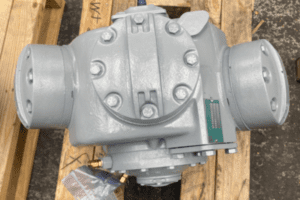
In semi-hermetic compressors such as the Carrier 06D, Carrier 06E, and Copeland 3D series, a burnout can quickly contaminate the entire refrigeration or HVAC system. Acid and debris circulate through the piping, condenser, evaporator, oil separator, and expansion devices.
The visible failure is the compressor. The hidden damage is in the system.
That is why the next steps are critical.
What Must Be Replaced After a Compressor Burnout
Some components should always be replaced. Attempting to save them increases the likelihood of repeat failure.
1. The Compressor
This is obvious, but the replacement choice matters. A properly remanufactured commercial compressor built to OEM specifications is often the most cost-effective and reliable option.
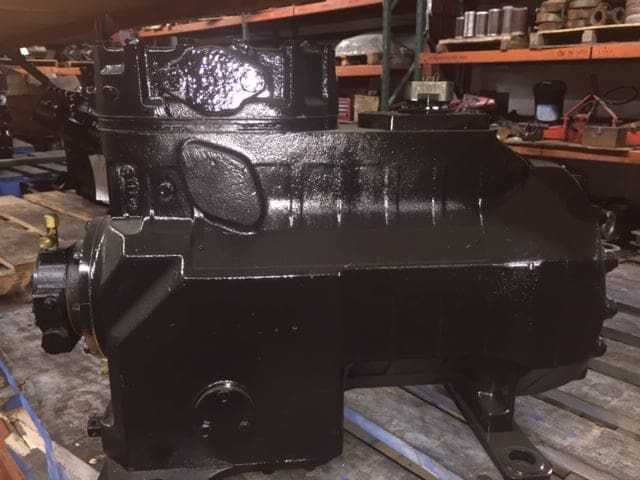
Compressors Unlimited remanufactures commercial HVAC and refrigeration compressors including:
- Carrier 06D and 06E series
- Copeland 3D and other semi-hermetic models
Each unit undergoes full teardown, machining, new wear components, electrical testing, and pressure verification. However, even the best remanufactured compressor will fail if installed in a contaminated system.
2. Liquid Line Filter Drier
This must be replaced without exception. Burnouts introduce acid and carbon into the refrigerant circuit. A new high-capacity liquid line drier is essential.
3. Suction Line Filter Drier
After a burnout, a suction line drier should be installed temporarily to capture acid and debris before it reaches the replacement compressor. This is not optional in severe burnouts.
The suction drier should be monitored for pressure drop and removed after the cleanup process is complete.
4. Oil
Contaminated oil must be completely removed. Burnout oil contains acid and carbon that will immediately attack a replacement compressor.
If the system has an oil reservoir, it must be drained and cleaned. Oil return lines should be flushed if heavily contaminated.
5. Compressor Contactors and Overload Devices
Electrical burnouts often damage contactors, overloads, and wiring. Inspect and replace these components if there is any sign of heat damage, pitting, or insulation breakdown.
Failing to address electrical root causes leads to repeat failures.
What May Be Saved After a Compressor Burnout
Not every component must automatically be replaced. With proper inspection and cleaning, many system components can be saved.
1. Condenser and Evaporator Coils
These can usually be reused if properly flushed and cleaned. Inspect for oil sludge accumulation and ensure airflow surfaces are clean.
2. Piping
Copper piping can typically be saved unless severely contaminated with heavy sludge. In most commercial systems, flushing combined with filter-drier strategy is sufficient.
3. Expansion Valves
Thermostatic expansion valves may be reused if they are not clogged or damaged. However, if contamination is heavy, replacement may be safer.
4. Oil Separators
Oil separators must be opened and inspected. If sludge buildup is severe, replacement may be required. In moderate cases, cleaning and flushing are sufficient.
The key question is not simply whether a component can be reused. The real question is whether it can be reliably cleaned and verified.
Acid Testing Determines the Cleanup Strategy
Before deciding what can be saved, acid testing must be performed. Test the oil removed from the failed compressor or system reservoir.
If acid is present, aggressive cleanup is required. This includes:
- Installing suction line driers
- Replacing liquid line driers
- Performing multiple oil changes
- Monitoring acid levels during system operation
Skipping acid testing is one of the most common reasons for repeat compressor failure.
Evacuation and Moisture Removal After Burnout
Moisture accelerates acid formation. After a burnout, proper evacuation is critical.
Best practice includes:
- Pressure testing with dry nitrogen
- Triple evacuation with nitrogen breaks
- Pulling a vacuum to 500 microns or lower
- Verifying the system holds below 1,000 microns
Moisture left in the system after cleanup will combine with residual acid and destroy the replacement compressor.
Can You Reuse Refrigerant After a Burnout
In most severe burnout cases, refrigerant should be replaced. Acid and decomposition products can remain suspended in the refrigerant.
If refrigerant is to be reused, it must be properly recovered, filtered, and tested. In many commercial applications, replacement is the safer option.
Preventing Repeat Burnouts
Replacing components is only part of the solution. The root cause must be identified and corrected.
Common root causes include:
- Voltage imbalance
- Failed contactors
- Improper oil return
- High head pressure
- Inadequate airflow
- Floodback or liquid slugging
Carrier 06E and Copeland 3D compressors, for example, are robust machines. When they burn out, the cause is almost always system-related.
Addressing these conditions before installing the replacement compressor prevents another high-stress failure event.
A Real-World Scenario
A national grocery chain experienced a burnout on a Copeland 3D compressor in a rack system. The initial response focused only on replacing the compressor and liquid line drier. No suction drier was installed. Acid testing was skipped.
Within months, the replacement compressor failed.
After conferring with the team at Compressors Unlimited, it was suggested to the contractor to perform acid testing, replace oil, install suction and liquid driers, flush contaminated piping, correct voltage imbalance, and complete proper evacuation before installing the replacement compressor.
The remanufactured Copeland compressor installed afterward has been running reliably ever since.
The difference was not the compressor. It was the cleanup and root cause correction.
Strong Answers to Common Burnout Questions
What must be replaced after a compressor burnout
At minimum:
- The compressor
- Liquid line filter drier
- Contaminated oil
- Damaged electrical components
Often:
- Suction line drier
- Severely contaminated expansion valves or oil separators
Can you reuse components after burnout
Yes, many components can be reused if properly inspected and cleaned. Coils, piping, and certain valves are often salvageable. The decision depends on the severity of contamination and the effectiveness of the cleanup.
Why Experience Matters During Burnout Events
Burnouts are high-stress events. Decisions are made quickly. Customers expect immediate answers.
At Compressors Unlimited, we work with commercial HVAC/R contractors and facility managers during exactly these moments. We help identify the correct replacement model, whether that is a Carrier 06D, Carrier 06E, Copeland 3D, or another commercial compressor. We provide guidance on cleanup procedures, oil considerations, and installation preparation.
Every remanufactured compressor we supply is built to OEM standards and backed by a limited warranty. When paired with proper system cleanup, these compressors restore performance and reliability.
Moving Forward After a HVAC/R Compressor Burnout
A compressor burnout does not mean the entire system must be scrapped. With careful evaluation, proper cleanup, and a high-quality remanufactured replacement, most commercial HVAC and refrigeration systems can be restored to long-term operation.
The key is not panic. The key is process.
When the next burnout happens, know what must be replaced, know what can be saved, and work with a supplier that understands the full picture.
Compressors Unlimited is ready to help you navigate that process with confidence.