When it comes to commercial HVAC and refrigeration systems, selecting the right compressor isn’t just about brand preference or pricing. One of the most important and often overlooked factors is tonnage. If the compressor is too small, it won’t keep up with demand. If it’s too large, it will short-cycle, waste energy, and wear out prematurely.
Whether you’re replacing a failed unit or designing a new system, getting the tonnage right is critical for performance, efficiency, and long-term reliability. Here’s why compressor tonnage matters, what happens when it’s miscalculated, and how to choose the correct size for your application.
What Is Compressor Tonnage?
Tonnage refers to the cooling capacity of a compressor. One ton equals 12,000 BTUs per hour, which is the amount of heat needed to melt one ton of ice in 24 hours. In practical terms, it measures how much cooling a compressor can provide.
For example:
- A 7.5-ton compressor delivers 90,000 BTUs/hr
- A 20-ton compressor delivers 240,000 BTUs/hr
- A 50-ton compressor delivers 600,000 BTUs/hr
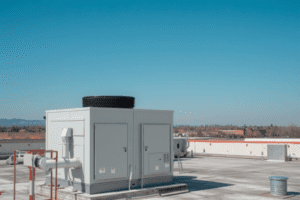
Compressors used in commercial and industrial buildings, process cooling, and refrigeration systems typically fall in the 7.5 to 150 ton range, depending on the facility’s needs.
Why Tonnage Affects System Performance
The compressor is responsible for circulating refrigerant and maintaining pressure differences across the system. If it doesn’t have enough capacity, it won’t be able to remove heat efficiently. If it’s oversized, the system will cycle too frequently, causing other problems.
Undersized Compressors:
- Struggle to meet demand on hot days or during peak load
- Run continuously, leading to overheating and premature failure
- Result in inconsistent cooling and comfort complaints
- Often requires system redesign or supplemental equipment
Oversized Compressors:
- Short cycle, turning on and off frequently
- Waste energy with frequent startups
- Accelerated wear on internal components
- May lead to poor humidity control or frozen coils
Both scenarios reduce system efficiency, shorten equipment lifespan, and increase operating costs. Tonnage mismatch is one of the leading causes of chronic performance issues in commercial HVAC and refrigeration systems.
How Tonnage Should Be Calculated
Compressor sizing isn’t guesswork. It should be based on load calculations and system design specifications. Several factors influence the required tonnage:
- Building or space size
- Insulation quality and air leakage
- Internal heat loads (people, equipment, lighting)
- Outdoor temperature conditions
- Desired indoor temperature and humidity
- Type and quantity of refrigerant
- Airflow and ductwork configuration
For refrigeration systems, considerations include:
- Volume of space to be cooled
- Frequency of door openings
- Type of products stored
- Target temperature range
When replacing an existing compressor, don’t assume the original unit was sized correctly. Buildings change, usage shifts, and equipment is sometimes oversized by default to “be safe,” even if that leads to inefficiency.
Real-World Examples of Proper Tonnage Application
Here’s a look at how the right tonnage makes all the difference in specific settings:
Grocery Store Refrigeration (20–60 Tons)
A large grocery chain may operate walk-in freezers and display cases on a centralized rack system. If compressors are undersized, food spoilage becomes a risk. If they’re oversized, the system short-cycles and struggles with defrost cycles. Properly sized compressors maintain consistent temperature and preserve product quality.
Hotel HVAC System (50–150 Tons)
A multi-story hotel requires steady, distributed cooling for guest rooms, common areas, and conference rooms. Compressors must match the total load while allowing for zoning and control. Oversized units can lead to humidity problems and comfort complaints.
Medical Cold Storage (10–40 Tons)
Hospitals and labs must keep medication and biological samples within strict temperature ranges. Compressors in this range need to provide redundancy and precision without excess capacity that could disrupt controls or cause refrigerant issues.
How Compressors Unlimited Supports Proper Sizing
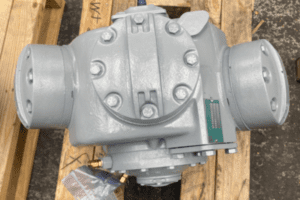
At Compressors Unlimited, we specialize in remanufactured compressors from 7.5 to 150 tons. Our team helps customers across industries match their replacement compressors to the exact system requirements, not just the model number.
When you provide system specs, model history, or tonnage requirements, we:
- Verify capacity compatibility
- Check voltage and phase
- Match refrigerant type and oil
- Ensure physical and electrical alignment
- Offer lead time estimates and in-stock options
Whether you’re dealing with a Carrier 06E, a Copeland 3D, or a Bitzer semi-hermetic unit, we’ll make sure you’re not upsizing or downsizing blindly.