
Commercial Refrigeration in Cold Climates: Compressor Considerations for Canadian Winters
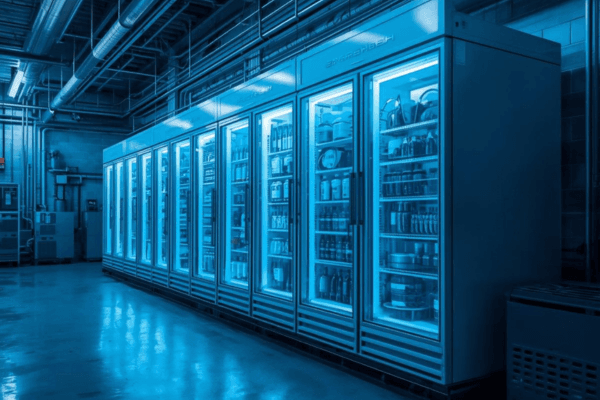
Operating commercial refrigeration systems in Canada presents unique challenges. From subzero winters in Alberta and Saskatchewan to coastal moisture conditions in British Columbia and Atlantic Canada, cold climates place added stress on refrigeration compressors and system components.
While compressors such as the Carrier 06D, Carrier 06E, and Copeland 3D series are engineered for durability, improper winter preparation can lead to oil return problems, high head pressure instability, short cycling, and even compressor failure.
If you manage or service commercial refrigeration systems in Canada, understanding cold-weather compressor behavior is essential. This guide explains how Canadian winters affect refrigeration compressors and what contractors can do to maintain performance, efficiency, and longevity.
Why Cold Climates Create Unique Refrigeration Challenges
In moderate climates, refrigeration systems reject heat to ambient air that is warm enough to maintain stable condensing pressures. In Canadian winters, ambient temperatures can drop well below freezing for extended periods.
Low ambient conditions affect:
- Condensing pressure stability
- Oil return to the compressor
- Liquid refrigerant migration
- Crankcase temperature control
- Compressor cycling behavior
These effects can reduce efficiency and cause mechanical stress if not properly managed.
Head Pressure Control Is Critical in Winter
One of the most common winter-related issues in commercial refrigeration systems is unstable head pressure.
What Happens When Ambient Temperatures Drop
As outdoor temperatures fall, the condenser rejects heat more efficiently. While this sounds beneficial, it can lower head pressure below the level required for proper system operation.
Low head pressure can cause:
- Expansion valve malfunction
- Reduced refrigerant flow
- Poor evaporator performance
- Increased compressor cycling
Systems using semi-hermetic compressors such as the Carrier 06E or Copeland 3D rely on stable condensing pressure for consistent operation.
Solutions for Head Pressure Control
Canadian refrigeration systems should use one or more of the following strategies:
- Flooded condenser control
- Fan cycling controls
- Variable speed condenser fans
- Head pressure regulating valves
These components maintain adequate condensing pressure even when outdoor temperatures drop significantly.
Failure to control head pressure is a leading cause of winter service calls in Canada.
Oil Return Becomes More Difficult in Cold Weather
Oil return is one of the most overlooked cold-climate concerns.
Why Oil Return Suffers in Low Temperatures
Oil travels with refrigerant vapor through the system and returns to the compressor through suction lines. In cold conditions:
- Refrigerant velocity may decrease
- Oil viscosity increases
- Long horizontal runs trap oil
- Vertical risers struggle with reduced flow
If oil does not properly return, the compressor may operate with insufficient lubrication.
Carrier 06D, 06E, and Copeland 3D compressors depend on proper oil return to protect bearings, journals, and valve assemblies. Chronic oil return problems shorten compressor life significantly.
Winter Oil Management Best Practices
- Ensure proper pipe sizing for refrigerant velocity
- Inspect oil separators for proper function
- Monitor oil levels during cold-weather startup
- Confirm crankcase heaters are operational
Oil problems often show up months after winter begins, making early monitoring critical.
Refrigerant Migration and Crankcase Protection
Refrigerant migration is another major winter concern.
When the system is off, refrigerant naturally migrates to the coldest part of the system. During Canadian winters, the compressor crankcase may become the coldest point, allowing refrigerant to condense in the oil.
When the compressor starts:
- Refrigerant boils out of the oil
- Oil foaming occurs
- Bearings experience a momentary lubrication loss
- Mechanical wear increases
Repeated migration events contribute to long-term damage.
Crankcase Heaters Are Not Optional in Canada
Crankcase heaters keep oil warm enough to prevent refrigerant migration. These heaters should be:
- Verified during winter service calls
- Energized during off cycles
- Properly sized for the compressor type
Skipping crankcase heater inspection is a common oversight during fall maintenance.
Floodback and Liquid Slugging Risks Increase
Cold weather also affects evaporator load and system balance. Reduced load combined with improper superheat adjustment can cause liquid refrigerant to return to the compressor.
Floodback leads to:
- Oil dilution
- Broken valves
- Bent connecting rods
- Shortened compressor life
Semi-hermetic compressors such as Copeland 3D units are durable but not immune to floodback damage.
Monitoring superheat settings and ensuring proper expansion valve operation is especially important during seasonal transitions.
Evacuation and Moisture Control in Cold Regions
Moisture is always a concern in refrigeration systems, but Canadian climates introduce additional challenges.
Cold ambient conditions slow moisture removal during evacuation. Water trapped in oil and piping evaporates more slowly at lower temperatures.
This means evacuation procedures during winter should account for:
- Longer dehydration time
- Nitrogen sweeps before evacuation
- Proper micron verification and decay testing
Incomplete moisture removal contributes to acid formation, especially during seasonal restarts.
Outdoor Compressor Installations in Canada
Many commercial refrigeration systems in Canada use outdoor condensing units or remote compressor racks. These installations face direct exposure to extreme conditions.
Considerations include:
- Snow accumulation is blocking airflow
- Ice formation on condenser coils
- Wind-driven temperature fluctuations
- Electrical component exposure
Protective measures such as wind baffles, elevated mounting, and routine winter inspections reduce mechanical stress and prevent airflow restriction.
Cold-Climate Refrigerant Considerations
Lower ambient temperatures affect refrigerant characteristics and system balance.
Contractors converting from higher-GWP refrigerants such as R-404A to alternatives like R-448A or R-449A must account for slight performance differences.
System adjustments may include:
- Superheat recalibration
- Head pressure control tuning
- Oil compatibility verification
Canadian contractors should evaluate winter performance when planning refrigerant retrofits during compressor replacement.
Real-World Winter Failure Scenario
A food distribution warehouse in Manitoba experienced repeated compressor trips during winter. The system used Copeland 3D compressors with fan cycling head pressure control.
The issue was traced to:
- Inadequate head pressure during extreme cold
- Poor oil return in long horizontal suction lines
- Inoperative crankcase heaters
After upgrading head pressure control and restoring heater function, the remanufactured compressors supplied by Compressors Unlimited operated reliably through the following winter season.
The lesson was clear. The compressors were not defective. The system was not properly configured for extreme ambient conditions.
Strong Answers to Common Canadian Winter Questions
How does cold weather affect refrigeration compressors
Cold weather lowers head pressure, increases oil viscosity, promotes refrigerant migration, and can lead to floodback if not properly managed.
Do compressors fail more often in winter?
Improperly configured systems are more likely to experience lubrication issues, migration damage, and pressure instability during the winter months.
Can remanufactured compressors operate in Canadian climates
Yes. When properly installed and supported with correct head pressure control, oil management, and crankcase heating, remanufactured Carrier and Copeland compressors perform reliably in extreme cold.
Why Planning Matters Before Winter Arrives
Preventive winter preparation should include:
- Inspecting crankcase heaters
- Verifying head pressure controls
- Checking oil levels
- Replacing filter driers if moisture is suspected
- Confirming superheat settings
Addressing these factors before the first deep freeze prevents emergency service calls.
Final Perspective for Canadian Refrigeration Professionals
Commercial refrigeration in Canada demands more than standard installation practices. Cold climates magnify small system weaknesses into major failures.
Carrier 06D and 06E compressors, along with Copeland 3D semi-hermetic units, are well-suited for commercial applications in Canada. However, their reliability depends on proper head pressure control, oil management, moisture removal, and seasonal preparation.
At Compressors Unlimited, we support Canadian contractors and facility managers with remanufactured commercial HVAC and refrigeration compressors built to OEM standards and backed by a limited warranty.
When winter temperatures drop, preparation and expertise make the difference between smooth operation and costly downtime.