
Ordering a Replacement Copeland Refrigeration Compressor? What to Verify About Oil Safety Controls
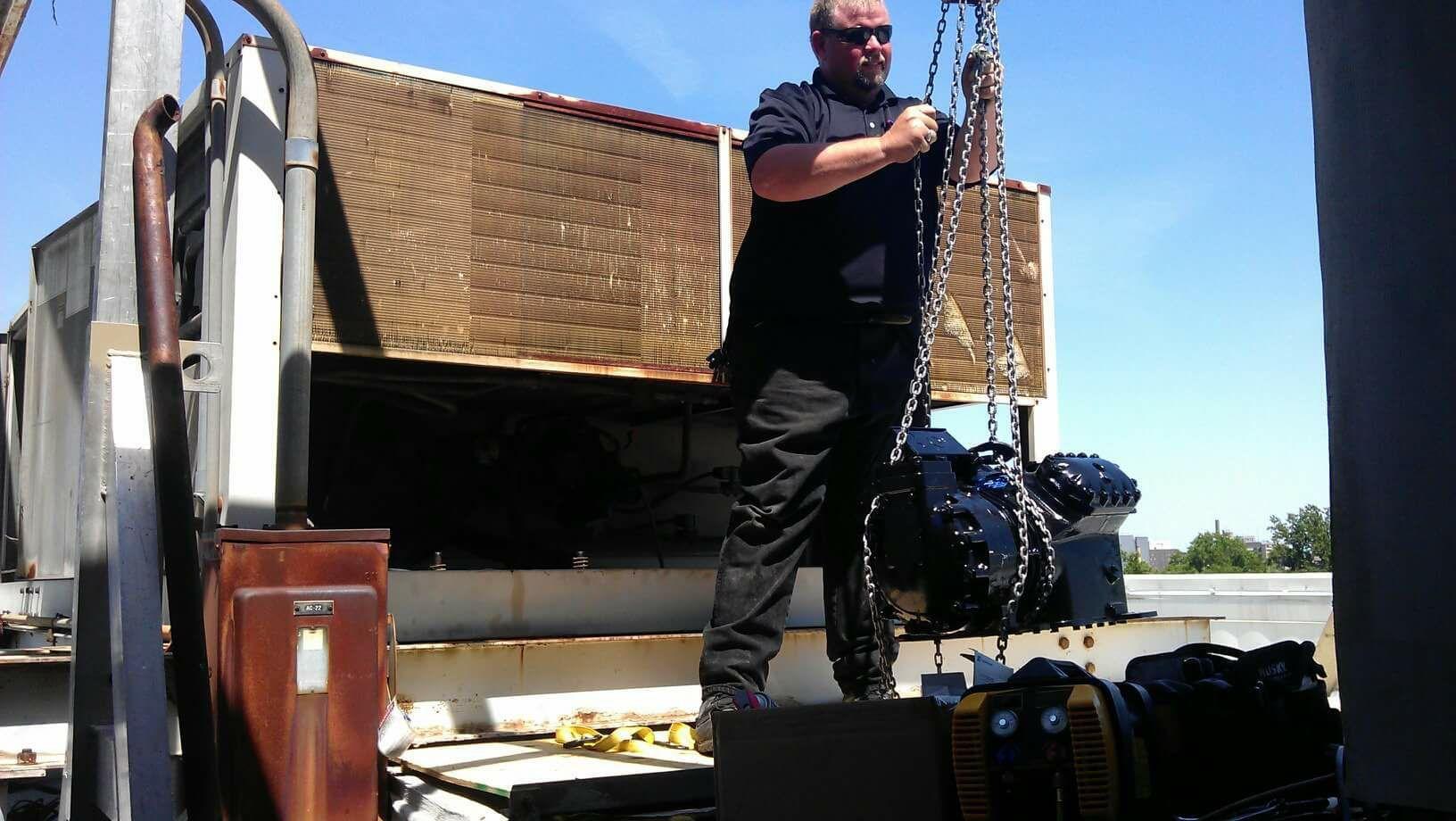
A complete replacement compressor still relies on the refrigeration system’s existing controls for protection. Learn what your installing contractor should check about oil safety control compatibility, operation, and oil requirements when replacing a Copeland compressor, with examples from the 3D, 4D, and 6D families.
When a commercial refrigeration compressor fails, the immediate questions are usually about the replacement model, availability, and how soon I can get it! Those details matter, but the installing contractor also needs to verify that the system’s existing oil safety control is compatible with the replacement compressor and operating correctly. This helps ensure the replacement has the protection it needs once it is installed.
A compressor replacement is also an opportunity to review the condition of the surrounding system. The commercial refrigeration equipment may have been serviced, converted to another refrigerant, or fitted with different controls over the years. Understanding those changes helps the contractor prepare for installation and address any possible problems that could affect the replacement.
What Does an Oil Safety Control Do?
On applicable pressure-lubricated compressors, an oil pressure safety control monitors whether the oil pump is producing sufficient pressure above crankcase pressure. That difference is often called net oil pressure or differential oil pressure. It is different from checking how much oil appears in the sight glass, which shows oil level rather than the pressure developed by the pump.
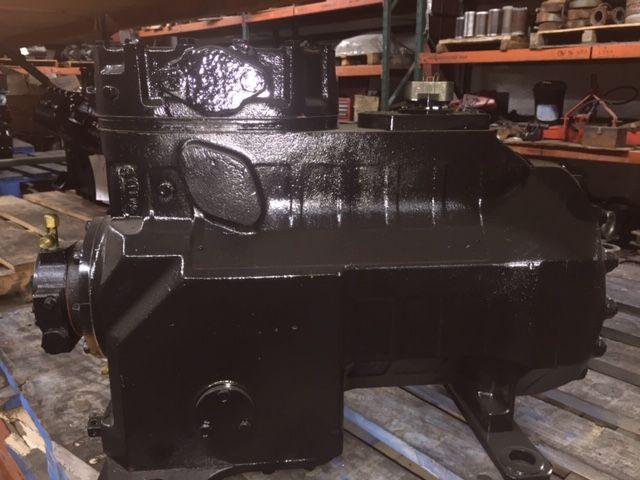
Copeland’s explanation of Sentronic oil pressure trips describes how the control stops the compressor when adequate oil pressure is not restored within its permitted time interval. For someone purchasing a replacement commercial refrigeration compressor, the important point is that the system’s protection must function correctly after installation. Seeing oil in the sight glass does not, by itself, confirm adequate oil pressure.
Check the Existing Oil Safety Control Before Installation
The installing contractor should identify the existing oil safety control and evaluate its condition before putting the replacement compressor into service. Clear photographs of the control, sensor, connections, and part numbers can help document the installation. The equipment’s wiring diagram and service records are also useful, particularly if previous repairs changed the original arrangement.
Some installations use a traditional mechanical oil pressure control with capillary connections. Others use an electronic arrangement such as Sentronic, with a sensor and control module. Copeland’s guidance on external oil pump compatibility explains that its external oil pumps shipped after September 1986 have a fitting that can accommodate a Sentronic+ pressure sensor or a capillary connection for a traditional mechanical control.
That connection is only one part of the compatibility check. The contractor also needs to verify the approved control arrangement, electrical requirements, and wiring against the applicable manufacturer instructions. A replacement compressor should not be put into operation with an unverified or bypassed oil safety control.
Does the Existing Control Need to Be Replaced?
Replacing the compressor does not automatically mean the existing oil safety control needs replacement. A compatible control that is in serviceable condition and passes the appropriate checks may remain in use when permitted by the manufacturer’s instructions. The technician should base that decision on inspection and testing rather than the control’s age or appearance alone.
For an electronic system, that evaluation includes the sensor, module, cable, and connections. For a mechanical control, it includes the control and its pressure connections. These are checks of the existing refrigeration system, separate from selecting the complete replacement compressor. Identifying a damaged or unsuitable control before installation gives the contractor time to correct the issue before startup.
Match the Replacement to the Complete Model Number
When sourcing a remanufactured Copeland compressor, start with the full model and serial number from the existing compressor. Include the electrical information and any suffixes shown on the nameplate. Those details help identify the appropriate replacement and give the contractor a basis for checking its compatibility with the system.
Compressors Unlimited lists models including the Copeland 3D*B3R12M, Copeland 4D*T3F76K, and Copeland 6D*S4000. These listings provide starting points for replacement inquiries across the 3D, 4D, 6D, and 8D families. The correct selection still depends on the complete model information and the actual refrigeration application.
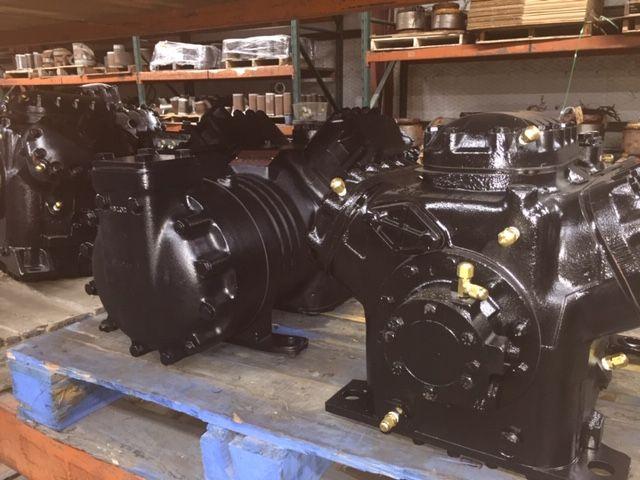
Our guide to understanding compressor nomenclature explains why a shortened model reference does not answer every replacement question. The nameplate, current operating requirements, and service history should be considered together, especially when the equipment has undergone previous modifications.
How Do Refrigerant and Oil Changes Affect Replacement?
Oil compatibility and oil pressure protection address different needs. The oil must be appropriate for the compressor and refrigerant, while the oil safety control monitors the pressure conditions it was designed to detect. Verifying one does not eliminate the need to verify the other.
Compressors Unlimited normally supplies mineral oil or POE oil based on the known application, and some compressors ship without oil after testing. Confirm the shipping condition for the specific order. The installing contractor determines the refrigerant and verifies the appropriate oil type, viscosity, and charge before startup. If the existing oil information is unknown, it needs to be checked rather than inferred from the compressor family.
What If the Old Compressor Had Repeated Oil Safety Trips?
A history of oil safety trips is important information for the installing contractor. A trip alone does not mean the compressor has failed or the control is defective. The technician needs to determine why the protection operated and whether the underlying problem has been corrected.
If compressor replacement is necessary, that diagnosis still matters. Installing another compressor will not correct an unresolved problem elsewhere in the refrigeration system. Repeatedly resetting or bypassing the oil safety control is not a repair. The replacement should be started and checked to ensure the required protection functions according to the manufacturer’s instructions.
Prepare for Your Copeland Compressor Replacement
For an accurate replacement inquiry, provide the complete compressor nameplate information, current refrigerant, electrical requirements, and requested delivery date. Include known oil information and any documented system conversions. If the contractor has identified an unusual control arrangement or a history of oil safety trips, share those details so questions can be addressed before installation.
Compressors Unlimited can help identify the appropriate Copeland replacement for your commercial refrigeration system. With the replacement selected, the installing contractor can verify the existing controls, address the cause of the previous failure, and complete the required startup checks. That preparation helps protect the replacement and supports a smoother return to refrigeration service.