
Buying a Spare Commercial Refrigeration Compressor? How to Store It Until Installation
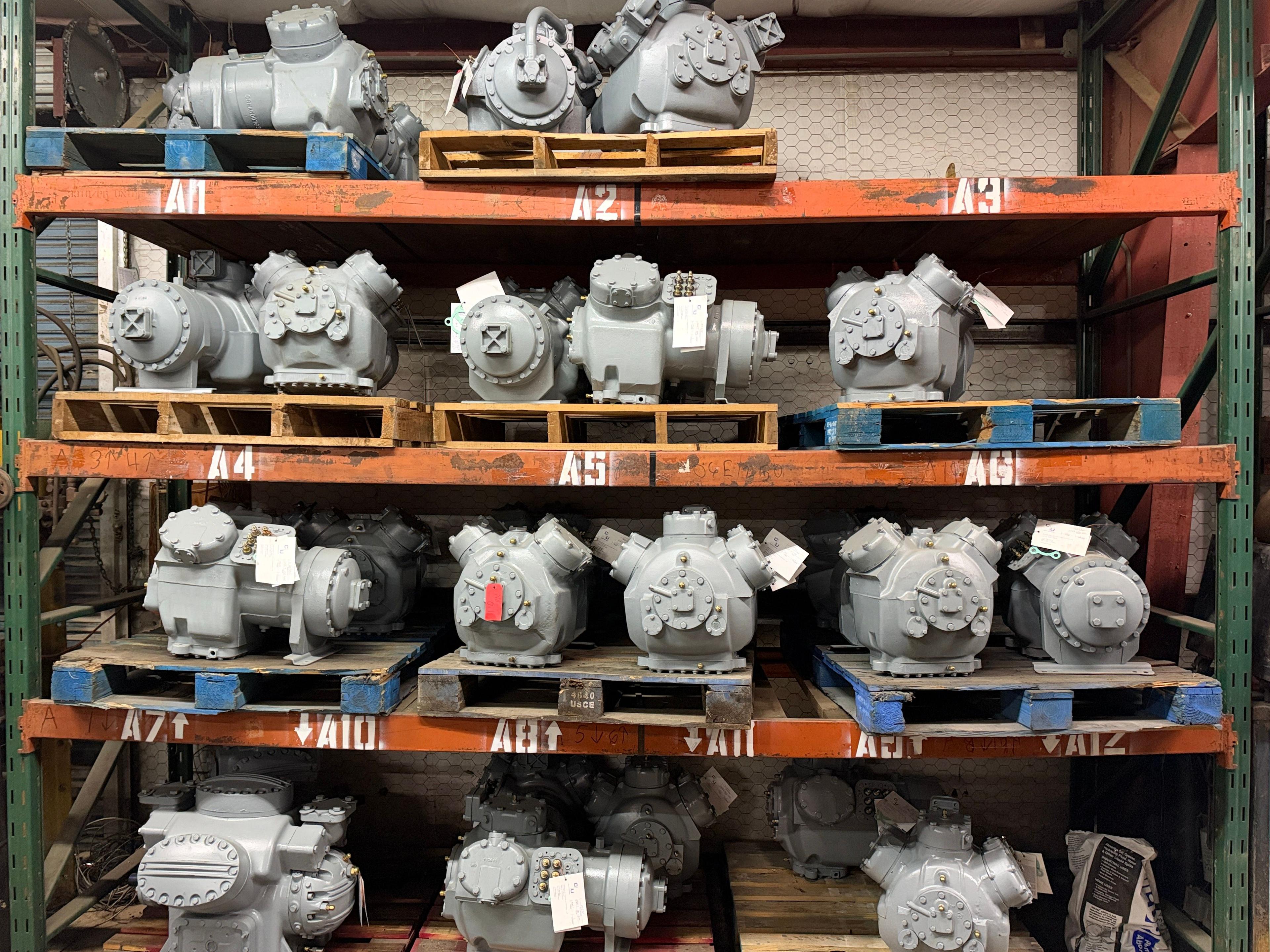
Buying a spare compressor is only part of preparing for a refrigeration breakdown. Where you keep it, how you protect it, and what you record can affect its readiness for installation. Learn what to discuss with your supplier and how warranty timing fits into your storage plan.
When a refrigeration compressor fails, having a replacement on hand can save time. That is often why a grocery store, cold storage facility, or refrigeration contractor buys a spare in the first place. The challenge is caring for it between the day it arrives and the day it is needed. That could be a few weeks, several months, or longer.
A good storage plan starts with a dry, protected location, intact shipping closures, and the instructions for that particular compressor. Just as important, someone needs to keep track of its condition. You don't want your contractor to discover a damaged connection or missing paperwork while a walk-in freezer is warming up.
Ask about storage before the compressor arrives
When ordering a spare, let your supplier know that it will be going into storage. Explain where you plan to keep it and whether you expect to install it soon or hold it for a future breakdown. That gives you an opportunity to discuss any core charges and storage requirements before the delivery truck pulls up.
Ask for instructions that apply to the exact compressor you are purchasing. Keep those instructions with the model number, serial number, purchase date, and information about the refrigeration system it is intended to serve. Include the documented oil status and any specified holding charge, too. Compressors do not all arrive with the same shipping preparation, even when they look similar.
If you have already worked through which spare compressors to keep available, this is the practical next step. You have decided what your operation needs. Now you need a place and a process for taking care of it.
Where should you keep a spare refrigeration compressor?
Choose a dry indoor location that meets the supplier’s storage requirements. Look beyond whether there is enough floor space. Is there a roof leak nearby? Does the area get washed down? Could someone back a forklift into the pallet? A spot that looks fine on delivery day may be less suitable once normal warehouse activity resumes.
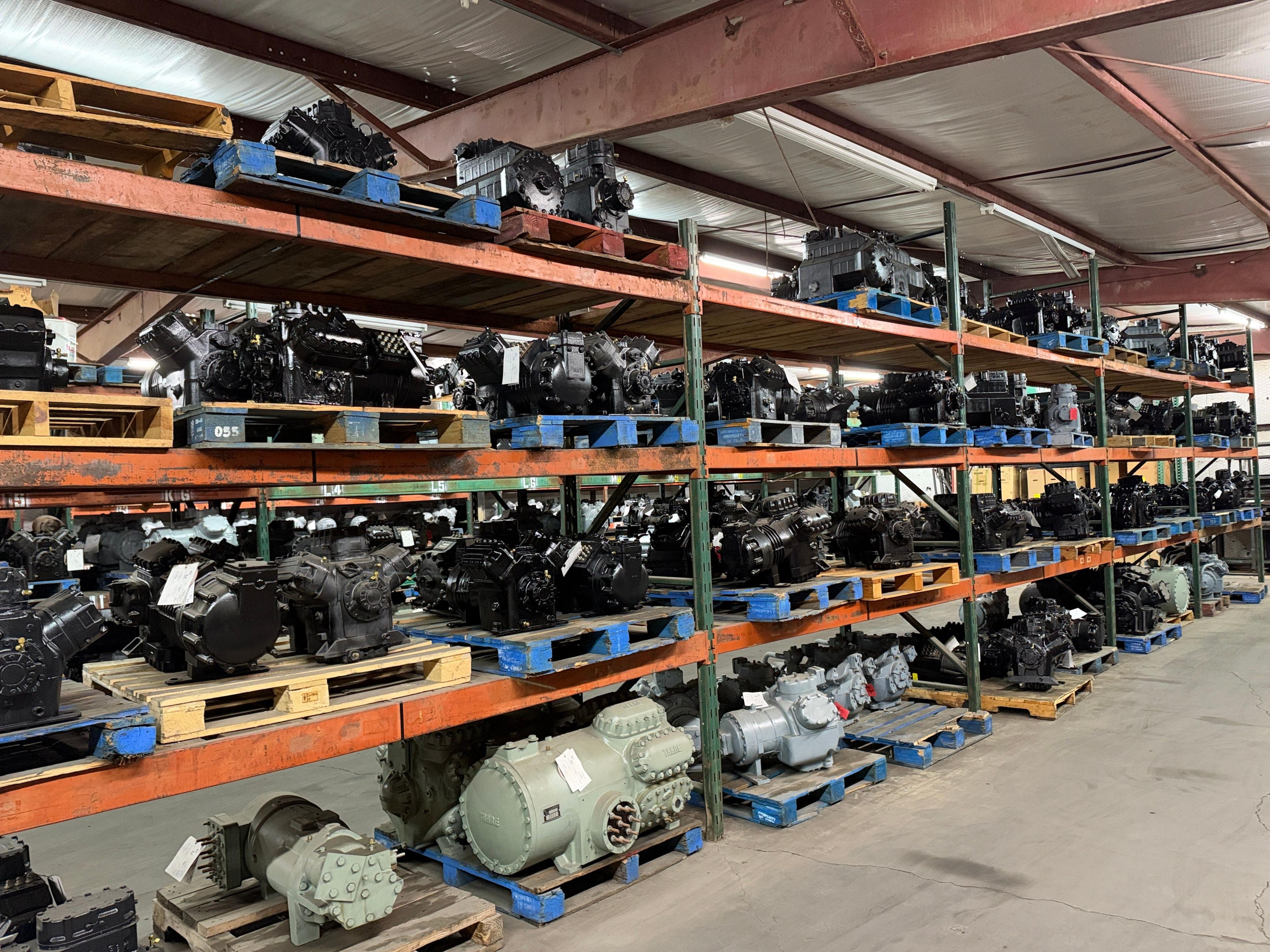
Keep the compressor secured to a sound skid or other approved support in the specified position. Make sure the floor or storage rack can support the loaded weight, and keep other equipment off the compressor and its packaging. It should have a designated space, rather than becoming another surface where boxes and tools collect.
Think about getting it out of storage as well. If the spare sits behind several pallets of unrelated inventory, retrieving it could become a project of its own. Keep access clear enough that the unit can be moved with the proper equipment when needed.
A protective cover may help with dust, but it will not solve a moisture problem. Follow the packaging instructions instead of wrapping the compressor in a way that could trap moisture. If the area has frequent condensation or substantial temperature swings, check with the supplier before using it for long-term storage.
Leave the shipping closures in place
It can be tempting to remove a cap or plug to take a closer look when a compressor arrives. Unless the receiving instructions call for it, leave those closures alone. They help protect the inside of the compressor from the surrounding air, humidity, and contamination.
Most routine storage inspections should begin with what you can see from the outside. Look for damaged packaging, disturbed closures, moisture, corrosion, or oil beneath the unit. If something has changed since the last inspection, make a note of it and find out why.
Some compressors have a specified holding charge. Any checks or maintenance of that charge should follow the supplier’s instructions and be handled by a qualified person. Avoid applying a pressure recommendation from another model simply because it is also a refrigeration compressor.
If a technician finds that an expected holding charge is missing, or you discover a damaged closure or possible leak, contact the supplier. Replacing the cap or adding pressure does not explain what happened. It is better to resolve that question while the compressor is still a spare than during an urgent replacement.
Should you rotate or run a compressor while it is stored?
This is one area where advice for one compressor can be wrong for another. Certain open-drive compressors have shaft seal maintenance requirements during storage. For example, Carlyle’s guidance for specified open-drive models, including the 5F, 5H, 05G, and 05K, recommends periodic shaft rotation during extended storage to help maintain the oil film at the seal.
That does not make shaft rotation a general storage instruction for every compressor. A semi-hermetic unit has a different design, and its care should follow the instructions for that model. Have a qualified person handle any required maintenance.
Briefly powering an uninstalled compressor is not an appropriate way to check that it still works. It needs the proper installation and startup conditions. If you are concerned about its condition after storage, ask the supplier or your refrigeration contractor what inspection is appropriate.
Keep records that will help the person installing the compressor
The person receiving the compressor may not be the person who installs it six months later. A few photos and a simple record can prevent a lot of guesswork.
Photograph the unit and its packaging when it arrives, record the identification numbers, and note any visible damage. Keep the purchase documents and storage instructions together somewhere your maintenance team can find them. Address shipping concerns promptly, while the condition at delivery is still clear.
Follow the supplier’s inspection schedule and record who checked the compressor, when they checked it, and what they found. If it is moved to another location or receives authorized service, add that information to your records. The record does not need to be complicated. It needs to tell the next person what has happened to the unit.
Remember to track changes to the refrigeration system, too. If the system undergoes a refrigerant conversion, an electrical change, or another modification while the spare is stored, have your contractor confirm that it is still a suitable replacement. The spare may be unchanged while the system it was purchased for is no longer the same.
Does the warranty start at purchase or installation?
This is worth checking before you buy a compressor that may spend months in storage. Compressors Unlimited’s standard 12-month limited warranty covers defects in workmanship and materials from the date of purchase. Unless agreed to in writing in advance, the coverage period does not wait until the compressor is installed.
Extended warranty options are available for many compressors. If you expect to hold a spare for an extended period, discuss that timing when purchasing it so you understand the available coverage.
Compressor Unlimited’s warranty also identifies failure caused by improper storage before installation as a potential out-of-warranty condition. Keeping a spare does not automatically eliminate coverage, but how you store it matters. Clear instructions and a record of its care help you manage the purchase responsibly.
Check the spare compressor before you need it on the job
Before scheduling a replacement, have your contractor review the stored compressor’s records, inspect its condition, and confirm that it still matches the application. If there are damaged closures, signs of moisture exposure, or unanswered questions about its history, address those with the supplier first.
There is no single shelf-life rule that applies to every compressor. Its design, shipping preparation, storage conditions, and maintenance history all matter. Once its condition has been evaluated, your contractor can follow the appropriate preinstallation checks for a remanufactured compressor along with the instructions for that model.
When you request a spare compressor quote from Compressors Unlimited, include your expected storage period and a description of where the unit will be kept. Along with the model and system information, those details help the team address storage questions before delivery, while there is still time to prepare.