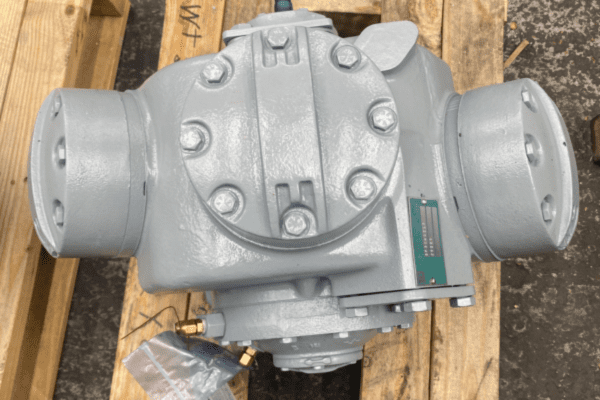
Widely deployed in commercial HVAC and refrigeration systems, semi-hermetic compressors are essential components, renowned for their rugged performance and ease of maintenance. Key models frequently relied upon in demanding operational settings include the Carrier 06D, Carrier 06E, and Copeland 3D series.
However, while these compressors are designed for longevity, their operational life is significantly determined by proper installation, ongoing timely maintenance, and how the system is run. Importantly, when a failure occurs, the compressor itself is rarely the root cause; most issues are traceable to poorly managed system conditions.
For contractors and facility managers, extending compressor life is not about luck. It is about understanding the factors that affect performance and addressing them before they lead to failure.
This blog post outlines the most effective ways to extend the life of semi-hermetic compressors in commercial systems.
Why Compressor Lifespan Matters
Replacing a commercial compressor is expensive, time-consuming, and disruptive. In refrigeration systems, it can also lead to product loss and operational downtime.
Extending compressor life provides:
- Lower operating costs
- Reduced emergency repairs
- Improved system reliability
- Better return on equipment investment
A properly maintained semi-hermetic compressor can operate for many years. Poor system conditions can shorten that lifespan dramatically.
Keep the System Clean and Dry
Contamination is one of the leading causes of compressor failure.
Moisture Control
Moisture in the system leads to acid formation. Acid damages:
- Motor windings
- Bearings
- Internal metal surfaces
Proper evacuation during installation and after service work is critical. Moisture must be removed before the system is charged.
Contaminant Removal
Debris, sludge, and carbon from previous failures can circulate through the system and damage the compressor.
Always:
- Replace filter-driers
- Perform proper system cleanup after failures
- Avoid introducing contaminants during service
Clean systems protect compressors.
Maintain Proper Oil Management
Oil is the lifeline of any commercial HVAC/R compressor.
Why Oil Matters
Oil lubricates internal components and helps dissipate heat. Without proper oil circulation, wear increases quickly.
Best Practices for Oil Management
- Monitor oil levels regularly
- Ensure proper oil return
- Replace contaminated oil
- Verify oil compatibility with refrigerant
Compressors Unlimited typically ships remanufactured compressors with mineral oil or POE oil, based on the known application. In some cases, compressors are shipped without oil due to shipping requirements. The contractor is responsible for ensuring the correct oil type and charge are applied. Oil-related issues are among the most common causes of premature compressor failure.
Control Refrigerant Flow and Superheat
Proper refrigerant control is essential to the health of the compressor.
Avoid Floodback and Slugging
Liquid refrigerant returning to the compressor causes:
- Oil dilution
- Mechanical damage
- Reduced lubrication
Maintaining proper superheat ensures the refrigerant is fully vaporized before reaching the compressor.
Ensure Correct Refrigerant Charge
- Overcharging increases head pressure
- Undercharging reduces cooling and raises the temperature
Both conditions stress the compressor and reduce its lifespan.
Maintain Stable Operating Pressures
Semi-hermetic compressors perform best within stable pressure ranges.
High Head Pressure Problems
High head pressure forces the compressor to work harder, increasing temperature and wear.
Common causes include:
- Dirty condenser coils
- Blocked airflow
- Failed condenser fans
Low Suction Pressure Issues
Low suction pressure reduces cooling and increases discharge temperature.
This can result from:
- Restricted airflow
- Expansion valve issues
- Refrigerant leaks
Maintaining proper pressures protects the compressor from unnecessary stress.
Ensure Proper Airflow
Airflow directly affects system performance.
Condenser Airflow
Poor airflow across the condenser leads to high head pressure and overheating.
Evaporator Airflow
Restricted airflow reduces heat transfer and can cause floodback or low suction pressure.
Routine maintenance should include:
- Cleaning coils
- Checking fans
- Replacing filters
Airflow issues are simple to fix but often overlooked.
Protect Against Electrical Issues
Electrical problems are a major cause of compressor failure.
Common Electrical Risks
- Voltage imbalance
- Low voltage conditions
- Loose connections
- Worn contactors
These issues increase amperage draw and heat inside the compressor.
Best Practices
- Regularly check the voltage balance
- Inspect electrical components
- Replace worn or damaged parts
Stable electrical conditions are essential for long compressor life.
Monitor System Load and Operation
Compressors are designed to operate within specific load conditions.
Avoid Short Cycling
Frequent starts and stops increase wear on motor windings and internal components.
Avoid Continuous Overload
Running a compressor beyond its capacity leads to overheating and accelerated wear.
Proper system sizing and control adjustments help maintain balanced operation.
Address Problems Early
One of the most effective ways to extend compressor life is early detection.
Watch for warning signs such as:
- Rising discharge temperatures
- Frequent safety shutdowns
- Unusual noise
- Oil level changes
- Reduced performance
Addressing these issues early prevents major failures.
Use Proper Installation Practices
Installation quality has a direct impact on compressor lifespan.
Key steps include:
- Proper evacuation and dehydration
- Correct refrigerant charging
- Installing new filter-driers
- Verifying oil compatibility
- Checking system integrity
Poor installation practices often lead to early failure, even with high-quality compressors.
When Replacement Becomes Necessary
Even with proper care, compressors eventually wear out.
Signs that replacement is needed include:
- Electrical failure
- Mechanical damage
- Repeated safety trips
- Severe contamination
When replacement is required, remanufactured compressors provide a reliable solution.
Compressors Unlimited offers remanufactured compressors for:
- Carrier 06D and 06E
- Copeland 3D semi-hermetic systems
These units are rebuilt to OEM standards and tested for performance, offering a cost-effective alternative to new equipment.
Carrier 06E Compressor Experiences Overheating and Oil Issues
A commercial building that has a Carrier 06E HVAC system experienced repeated overheating and oil issues.
Investigation revealed:
- Poor oil return due to piping design
- Dirty condenser coils
- Inconsistent refrigerant charge
After correcting these issues and installing a properly configured remanufactured compressor from Compressors Unlimited, the system operated reliably for years.
The compressor was not the limiting factor. The system conditions were the culprit.
Common Questions About Compressor Lifespan
How long do semi-hermetic compressors last
With proper maintenance, they can last many years, often 8-10 years or longer. Poor system conditions can significantly shorten lifespan.
What shortens compressor life the most
Contamination, poor oil management, improper refrigerant control, and electrical issues are the leading causes.
Can maintenance really extend compressor life
Yes. Proper system care prevents the conditions that cause failure.
Final Perspective for HVAC and Refrigeration Professionals
Semi-hermetic compressors are built for durability, but they rely on proper system conditions to perform at their best.
Maintaining a longer compressor life is straightforward, provided attention is paid to five key areas: oil management, refrigerant control, airflow, electrical stability, and overall system cleanliness. These essential principles are relevant daily for contractors working with Carrier 06E or Copeland 3D systems in the field.