
Commercial Refrigeration Compressors for Industrial Refrigeration Systems: Reliable Selection, Maintenance, and Replacement
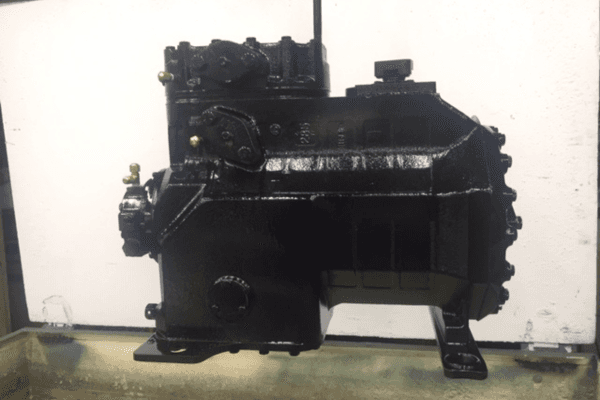
Gain valuable insights into compressors for industrial refrigeration. Learn about efficiency, technology, and best practices to enhance your operations today.
The selection of a compressor for an industrial refrigeration system directly affects the system's efficiency and operating costs. Choosing the correct refrigeration compressor is necessary to achieve reliable performance across applications such as food processing and cold storage. This article examines the selection criteria, recommended maintenance practices, and procedures for replacing compressors in industrial refrigeration systems. It also outlines the principal factors that influence compressor selection and maintenance and describes the options offered by Compressors Unlimited.
Comprehension of these elements improves operational efficiency and supports decisions that balance economic and environmental objectives. This guide provides detailed coverage of compressor types, application-specific uses, energy-efficient technologies, and maintenance strategies intended to reduce downtime and prolong system service life.
Selection, Maintenance, and Replacement of Commercial Refrigeration Compressors
Selecting a commercial refrigeration compressor requires assessment of key factors to ensure system compatibility and operational effectiveness. A rigorous selection process enables organizations to optimize performance, reduce lifecycle costs, and improve reliability.
Selection:
When selecting a compressor for industrial refrigeration, address factors that determine performance. Primarily, define the application's cooling demand, including required temperature setpoints and the volume or area to be cooled.
- Application Type: Different sectors, such as food service, pharmaceuticals, and chemical processing, may require specific compressor types to meet their unique cooling needs.
- Cooling Capacity: Ensure the compressor meets the required cooling capacity for your specific application, as this affects both product quality and system efficiency.
- Refrigerant Compatibility: The selected compressor must be compatible with the system's refrigerants to prevent leaks or inefficiency.
- Size and Efficiency: Choose a compressor that fits the available space while meeting the desired efficiency ratings, helping reduce energy costs.
A clear understanding of these selection criteria is essential for effective refrigeration system operation.
Maintenance:
Routine maintenance of refrigeration compressors is essential to maintain longevity and operational reliability. The practices below reduce the risk of failure and extend service life.
- Routine Inspections: Regular inspections enable early detection of potential issues, such as worn components or refrigerant leaks.
- Professional Maintenance Scheduling: Implementing a maintenance schedule with qualified technicians helps identify and address issues before they escalate, maintaining system integrity.
- Monitoring Common Issues: Being vigilant about common signs of compressor inefficiency, such as fluctuating temperatures and unusual noises, can help prevent costly breakdowns.
Adherence to these maintenance protocols helps facilities maintain smooth, efficient compressor operation over the long term.
Replacement:
Compressor replacement requires consideration of factors that minimize operational disruption while preserving system performance.
- Benefits of Remanufactured Compressors: Choosing remanufactured compressors can offer significant cost savings while maintaining quality. These systems are often remanufactured to meet original operational standards.
- Identical Model Replacement Advantages: Replacing a compressor with an identical model can drastically reduce compatibility issues and installation times, providing a seamless transition to new equipment. This is why many of our customers take advantage of our core exchange program.
- Operational Risks Associated with Failure: Understanding the potential risks associated with compressor failures, such as product spoilage and equipment damage, is crucial for making timely replacement decisions.
On this basis, businesses should perform thorough assessments to determine the appropriate timing for replacement.
What are the key types of compressors used in industrial refrigeration?
Different compressor types fulfill specific roles in industrial refrigeration; understanding these distinctions is critical to system design and operation.
- Reciprocating Compressors: Known for their versatility and efficiency, these compressors utilize pistons to compress refrigerant vapor.
- Screw Compressors: These offer a high degree of reliability and efficiency, making them suitable for large cooling applications.
- Centrifugal Compressors: Recognized for high capacity and efficiency, these compressors use a rotating impeller to compress refrigerant and are ideal for high-flow requirements.
Each compressor type offers distinct advantages suited to applications ranging from cold storage to process cooling.
How do remanufactured and new commercial compressors compare?
Comparisons between remanufactured and new commercial compressors focus on performance, cost, and long-term reliability.
- Performance Levels: New compressors typically offer improved technology and efficiency, while remanufactured units can adequately match performance when properly remanufactured.
- Cost-Effectiveness: Remanufactured compressors often come at a significantly lower price point, providing an attractive option for budget-conscious operations.
- Long-term Reliability Considerations: Proper quality assurance during the remanufacturing process can lead to reliable long-term performance, though some new compressors offer the latest features and warranties.
What distinguishes heavy-duty refrigeration compressors for cold storage?
Heavy-duty refrigeration compressors feature robust construction and are engineered to meet the high demands of cold storage applications.
- Design Characteristics: These compressors are built to endure frequent cycling and extreme thermal loads, ensuring reliability under high-stress conditions.
- Efficiency Metrics: High efficiency is crucial in cold storage due to the constant operational demands. Efficient models minimize energy consumption while maximizing cooling output.
- Specific Cold Storage Applications: Designed for environments that require precise temperature control, heavy-duty compressors are essential for sectors such as food preservation and pharmaceuticals.
Recognition of these characteristics assists in selecting appropriate compressors for cold storage, thereby supporting product integrity and regulatory compliance.
How to select the optimal compressor for industrial refrigeration systems?
Selecting an optimal compressor for industrial refrigeration systems requires a systematic evaluation of key performance metrics.
- Assessment of Key Performance Metrics: Evaluate factors like energy efficiency ratios, refrigeration capacity, and noise levels to find a compressor that meets both functional and operational criteria.
- Capacity Considerations: Ensure that the compressor can handle the required load without oversizing, which can lead to efficiency loss and increased operational costs.
- Energy Efficiency Ratings Evaluation: Prioritize compressors with higher efficiency ratings to reduce operational costs and environmental impact.
A thorough selection process ensures the installed compressor meets system demands and delivers reliable performance.
Which factors influence compressor compatibility and performance?
Awareness of factors that affect compatibility and performance can materially improve system efficiency.
- Cooling Load Requirements: The total cooling load must be compatible with the compressor’s capacity to prevent overloading and inefficiencies.
- Climate Conditions Considerations: Ambient temperature and humidity levels play a crucial role in compressor performance and must be accounted for during selection.
- Refrigerant Types Compatibility: Ensure that the compressor is compatible with the chosen refrigerants to maximize efficiency and minimize the risk of malfunction.
Consideration of these elements contributes to more effective and efficient refrigeration system design.
What are the benefits of energy-efficient compressor technologies?
Investment in energy-efficient compressor technology delivers multiple advantages for industrial refrigeration operators.
- Cost Savings from Energy Efficiency: Energy-saving models often result in lower utility costs by consuming less power during operation.
- Longer Lifespan of Efficient Models: Lower operational strain associated with energy-efficient compressors leads to extended operational lifespans.
- Reduced Environmental Impact: These technologies help reduce the overall carbon footprint of operations, aligning with corporate sustainability goals.
Prioritizing energy-efficient compressor solutions enables organizations to realize economic savings and environmental benefits.
What are the best practices for maintenance and troubleshooting of industrial refrigeration compressors?
Implementing effective maintenance and troubleshooting practices significantly enhances refrigeration system reliability.
- Scheduled Maintenance Practices: Regular inspections and maintenance schedules help identify potential problems early, preventing costly breakdowns.
- Identifying Common Compressor Failure Signs: Awareness of signs such as unusual noises, temperature fluctuations, and leaks can facilitate timely intervention.
- Effective Troubleshooting Techniques: Employing systematic troubleshooting procedures enables technicians to diagnose and resolve issues efficiently.
Establishing these practices ensures compressors achieve extended service life and sustained effectiveness in industrial applications.
How to identify common compressor failure signs?
Early recognition of compressor failure indicators is critical for timely maintenance intervention.
- Unusual Noise Detection: Sounds such as grinding or rattling can indicate mechanical issues and should be investigated promptly.
- Fluctuating Temperatures Monitoring: Inconsistent temperature control can signify compressor inefficiencies or failures.
- Identifying Electrical Issues: Problems such as tripped breakers or malfunctioning start capacitors can lead to compressor failure.
Prompt detection of these indicators permits preventive action and reduces potential downtime.
Which maintenance procedures minimize downtime in process cooling units?
The following maintenance procedures are essential to minimize downtime in process cooling units.
- Regular Inspections: Frequent checks can reveal issues before they become critical, maintaining compressor functionality.
- Common Maintenance Tasks: Tasks such as refrigerant level checks and filter replacements are essential for sustaining optimal performance.
- Addressing Common Issues Promptly: Quick responses to identified problems can significantly decrease downtime and maintain system integrity.
Implementation of these procedures helps maintain smooth and efficient process cooling operations.
Which spare parts and accessories support the longevity of industrial refrigeration compressors?
Maintaining an inventory of correct spare parts and accessories is essential to preserving compressor performance and extending service life.
- Critical Spare Parts: Keeping commonly used components, such as pistons, gaskets, and bearings, in stock ensures replacements can be made quickly when needed.
- Maintenance Tips for Parts Longevity: Regular checks and timely replacements of these parts contribute to smoother operation and fewer breakdowns.
- Impact on Overall Performance: The quality and compatibility of spare parts directly affect the compressor's efficiency and reliability.
An inventory of essential spare parts reduces downtime and improves operational resilience.
Which compressor spare parts are critical for timely replacements?
Certain spare parts are critical to continuous compressor operation and to prevent costly interruptions.
- Essential Spare Parts Overview: Key components such as pistons, valves, and bearings must be readily available for replacement.
- Replacement Schedules: Establishing a schedule for inspecting and replacing these parts can help maintain system performance.
- Performance Impact of Timely Replacement: Proactive replacement of worn components can significantly improve overall compressor efficiency and longevity.
Identifying and stocking critical spare parts enhances system resilience.
How do accessory components enhance compressor system performance?
Accessory components have a significant role in maximizing compressor system efficiency and reliability.
- Importance of Spare Parts: Quality accessories contribute to the compressor's overall functionality and ability to maintain optimal performance.
- Quality Component Impact on Performance: High-quality, compatible accessories can enhance the reliability of compressor operations, reducing the likelihood of failures.
- Proactive Inventory Management Benefits: Ensuring that essential accessories are available as needed can streamline operations and reduce downtime.
The specification and use of quality accessories are crucial for optimal performance and prolonged service life.
How do rigorous testing and quality controls ensure compressor dependability?
Rigorous testing and comprehensive quality control measures are essential to ensure compressor dependability.
- Testing Processes Overview: Comprehensive testing methods include performance evaluations and stress testing under various operational conditions to verify reliability.
- Quality Control Methodologies: Manufacturers implement quality checks throughout the production process to guarantee that components meet or exceed standards.
- Implications for Reliability: Thorough testing enhances the assurance that compressors will operate efficiently and reliably, which is critical in demanding industrial environments.
A documented commitment to quality and testing demonstrates the remanufacturer's focus on delivering dependable compressors.
What emerging trends affect industrial refrigeration compressor technology?
Emerging trends in compressor technology are influencing future efficiency and operational performance.
- Energy Efficiency Advancements: New compressor designs focus on improving energy consumption, which is vital for sustainability and cost savings.
- Emerging Refrigerant Technologies: The adaptation of refrigerants with lower global warming potential (GWP) is driving innovations in compressor design to accommodate new requirements.
- Innovative Materials and Designs: The use of advanced materials is enhancing durability and performance, allowing compressors to handle greater stresses and operational demands.
Monitoring these trends enables organizations to adopt advancements that improve operational outcomes.
How are environmentally friendly refrigerants influencing compressor designs?
The transition to environmentally favorable refrigerants is materially influencing compressor design and operation.
- Compatibility with Low-GWP Refrigerants: The need to accommodate eco-friendly refrigerants accelerates innovation in compressor technologies and materials.
- Design Adaptations for Sustainability: Compressors are being redesigned to operate efficiently with varying refrigerant properties, reflecting a commitment to sustainable practices.
- Regulatory Influences: Stricter regulations on refrigerants push manufacturers to innovate, ensuring their products meet emerging environmental safety standards.
Integration of these refrigerant developments can enhance efficiency and regulatory compliance, supporting sustainability objectives.
What role does predictive maintenance technology play in compressor management?
Predictive maintenance technologies are advancing compressor management by applying data analysis to deliver actionable operational insights.
- Real-time Monitoring Benefits: Continuous monitoring systems provide real-time data on compressor performance, enabling rapid troubleshooting and intervention when anomalies are detected.
- Cost Savings Potential: Predictive maintenance can significantly reduce emergency repairs and unexpected downtime.
- Enhancing Reliability Through Data: By leveraging data analytics, facilities can optimize their maintenance schedules and strategies based on actual performance needs.
Adoption of advanced predictive technologies strengthens compressor management and improves reliability and efficiency.
Frequently Asked Questions About Industrial Refrigeration Compressors
1. What factors should businesses consider when deciding on a compressor replacement?
When evaluating compressor replacement, businesses should consider several key factors. Assess the existing compressor’s age and performance history to determine serviceability. Compare operational costs, energy consumption, and maintenance against potential savings from a newer, higher-efficiency unit. Finally, evaluate compatibility with existing system components and weigh the advantages of remanufactured units versus new equipment.
2. How often should industrial refrigeration compressors undergo maintenance?
Typical maintenance intervals for industrial refrigeration compressors are at least every six months, though frequency depends on operating conditions and duty cycle. High-demand installations may require more frequent inspections and servicing. Develop a maintenance plan tailored to operational parameters and consult qualified technicians to establish an appropriate schedule.
3. What advanced technologies are emerging in compressor design?
Emerging compressor technologies include enhanced energy-saving features, compatibility with low-GWP refrigerants, and the integration of smart systems for predictive maintenance. These developments aim to improve energy efficiency and reduce operational costs while meeting regulatory requirements. Manufacturers also experiment with advanced materials to improve durability and performance under varied operating conditions.
4. What role does refrigerant choice play in compressor selection?
Refrigerant selection is critical to compressor choice because it affects efficiency, performance, and regulatory compliance. Refrigerant thermophysical properties influence compressor design and operating parameters. Select compressors certified for the intended refrigerant to ensure reliable operation and minimize performance loss.
5. How does energy efficiency affect operational costs in refrigeration systems?
Energy efficiency materially affects operational costs because compressors are among the largest energy consumers in refrigeration systems. Investing in high-efficiency compressors reduces utility expenses and overall energy use, and may make systems eligible for incentives or rebates. Lower operational strain on efficient models can also reduce maintenance requirements and contribute to long-term savings.
6. What common issues may arise with industrial refrigeration compressors?
Common compressor issues include refrigerant leaks, temperature instability, and atypical noises indicative of mechanical failure. Electrical faults, such as tripped breakers or malfunctioning start capacitors, and inadequate lubrication can also provoke failures. Regular inspections and maintenance facilitate early detection and timely corrective action.
7. What benefits does implementing predictive maintenance provide for compressors?
Predictive maintenance delivers benefits including improved reliability and reduced downtime. Real-time monitoring and data analytics enable early anomaly detection and proactive maintenance, preventing unexpected failures. A data-driven approach can extend compressor life, optimize maintenance intervals, and lower lifecycle costs.
Compressors for Industrial Refrigeration Systems
Choosing the right commercial refrigeration compressor is crucial for optimizing performance and reducing operational costs within industrial settings. Understanding selection, maintenance, and replacement protocols offers significant advantages, including extended system longevity and enhanced efficiency. By prioritizing reliable and compatible components, businesses can achieve sustainable operations that align with modern efficiency standards. Explore our extensive selection of top-quality compressors and accessories to ensure your refrigeration system runs at its best.