
Does Your Commercial Refrigeration System Need a New Compressor If It Keeps Restarting After Pump-Down?
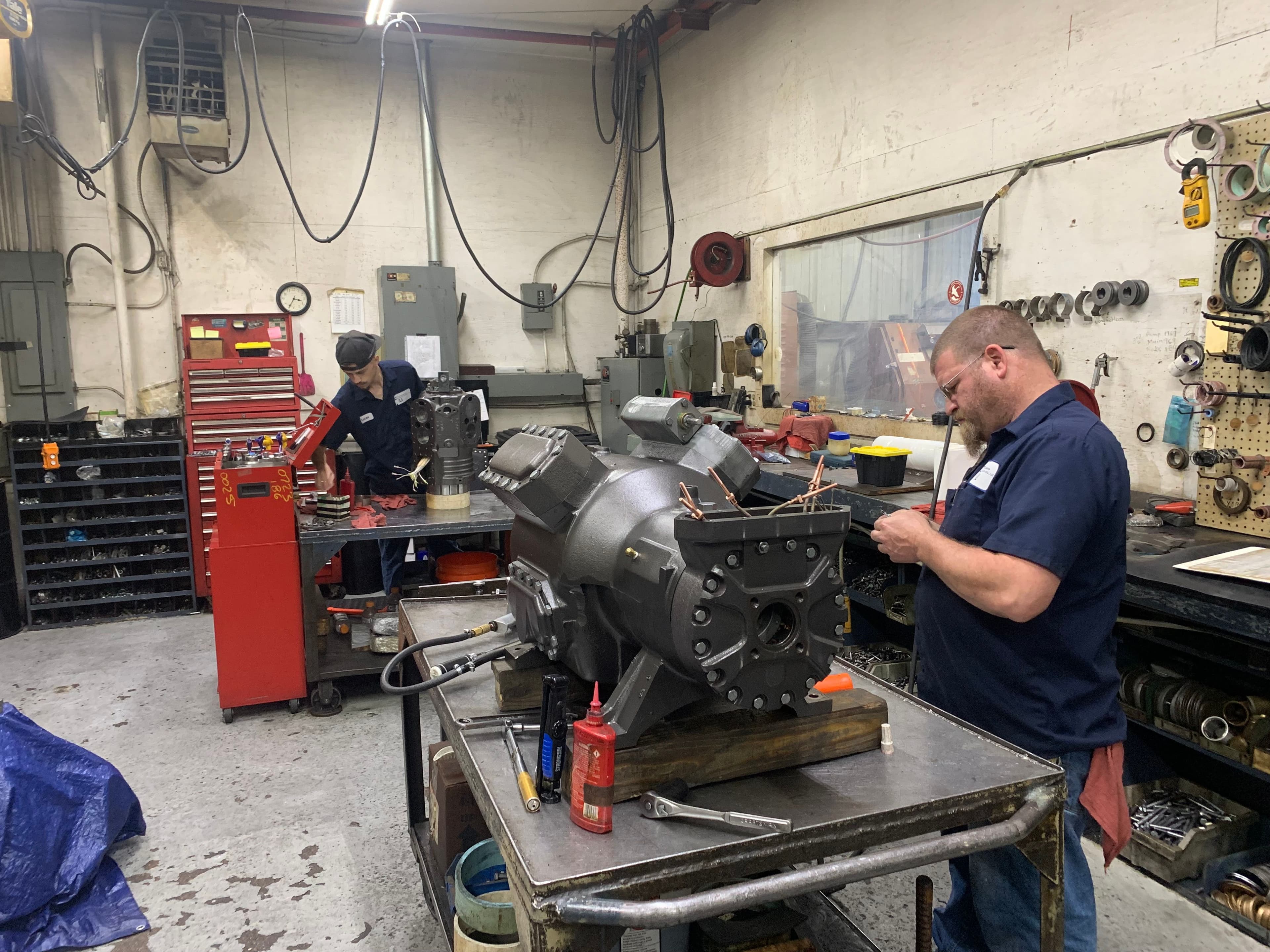
Repeated restarts after pump-down can leave commercial refrigeration buyers wondering whether they need a new compressor. Learn what your technician should verify, when replacement may be appropriate, and which application details to provide when requesting a quote for a compatible replacement.
A walk-in freezer reaches temperature, the compressor shuts off, and then it starts again shortly after. The pattern repeats even with no apparent demand for cooling. For a grocery store maintenance manager, cold-storage operator, or commercial refrigeration contractor, the immediate question is whether to repair the controls or start looking for a replacement compressor.
Repeated restarting after pump-down doesn't automatically mean the compressor requires replacement. The decision depends on the system’s intended control sequence, why suction pressure is rising, and whether testing confirms an internal compressor problem. If you are shopping for a commercial refrigeration compressor because of this symptom, a documented diagnosis will help you order the right equipment and address the problem that caused the repeated starts.
What Should Happen During Pump-Down?
In a typical automatic pump-down arrangement, the temperature control closes a liquid-line solenoid valve when cooling demand is satisfied. The compressor continues running briefly, moving refrigerant from the low-pressure side into the condenser and receiver. A low-pressure control then stops the compressor at the specified cut-out point.
Copeland’s explanation of the pump-down cycle describes its purpose as isolating refrigerant during the off period to help prevent migration into the compressor crankcase. This is an operating sequence within the refrigeration system, not the same thing as evacuating equipment with a vacuum pump during service.
Before interpreting a restart, the technician needs to identify how that particular system is designed to operate. This article applies to commercial refrigeration equipment that uses pump-down control. Evaluate a supermarket rack or another system with a different control strategy according to its own sequence.
Is Restarting After Pump-Down Always Abnormal?
A recycling pump-down arrangement can restart the compressor when suction pressure reaches the low-pressure control’s cut-in point, even without a new cooling demand. A non-recycling arrangement generally permits one pump-down per cooling cycle and prevents another start until the controls authorize it.
Those approaches are not interchangeable fixes. The correct arrangement depends on the compressor and equipment manufacturer’s requirements. Changing the control logic merely to silence repeated starts can leave the underlying refrigerant-control problem unresolved.
For the buyer, the useful question is why the system keeps reaching a condition that causes another start. As the technician, you should record the timing, pressure changes, and control signals. “It keeps cycling” describes a symptom. It does not identify which component should be replaced.
What Should Be Checked Before Condemning the Compressor?
Start by establishing whether the system is actually calling for cooling again. Temperature controls, defrost operation, and other commands can change the operating sequence. As the technician, compare the observed behavior with the wiring diagram and controller settings rather than assuming every restart happens during a satisfied cooling cycle.
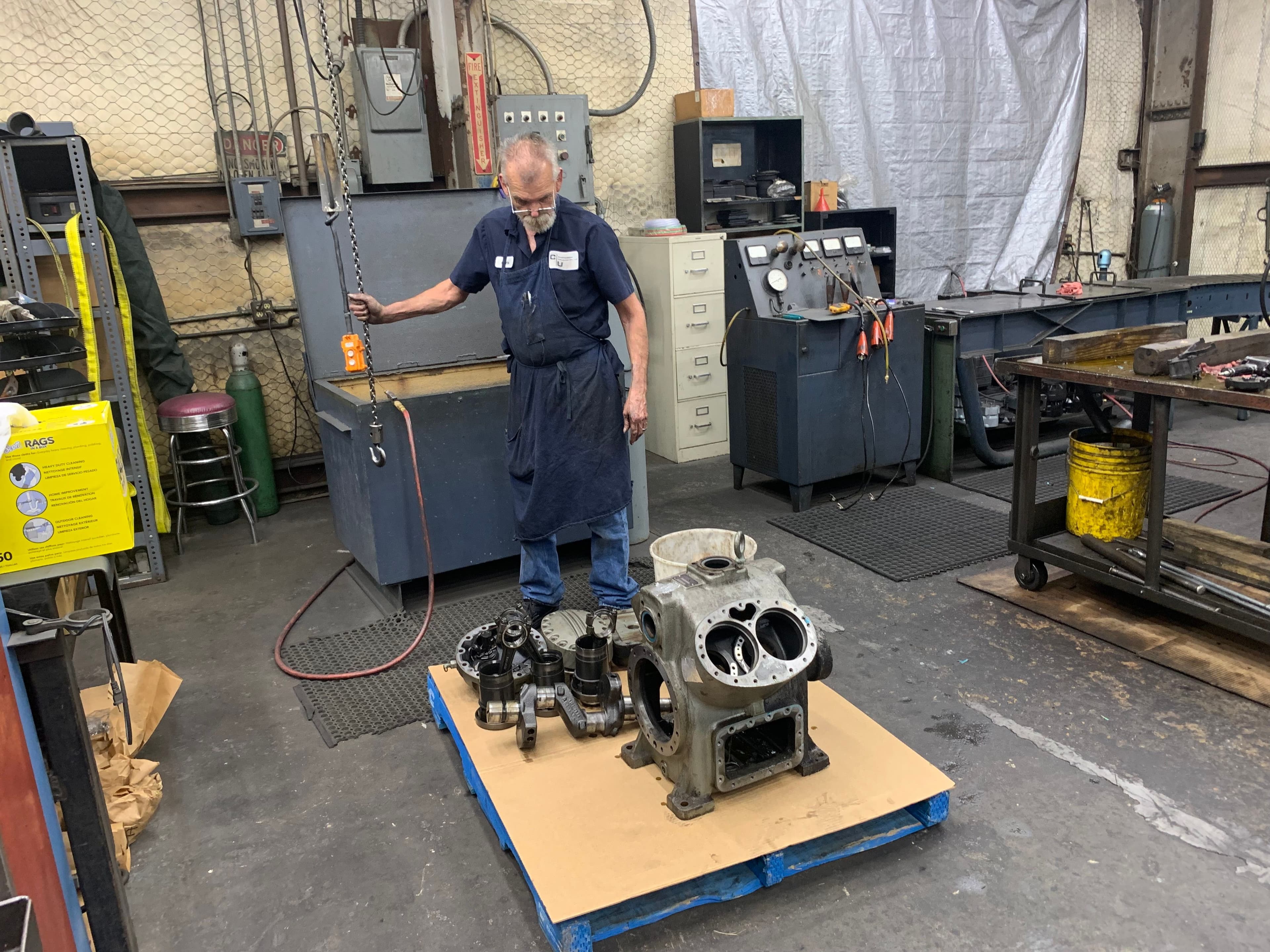
The liquid-line solenoid also needs attention. A valve that is commanded closed but allows refrigerant through can contribute to rising suction pressure after shutdown. Confirming the electrical command alone does not establish that the valve is sealing. The service report should explain what was tested and whether the valve’s operation was verified.
Other refrigerant paths can matter on more complex systems. Copeland’s guidance for pump-down systems with hot gas bypass explains why those arrangements need appropriate shutoff provisions. This is one reason a diagnosis must consider the complete system rather than only the compressor and its liquid-line valve.
Finally, you should verify the low-pressure control and applicable settings. No single cut-in or cut-out pressure suits every refrigerant and application. Moving a setting until the noise stops is not a reliable substitute for finding the cause.
When Does Compressor Replacement Become the Right Decision?
Replacement becomes a reasonable option when qualified testing identifies a compressor defect, and the repair assessment supports replacing the unit. The report should connect that conclusion to specific findings, such as confirmed internal leakage, mechanical damage, or an electrical failure. A pressure rise after shutdown alone does not establish where refrigerant is coming from.
Copeland’s guidance on evaluating compressor operation calls for comparing operating measurements with compressor specifications. It also cautions against judging performance by closing the suction valve to see how low the compressor will pull. Testing should follow the procedure applicable to the actual compressor.
Before approving a purchase, ask your contractor two questions: What test supports replacing this compressor, and what else needs repair before the replacement is started? Clear answers help distinguish a necessary equipment purchase from a control repair that might resolve the complaint.
What Information Helps You Order the Correct Replacement?
Once replacement is justified, provide the supplier with the complete compressor model and serial numbers, along with the equipment identification. A clear nameplate photograph is better than an abbreviated model number relayed over the phone. Include the technician’s findings so the supplier understands the application and the reason for replacement.
For an accurate quote, gather:
- The refrigerant currently used and the oil requirements.
- Whether the system serves medium- or low-temperature refrigeration.
- Voltage, phase, and frequency.
- Available operating readings and required capacity at the application conditions.
- Capacity-control, mounting, connection, and accessory requirements.
- The delivery location and planned installation date.
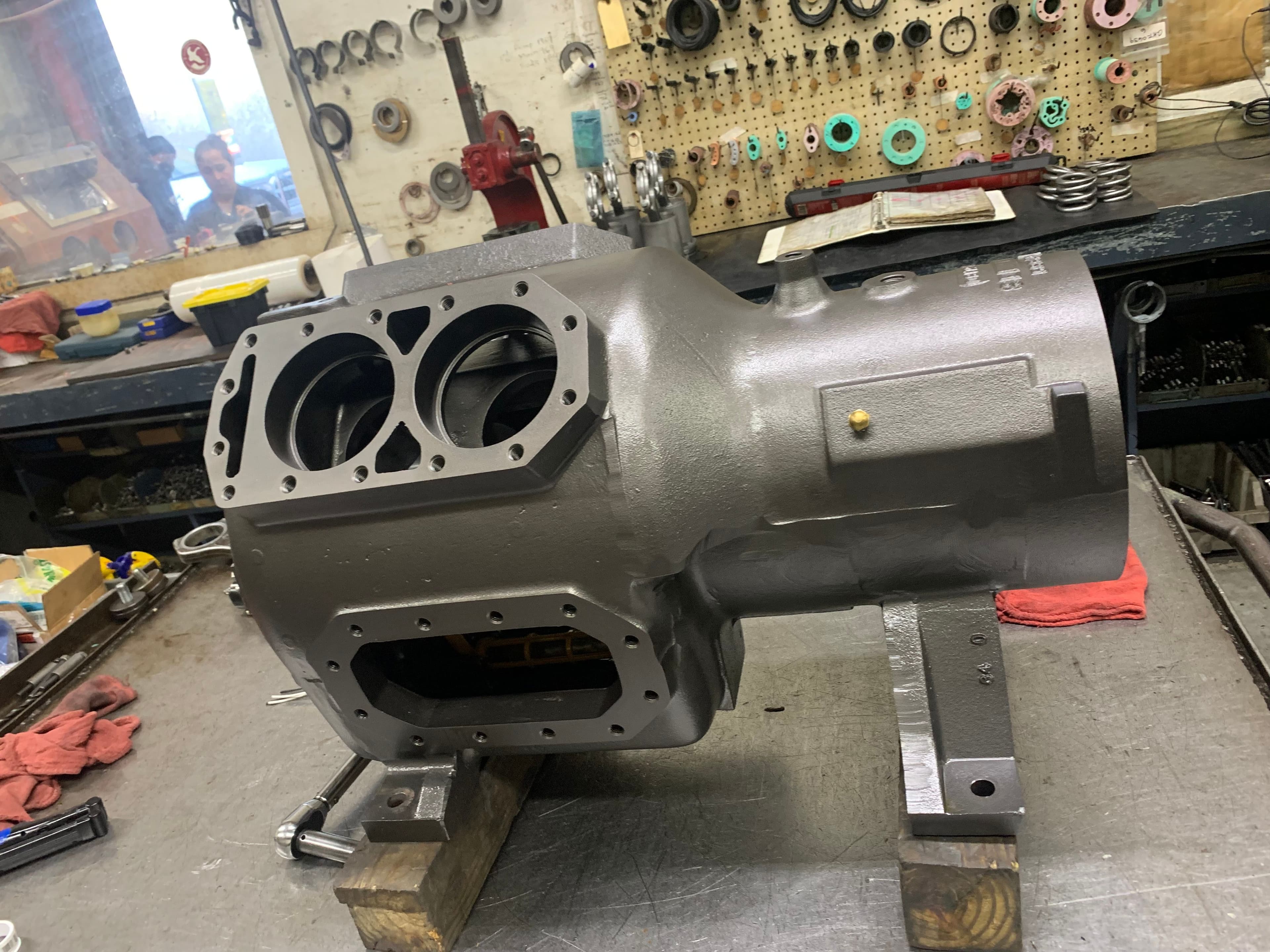
A replacement for a freezer must suit that freezer’s operating conditions. Matching horsepower alone is not enough. Compressors Unlimited’s commercial refrigeration compressor offerings serve applications including walk-in coolers, freezers, and refrigerated warehousing, where the application details are central to selection.
Could a Remanufactured Compressor Fit the Job?
A remanufactured compressor may be worth considering when a compatible unit is available and replacing the compressor is appropriate for the condition of the surrounding equipment. Compare the proposed configuration, availability, included components, core-exchange requirements, and limited warranty terms before approving the order.
For buyers replacing an existing Copeland unit, Compressors Unlimited’s remanufactured Copeland compressor inventory provides a starting point for a quote. We would confirm the complete replacement against the existing model and application. A family name or similar-looking housing does not establish compatibility.
Keep the purchasing decision tied to the diagnosis. If the liquid-line solenoid or control sequence also needs repair, include that work in the installation plan. A replacement compressor does not correct a separate fault elsewhere in the refrigeration system.
Verify the Repair Through the Full Operating Cycle
Before the contractor closes out the job, have the system checked through cooling, pump-down, the off period, and the next authorized start. The record should show whether the repeated restarting has been resolved and whether the replacement operates within the applicable manufacturer requirements.
Keep the final readings, control settings, replacement identification, and repair notes with the equipment records. If the symptom returns, that information gives the service team a baseline instead of forcing them to reconstruct what happened during the replacement.
If you or the technician confirms you need a commercial refrigeration compressor, contact Compressors Unlimited with the nameplate photographs, application details, and service findings. That gives the team the information needed to review replacement options while your contractor addresses the system conditions that contributed to the problem.