
Commercial Compressor Core Exchange: What to Know Before You Order
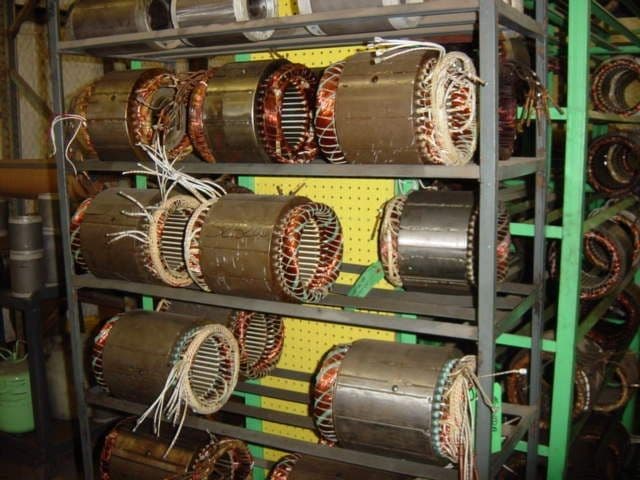
A compressor quote may include a core charge, but receiving the expected credit takes planning. Learn what to confirm about core eligibility, return deadlines, freight, packaging, and paperwork before ordering your replacement, so the contractor, facility team, and accounting department understand their responsibilities.
When a commercial HVAC/R compressor fails, ordering a replacement usually takes priority over everything else. The contractor needs the right unit, the facility manager needs a delivery date, and accounting needs a price. Somewhere in that conversation, the core charge comes up. Understanding that charge before approving the order can prevent confusion when the invoice arrives and the old HVAC/R compressor is ready to leave the jobsite.
A commercial compressor HVAC/R core exchange lets a buyer return an eligible used compressor for credit toward a replacement purchase. The amount credited depends on the supplier’s terms, including the identity and condition of the returned core. For the buyer, the job involves more than ordering a replacement. It also means arranging the return, keeping the paperwork together, and making sure the credit reaches the correct account.
What Is a Compressor HVAC/R Core?
In this context, the core is the used compressor being returned for evaluation and possible remanufacturing. It isn't just a loose internal component or a pile of scrap metal. Before removing accessories or preparing the shipment, ask the supplier what must remain with the compressor and what, if anything, needs to be transferred to the replacement.
A failed compressor can still have value as a core, but failure alone does not tell you whether it qualifies for full credit. The supplier needs to determine whether the returned unit meets its acceptance requirements. That is why a technician’s description of the failure, clear photographs, and the complete model number help before anyone assumes the credit is guaranteed.
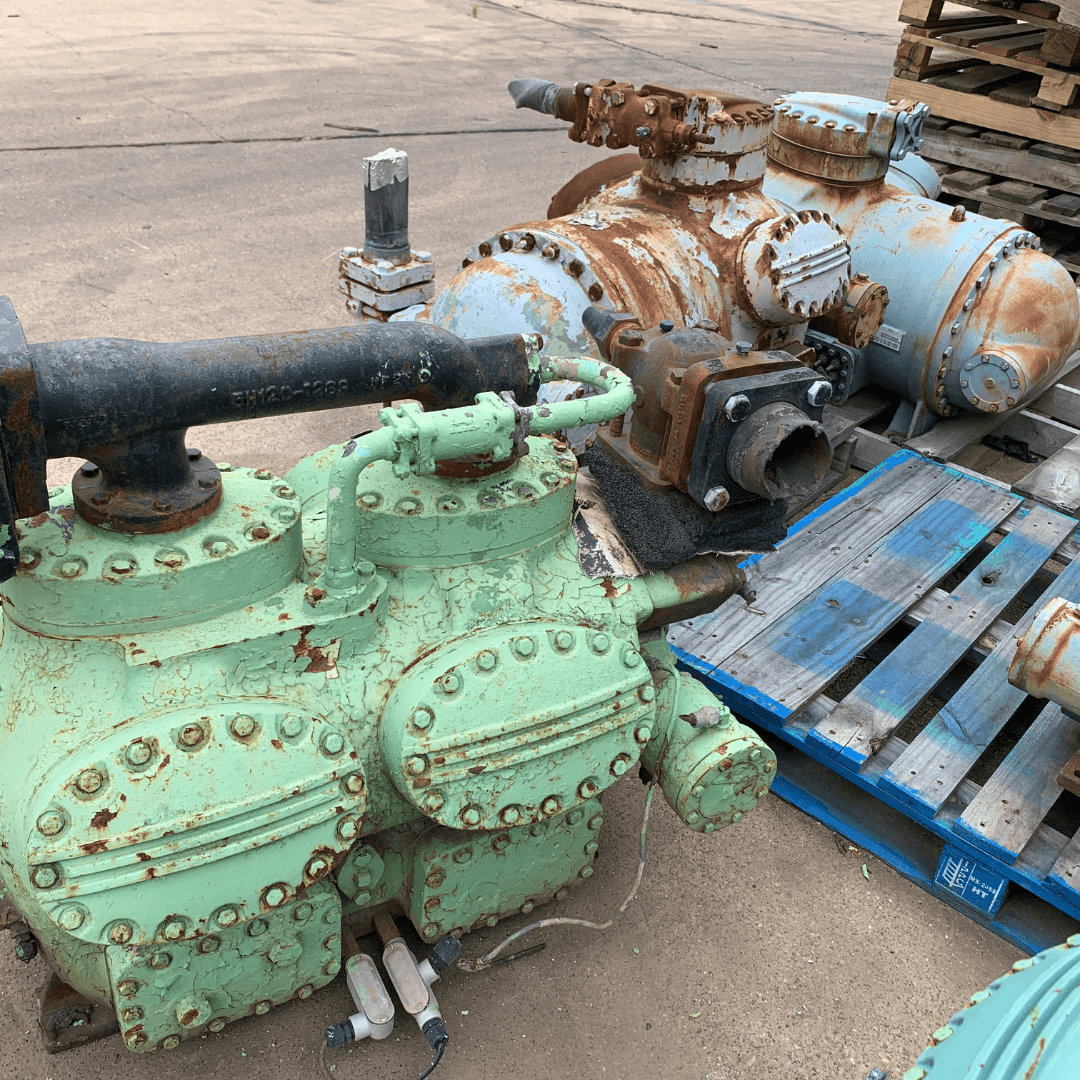
Compressors Unlimited’s core exchange program lists families including Carrier 06D, 06E, 5H and Copeland 3D, 4D, 6D, 8D and 5F. Those family names provide a starting point for the conversation. Buyers should still confirm eligibility for their specific compressor and order.
How Does the Core Charge Affect Your Quote?
The core charge is an amount associated with returning an acceptable used compressor. When reviewing a quote, identify whether that charge appears separately or is included in the total. Then ask how much credit is available and what conditions you must meet to receive it. A quoted price is easier to evaluate when everyone understands the amount due initially and the expected cost after an approved return.
For example, when a facility manager compares two quotes, they should check whether both include the same costs. One quote might list the compressor and core charge separately, while another combines them. Also account for outbound shipping, return freight, and other charges. Comparing only the largest number on each quote can leave out expenses that affect the purchasing decision.
Give accounting the written exchange terms when the order is approved. That allows the person handling payment to track the expected credit and recognize when it has been applied. It also helps prevent an unresolved core charge from being mistaken for an incorrect invoice.
What Determines Whether You Receive Full Core Credit?
Core credit depends on the supplier’s acceptance criteria and the condition of the compressor it receives. Before ordering, explain any known damage, missing components, previous disassembly, or uncertainty about the unit’s identity. Ask how those conditions could affect acceptance instead of waiting until the compressor reaches the receiving dock.
Clear photographs can make that conversation more productive. Include the nameplate, the overall compressor, and close views of visible damage. If the nameplate is missing or difficult to read, tell the supplier before shipping. Photographs can help with an initial discussion, but they should not replace an inspection or written acceptance terms.

Avoid removing components simply because the old compressor no longer runs. A part that seems unimportant on the jobsite may matter in the supplier’s evaluation. Confirm which accessories belong with the return and which are needed for the installation. That conversation is especially useful when several people are working on the replacement.
When Does the Core Need to Be Returned?
Confirm the return deadline on the order before scheduling the replacement. Ask which event starts the return period and whether the deadline refers to carrier pickup or receipt at the supplier’s facility. Those details matter when shipping equipment across the country or when the installation requires a planned shutdown.
Consider a replacement that arrives before a facility’s scheduled maintenance weekend. If the old compressor cannot be removed until that shutdown, the return schedule needs to account for the delay. Discuss the installation date with the supplier before approving the purchase, and get any agreed adjustment documented.
Assign responsibility for the return at the same time. The contractor may remove the compressor, the facility may arrange freight, and accounting may track the credit. Without a clear handoff, the old unit can sit in a mechanical room even though everyone believes someone else is handling it. A named contact and a pickup plan help keep the exchange moving.
Who Handles Return Freight and Packaging?
Return freight should be part of the quote discussion. Confirm who schedules the carrier, who pays the freight bill, where the compressor must be delivered, and whether a return authorization is required. Do not assume the outbound shipment automatically includes transportation for the used core.
The pickup location matters, too. Tell the person arranging freight whether the site has a loading dock, suitable loading equipment, restricted access, or limited receiving hours. These details can affect scheduling. Identifying them early is easier than solving a loading problem after the truck arrives.
Ask the supplier for preparation and packaging instructions specific to the compressor and shipping method. Confirm oil-handling requirements, sealed connections, and load-securing with the contractor and carrier. If the replacement arrives in reusable packaging, ask whether that packaging is suitable for the return before discarding it.
For general packaging guidance, FedEx explains how shipping crates protect heavy items from shifting, shock, and vibration. The compressor supplier’s instructions and the selected carrier’s requirements should determine how you prepare the return.
What Paperwork Should Stay With the Return?
Ask which identifiers the supplier needs to connect the returned compressor to your purchase. Depending on the order, that may include an invoice number, purchase order number, return authorization, model number, or serial number. Keep copies in the job records and follow the supplier’s labeling instructions.
This is especially important when a contractor replaces compressors at several properties. Similar-looking units can be confused, and a return without clear identification can take longer to match to an account. Tagging the compressor when you remove it is a practical way to preserve its connection to the correct job.
Keep photographs of the unit before packaging, the completed shipment, and the shipping documents. Save tracking information and delivery confirmation as well. These records give the contractor, customer, supplier, and carrier a common reference if questions arise about what was shipped or when it arrived.
When Will the Core Credit Be Applied?
Ask about credit processing before placing the order. Delivery confirmation confirms the shipment arrived, but it doesn't necessarily mean the core has been inspected and approved. Find out what happens after receipt, how approval is communicated, and whether the credit will appear on the account or be handled another way.
The person responsible for the purchase should keep the exchange open in the job records until the credit is resolved. If the expected credit has not appeared, provide the supplier with the order details and return tracking information. Having those records together makes the follow-up more straightforward.
Core credit and warranty coverage should also be understood separately. Returning an acceptable core addresses the exchange portion of the purchase. Questions about the replacement compressor’s limited warranty should be reviewed under the applicable warranty terms.
Put the Exchange Details in Writing Before Ordering
A compressor replacement involves enough coordination without leaving the return process undecided. Before approving the purchase, make sure the quote identifies the core charge, acceptance conditions, return deadline, freight responsibility, and credit process. Share those details with the contractor, facility contact, and accounting team so each person knows what needs to happen.
If you are preparing to order, contact Compressors Unlimited with the complete compressor model number, nameplate photographs, known damage, and your planned installation date. Reviewing those details before the order is placed gives everyone a clearer understanding of the replacement and the core return.