
Can You Replace Just One Compressor in a Commercial Refrigeration Rack?

A failed compressor does not always mean a grocery store needs a new refrigeration rack. Learn what contractors should evaluate before replacing a unit, including storm damage, compressor compatibility, shared oil systems, and controls, so the repair addresses the cause of the failure.
For a grocery store recovering from a hurricane or any other natural disaster, getting refrigeration back online is one of the first priorities. A freezer aisle that will not hold temperature creates immediate questions about inventory, repairs, and when the store can reopen. For businesses along the Gulf Coast, such as the Florida Panhandle and the Atlantic coast, assessing equipment after a storm can raise an expensive question: Does the entire refrigeration rack need to be replaced?
Yes, you can often replace just one compressor in a commercial refrigeration rack, provided the replacement is compatible, the remaining equipment is serviceable, and you've corrected the cause of the failure. However, that decision requires inspecting the shared system. Flood damage, electrical problems, or contamination can make the repair more involved than replacing the compressor that stopped running.
Why One Failed Compressor Does Not Always Mean a Failed Rack
A parallel refrigeration rack uses multiple compressors working together to serve refrigeration loads. Within a suction group, compressors share common piping, and the rack controller brings capacity on or off as demand changes. This arrangement helps a store maintain temperatures as conditions change throughout the day.
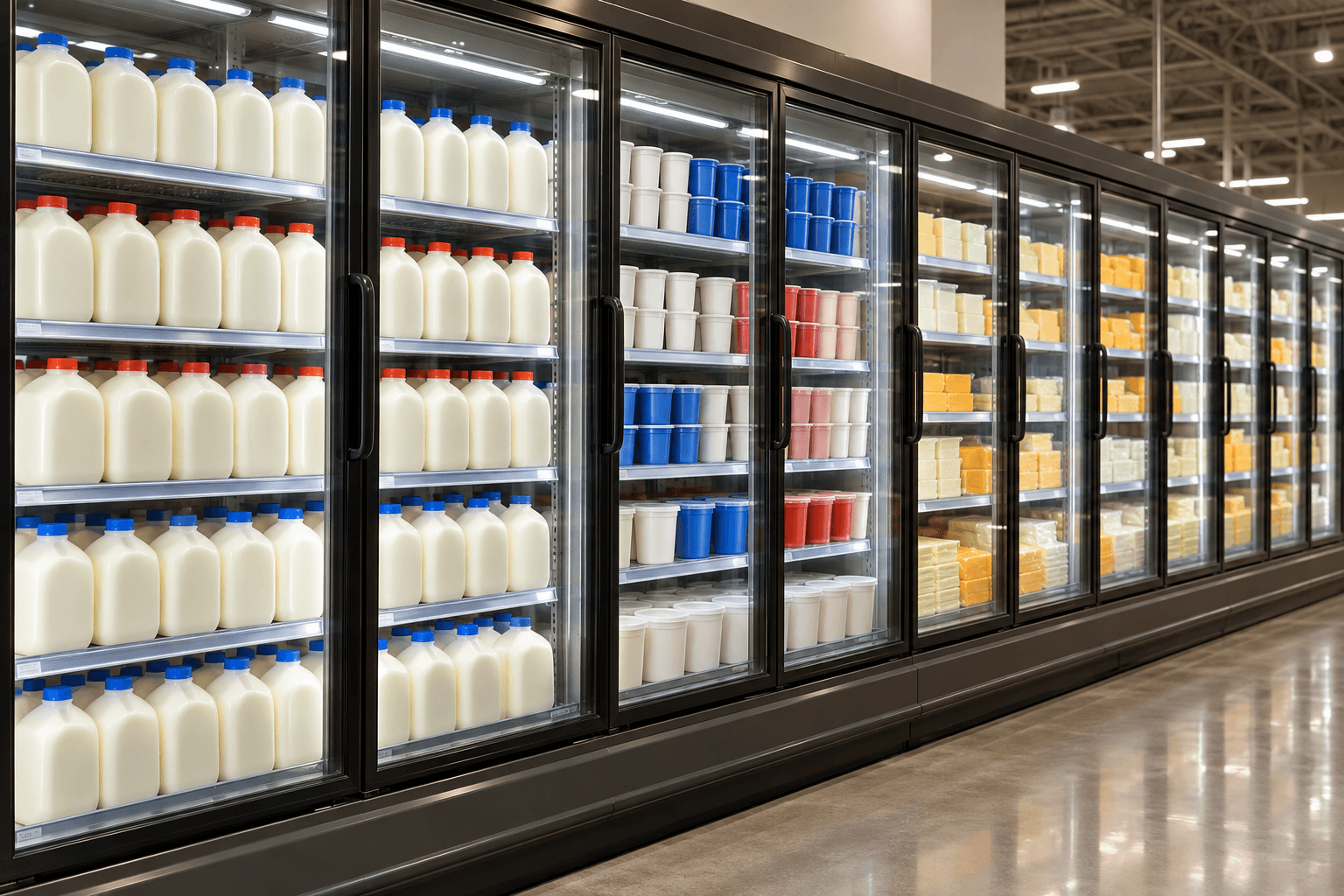
Because the compressors are individual components, one can fail while the others remain usable. A properly selected replacement may allow the store to keep its existing rack, controls, and other serviceable equipment. That is one reason refrigeration compressors for supermarkets and retail stores should be evaluated in the context of the whole system. The important question is whether the problem is isolated or whether the failed compressor is showing the effects of a larger issue.
After a Hurricane or Other Natural Disaster, Inspect the Damage Before Ordering a Replacement
A power interruption and a flooded equipment room present different problems. A compressor that will not restart after an outage may have a failed electrical component, a protective control that has opened, or an actual motor failure. A qualified commercial refrigeration contractor should establish which condition exists before a replacement is ordered. Repeatedly resetting a control does not establish that the equipment is safe to run.
Floodwater exposure requires particular caution. Electrical equipment can remain hazardous after its exterior looks dry, and saltwater residue adds corrosion and conductivity concerns. Keep affected equipment deenergized until qualified personnel have evaluated it and determined what requires replacement or manufacturer-approved reconditioning. Replacing one compressor does not resolve water damage to the rack’s control panel, wiring, or protective devices.
The assessment should also include the condenser, refrigerant piping, and equipment supports. Wind damage or debris may have affected components outside the equipment room. Before deciding on the repair, the contractor needs to understand what happened to the system as a whole, including any conditions that could damage the replacement.
Match the Replacement to Its Job in the Rack
Choosing a refrigeration rack compressor replacement takes more than matching horsepower or finding a unit that fits the mounting rails. The contractor needs the complete compressor model number, electrical configuration, refrigerant, application temperature range, and capacity at the rack’s actual operating conditions. Connection locations, oil requirements, motor protection, and unloading arrangements also need to match the application.
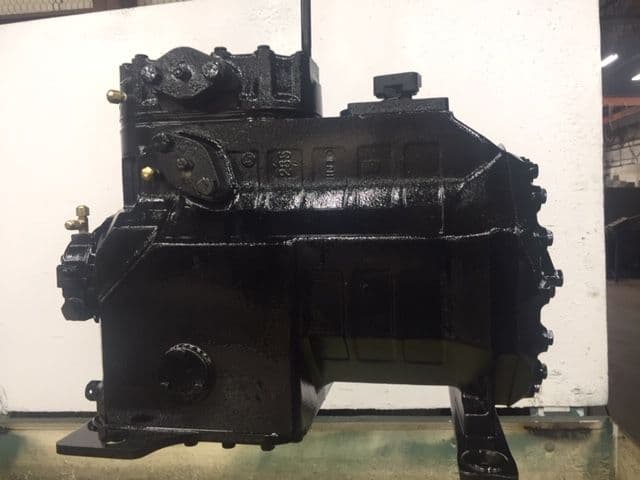
Compressors Unlimited’s remanufactured Copeland compressor inventory includes 3D, 4D, 6D and 8D series units. Those family names help narrow the search, but they do not make the compressors interchangeable. Two units with similar descriptions may have different capacities or application requirements. The full model and configuration still need to be verified before ordering.
A contractor can use Copeland’s compressor selection and cross-reference tools to help check the proposed replacement. If the original model is no longer available, contact one of our technicians to help you through the remanufacturing process of your existing unit. Check the Shared Oil System and the Cause of Failure
Replacing a compressor that failed from inadequate lubrication will not solve the problem if its oil supply remains faulty. On racks with a shared oil management system, the contractor should evaluate the oil separator, reservoir, oil supply components, and individual compressor level controls as applicable to the design. The replacement needs the correct lubricant and a dependable way to maintain its required oil level.
Copeland’s explanation of its electronic oil management control describes the control’s role in maintaining oil in the compressor crankcase. That is an important distinction for a rack repair: having oil somewhere in the system does not establish that each compressor is receiving what it needs.
An electrical burnout also calls for an assessment of contamination in the connected refrigerant circuit. The cleanup plan should follow the equipment manufacturer’s procedures and the findings from testing. A single failed compressor does not automatically mean every compressor must be replaced, but it also does not justify assuming that the shared piping and oil system are clean.
Confirm That the Rack Controller Matches the Compressor Replacement
The rack controller needs an accurate picture of the equipment it operates. Compressor type, capacity, unloading capability, and control connections affect how it adds or removes cooling capacity. After replacement, the technician should confirm that the controller settings and protective functions are appropriate for the installed unit.
This matters especially when the replacement differs from the original configuration. A change that seems minor on the purchasing side may require a control adjustment or a closer review of how the compressors operate together. Startup should include observing the rack as its cooling demand changes, rather than judging the repair only by whether the replacement starts.
Can the Store Operate With One Compressor Out of Service?
Sometimes a rack can operate temporarily with one compressor unavailable, but that is a separate decision from whether the compressor can be replaced individually. The contractor must determine whether the failed unit can be safely isolated and whether the remaining equipment can meet the required load within its operating limits. A rack with several compressors is not necessarily designed with enough spare capacity to lose one without affecting performance.
Following an extended outage, warm cases and walk-ins may create a different load from normal operation. Store management and the contractor may need to arrange temporary refrigerated storage or keep affected departments out of service. The decision should be based on verified temperatures and equipment performance, not simply on the sound of the remaining compressors running.
Restoring cooling also does not make previously compromised food safe. The FDA’s guidance for grocery stores reopening after hurricanes and flooding calls for checking that refrigeration equipment can consistently maintain required temperatures before food is placed back into it. Stores affected by a disaster should coordinate reopening with the appropriate state or local regulatory authority.
When a Larger Repair or Rack Replacement Deserves Consideration
A single compressor replacement is most promising when the damage is limited, the other equipment is in serviceable condition, and a suitable replacement is available. It becomes a less straightforward choice when several compressors are failing, floodwater has damaged electrical systems, or the rack has a history of recurring problems.
In those situations, ask the contractor to compare the complete repair scope with a broader replacement plan. Include damaged controls, required cleanup, refrigerant work, labor, and expected downtime in that discussion. A compressor-only quote cannot answer the larger question if substantial repairs are needed elsewhere. The aim is to restore dependable refrigeration with a repair that addresses the actual damage.
Get the Information Needed for the Right Replacement
Before contacting a supplier, gather clear photographs of the compressor and rack nameplates, the complete model and serial numbers, electrical specifications, and the refrigerant currently in use. Include the contractor’s diagnosis, any known modifications, and whether the equipment experienced flooding or other storm damage. These details help the supplier evaluate the request and reduce avoidable ordering delays.
Compressors Unlimited supplies remanufactured commercial refrigeration compressors and can help contractors identify replacement options. Its remanufactured units include a 12-month limited warranty. If your contractor has determined that an individual replacement is appropriate, contact Compressors Unlimited with the equipment details to confirm compatibility, current availability, and shipping options.