
A Guide to Commercial AC Compressor Systems
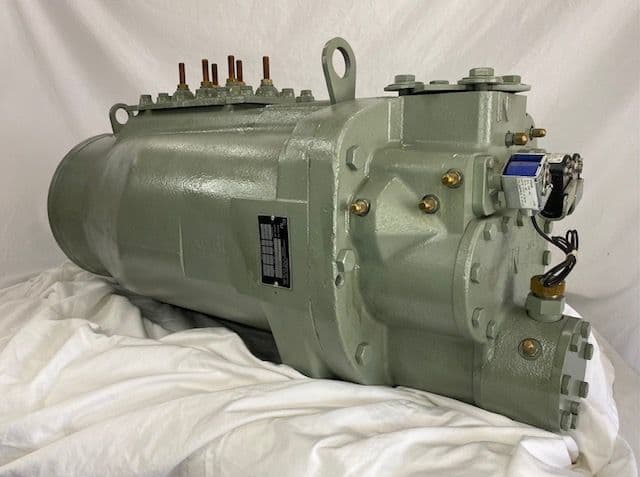
Looking for the best commercial AC compressors for your HVAC system? Check out these top picks that enhance efficiency and performance in large buildings.
Compressors for commercial air conditioning systems sit at the center of the refrigerant cycle, pressurizing refrigerant so it can circulate through every downstream component. Compressors Unlimited has supplied remanufactured and new units since 1985, backing each one with a 12-month limited warranty and shipping nationwide and internationally to keep commercial systems running.
Commercial air conditioning systems depend on compressors to pressurize refrigerant and drive the entire cooling cycle. Three distinct compressor styles serve commercial HVAC applications, and matching the right style to a given system is one of the most consequential decisions in any installation. Compressors Unlimited supplies remanufactured units from brands including Bitzer, Carrier, Copeland, Frascold, Hitachi, Trane, and York, serving clients nationwide from Dallas for over 40 years.
Key Takeaways For Your Commercial HVAC Compressor System
- HVAC compressors increase gas pressure by decreasing volume in commercial air conditioning systems.
- Compressors Unlimited offers 12-month limited warranties on all remanufactured units shipped nationwide.
- Commercial systems require selecting from multiple compressor styles for optimal performance and efficiency.
- Compressors Unlimited accepts York DXS, Carrier 5H, Copeland, Bitzer, Frascold, and other model cores for exchange.
What Role Does a Compressor Play in Commercial AC?
A commercial AC compressor is the central working component in any HVAC system compressor assembly; it pressurizes refrigerant and keeps it moving through every downstream stage of the cooling cycle. Without a functioning compressor, the refrigerant loop stalls entirely, and large building AC units lose all capacity to transfer heat.
The compressor sits at the center of the refrigerant cycle. Every other component- the condenser, expansion valve, and evaporator- depends on the pressure differential the compressor creates. Remove that pressure, and the system cannot move thermal energy at all.
What Happens to Refrigerant After It Leaves the Compressor?
Refrigerant exits the compressor as a high-pressure, high-temperature vapor. That elevated state is precisely what allows the refrigerant to release heat effectively in the condenser. The entire heat-transfer sequence downstream depends on the compressor delivering refrigerant at the correct pressure and temperature.
Why Does Compressor Health Affect the Whole System?
The compressor does not operate in isolation. When other components degrade or sustain damage, the compressor works harder to maintain pressure, a pattern that accelerates internal wear and shortens its service life. Facility managers who allow a failing condenser or a refrigerant leak to go unaddressed often find the compressor is the next component to fail.
Key consequences of compressor overload include:
- Accelerated mechanical wear on internal components
- Reduced cooling output across the entire system
- Shortened service life, increasing capital replacement costs
Protecting the compressor means maintaining every connected component. A system is only as reliable as its weakest link, and when that link breaks, the compressor typically pays the price.
Which Compressor Types Serve Large Building AC Units?
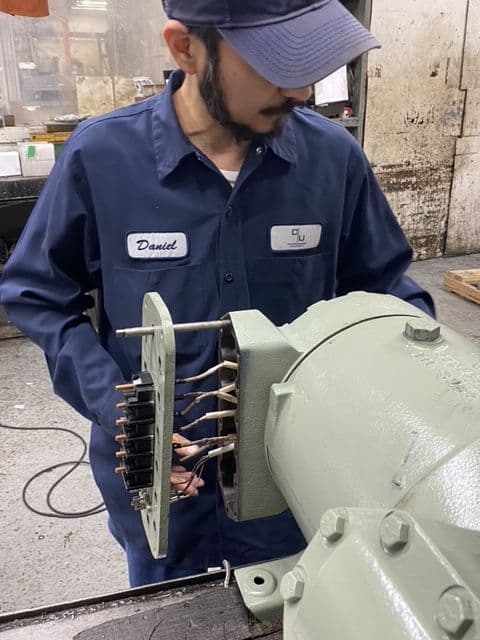
Large building AC units rely primarily on three compressor configurations: reciprocating, screw-type, and centrifugal. Reciprocating and screw-type designs handle the vast majority of commercial installations, while centrifugal compressors are reserved for the very largest facilities.
Selecting the wrong configuration carries real financial consequences. A commercial AC compressor matched precisely to its application can save thousands of dollars annually in energy costs, while a mismatched unit absorbs those losses across every billing cycle.
What Are the Main Compressor Types Used in Commercial HVAC Systems?
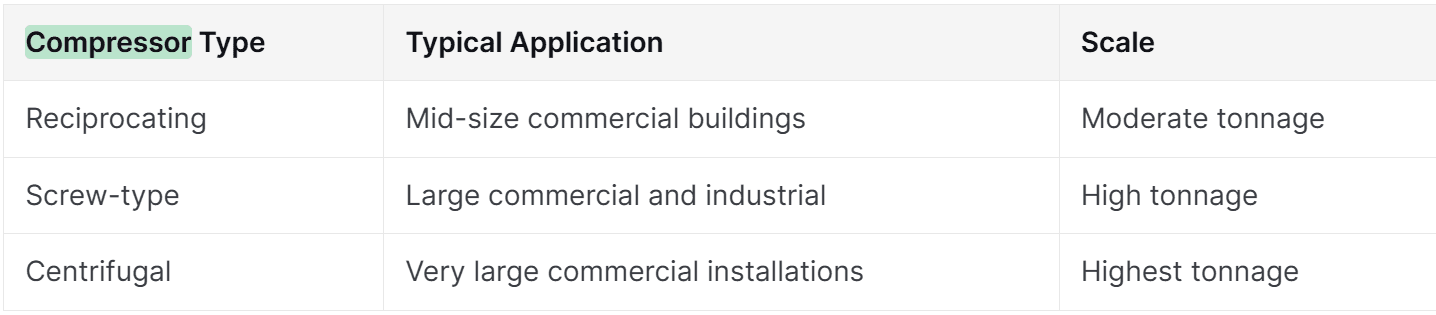
Reciprocating compressors use a piston-driven mechanism to compress refrigerant. Screw-type compressors rely on interlocking helical rotors, making them well-suited for sustained, high-load operation. Centrifugal designs apply rotational force to refrigerant vapor and appear only in the most demanding large-scale environments.
How Does Compressor Selection Affect a Commercial HVAC System Long-Term?
Compressor selection is a major design and operational decision for any HVAC system compressor, not simply a procurement detail. Once a commercial system is fully configured, operators should maintain the same make and model throughout its service life. Substituting a different type mid-cycle introduces compatibility risks and undermines system efficiency.
Compressors Unlimited stocks remanufactured commercial compressors ranging from 7.5 to 200 tons, covering the full spectrum from mid-size commercial buildings to large industrial facilities. Facility managers and HVAC contractors working across that tonnage range have a single, experienced source for verified replacement units.
How Do Compressor Architectures Differ From One Another?
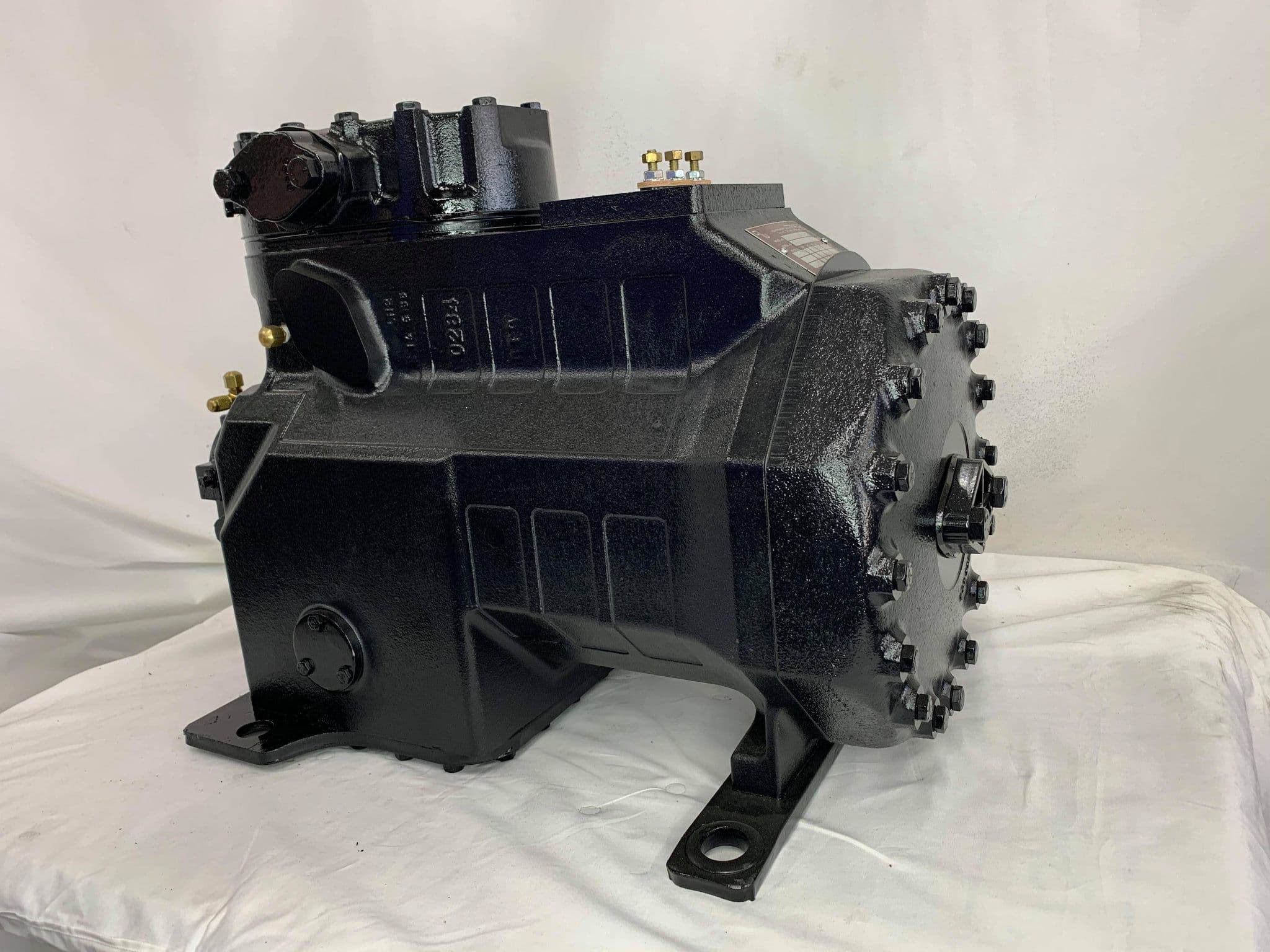
Commercial compressors are built around three distinct architectural configurations: hermetic, semi-hermetic, and open designs. Each configuration determines how the motor and compression mechanism are housed, sealed, and serviced; a distinction with direct consequences for maintenance access, operational longevity, and total cost of ownership.
The architectural category applies across compressor types. Reciprocating compressors, screw compressors, and every other mechanical variant can be manufactured in hermetic, semi-hermetic, or open configurations. Facility managers and HVAC technicians selecting a commercial AC compressor must therefore evaluate both the mechanical style and the housing architecture simultaneously.
What Are the Three Compressor Housing Configurations?
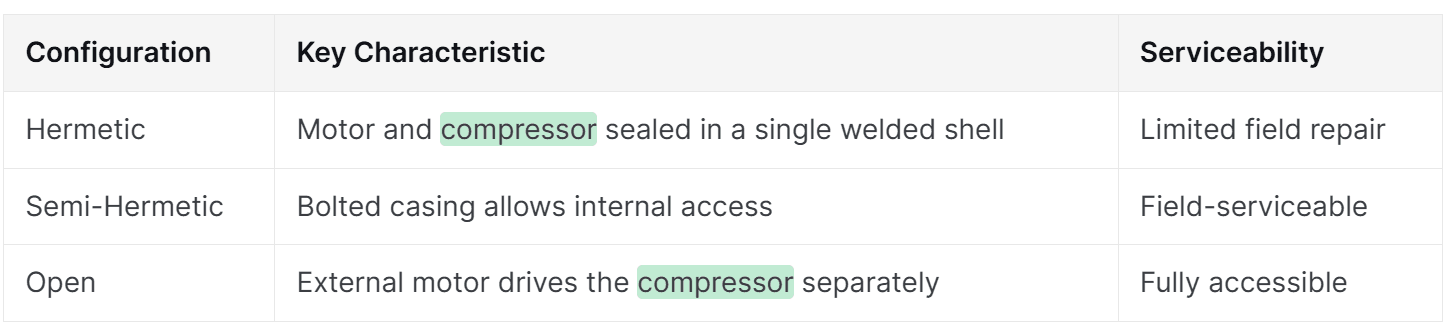
Each configuration suits different operational environments. Open designs offer maximum serviceability. Hermetic units prioritize compact installation. Semi-hermetic designs balance both priorities.
How Do Oil-Injected and Oil-Free Screw Compressors Differ?
Rotary screw compressors, a common choice for large building AC units and industrial facilities, divide into two distinct categories: oil-injected and oil-free. Oil-injected models use lubricant within the compression chamber to seal clearances and manage heat. Oil-free designs eliminate lubricant from the compression stage entirely, making them the right choice for applications where refrigerant or process-gas purity is a priority.
Understanding these distinctions is foundational to specifying the correct HVAC system compressor for any commercial installation. Selecting the wrong architecture increases downtime risk and limits long-term serviceability options.
Why Choose Remanufactured Compressors for Commercial Systems?
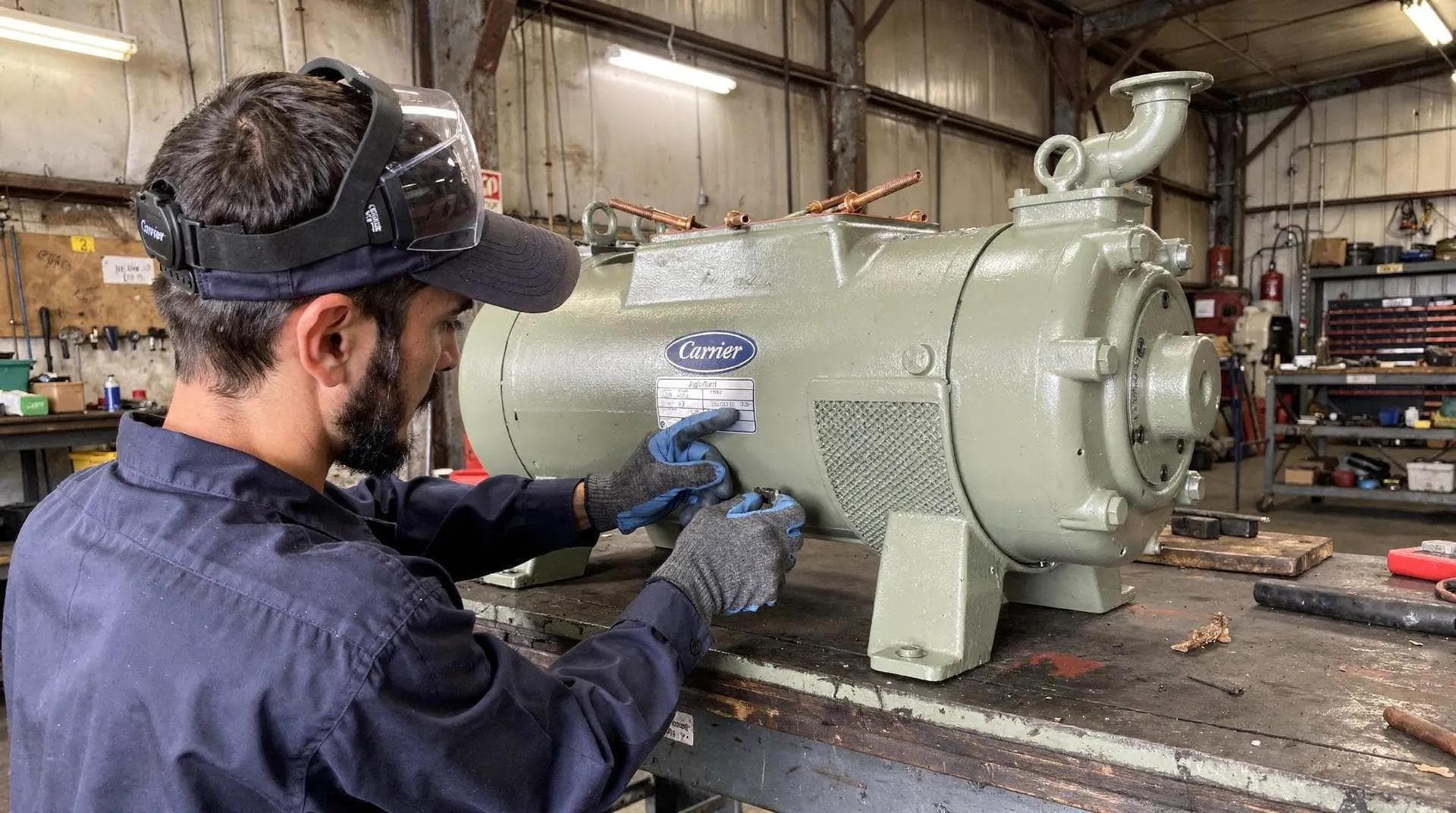
Remanufactured compressors from Compressors Unlimited deliver OEM-specification quality at up to 50% less than the cost of new units. For facility managers and HVAC contractors responsible for large commercial building AC units, that cost differential reduces capital expenditure directly without compromising performance.
Compressors Unlimited has operated out of Dallas, TX, since 1985, with staff carrying over 135 years of combined expertise in commercial compressor remanufacturing; a depth of knowledge that produces consistent, verifiable remanned quality across every unit that leaves the facility.
What warranty protection comes with a remanufactured commercial compressor?
Every remanufactured unit from Compressors Unlimited is backed by a 12-month limited warranty. That coverage gives procurement teams and service contractors a documented assurance of quality, reducing the financial risk that typically accompanies aftermarket component purchases.
How quickly can a replacement compressor be delivered?
Compressors Unlimited ships both nationwide and internationally, with Hot Shot Delivery available for domestic orders. When a failed commercial HVAC system compressor means lost productivity, tenant complaints, or spoiled inventory, speed of fulfillment is not a secondary concern; it is an operational necessity.
The core advantages of choosing remanufactured units from Compressors Unlimited are straightforward:
- Cost savings of up to 50% compared to new OEM units
- 12-month limited warranty on every remanufactured compressor
- Nationwide and international shipping, with Hot Shot Delivery for stateside orders
- Over 135 years of combined staff expertise ensuring rebuild precision
For operators managing a commercial AC compressor replacement under budget and time pressure, these factors represent a measurable, low-risk procurement path.
How Can Facilities Maximize Compressor Value and Longevity?
Facilities maximize HVAC system compressor value by prioritizing energy efficiency, selecting proven equipment for the application, and leveraging structured replacement programs. Neglecting any of these factors drives operational costs upward and shortens equipment service life.
Energy expenditure is one of the highest operational costs in commercial HVAC/R. Compressors designed to optimize performance while reducing energy consumption, such as those from Copeland, directly lower total cost of ownership across supermarkets, cold storage facilities, commercial buildings, and industrial applications.
What Compressor Brands Are Best Suited for Large Commercial Buildings?
Large building AC units demand compressors with proven durability across high-cycle, continuous-load environments. Copeland compressors are widely deployed in commercial buildings, supermarkets, and cold storage facilities precisely because their design balances efficiency with long-term reliability. Matching the compressor model to the application's load profile is the single most consequential decision facility managers make.
How Does a Core Exchange Program Reduce Replacement Costs?
A core exchange program converts a failed unit into a cost offset. Compressors Unlimited accepts cores from several major commercial AC compressor product lines through its Core Exchange Program, such as:
- York DXS cores
- Carrier 5H and 06E cores
- Copeland 3D, 4D, 6D, and 5F cores
- Bitzer cores
- Frascold cores
- Trane 2E, 3E, CHHN, CHHB, CHHP, CHHT cores
Facilities that retain failed cores that are still capable of being remanufactured rather than discarding them preserve access to this cost-reduction pathway. The program provides a structured, economical route to remanufactured replacement units without the full capital outlay of purchasing new equipment outright.
Selecting the right compressor for commercial air conditioning systems requires balancing performance specifications, operational efficiency, and long-term reliability. Compressors Unlimited delivers remanufactured and new equipment across Carrier, Copeland, Trane, York, Bitzer, and Frascold product lines, backed by decades of verified remanufacturing expertise. The right compressor selection reduces energy consumption, extends service life, and keeps capital replacement costs predictable. Facility managers and HVAC contractors can contact Compressors Unlimited for remanufactured and new units shipped nationwide and internationally.
Frequently Asked Questions
What is the difference between a scroll compressor and a screw compressor in commercial HVAC?
Scroll compressors use two interlocking spiral-shaped scrolls to compress refrigerant, making them well-suited for light-to-mid commercial loads due to their compact footprint and relatively quiet operation. Screw compressors, by contrast, use interlocking helical rotors and are engineered for high-tonnage, sustained-load environments such as large commercial buildings and industrial facilities. For commercial HVAC compressor selection, the distinction matters significantly: a scroll compressor commercial HVAC application is typically rated below 30 tons, while commercial screw compressor air conditioning systems are the standard choice when continuous high-capacity output is required.
How do I know when a commercial HVAC compressor needs to be replaced rather than repaired?
Several indicators signal that replacement is more economical than repair for a commercial AC compressor. When a compressor is overloaded by a failing condenser, refrigerant leak, oil charge, or degraded expansion valve over an extended period, accelerated internal wear typically renders field repair impractical. Reduced cooling output across the entire system, rising energy consumption, and repeated service calls on the same unit are diagnostic signals that the compressor has exceeded its useful service life. At that point, sourcing a remanufactured replacement, built to OEM specifications and backed by a warranty, is generally the lower total-cost-of-ownership path.
What tonnage range do commercial HVAC compressors typically cover?
Commercial HVAC compressors span a wide tonnage spectrum to match the thermal loads of different building types. Reciprocating compressors generally handle moderate tonnage applications in mid-size commercial buildings, while screw-type compressors are deployed in high-tonnage configurations suited to large commercial and industrial facilities. Centrifugal compressors are reserved for the very largest installations with the highest tonnage demands. Compressors Unlimited stocks remanufactured commercial compressors ranging from 7.5 to 200 tons, covering the full spectrum from mid-size office buildings to large industrial facilities requiring continuous, high-capacity cooling output.
What brands of commercial AC compressors are most commonly used in large buildings?
The most widely deployed commercial AC compressor brands in large building applications include Carrier, Copeland, Trane, York, Bitzer, and Frascold. Copeland compressors are particularly common across commercial buildings, supermarkets, and cold storage facilities because their design balances HVAC compressor efficiency with long-term reliability under high-cycle, continuous-load conditions. Carrier and Trane units are standard in mid-to-large commercial office and institutional environments. Compressors Unlimited supplies remanufactured and new units across all of these major brands, giving facility managers and commercial HVAC contractors a single verified source for replacement units regardless of the installed equipment.
How does compressor architecture, hermetic, semi-hermetic, or open, affect maintenance and serviceability?
Compressor housing architecture directly determines how accessible the unit is for field service and repair. Hermetic compressors seal the motor and compression mechanism inside a single welded shell, which limits field repair options; these units are typically replaced rather than serviced in place. Semi-hermetic compressors use a bolted casing that allows technicians to access internal components, making them field-serviceable and better suited to applications where on-site maintenance is a priority. Open compressors drive the compression mechanism via an external motor, offering maximum accessibility for skilled technicians. Selecting the correct architecture is as consequential as selecting the correct mechanical compressor type.
What is a commercial chiller compressor, and how does it differ from a standard commercial HVAC compressor?
A chiller compressor is the compression component within a water-cooled or air-cooled chiller system, which transfers heat through a chilled-water loop rather than distributing conditioned air directly. Chiller compressor types include centrifugal, screw, and scroll variants; the same mechanical categories used in direct-expansion commercial HVAC systems, but they are sized and configured specifically for the chiller's refrigerant circuit and water-side heat exchange demands. In large commercial installations, centrifugal chiller compressors are the dominant choice due to their capacity to handle the very highest cooling tonnage requirements efficiently over sustained operating periods.
Commercial Remanufactured AC Compressor
Selecting the right compressor for commercial air conditioning systems requires evaluating mechanical type, housing architecture, and tonnage range against the specific demands of the facility. Reciprocating, screw-type, and centrifugal configurations each serve distinct load profiles, while hermetic, semi-hermetic, and open housing architectures determine long-term serviceability and maintenance access. Remanufactured units built to OEM specifications, backed by a 12-month limited warranty and supported by over 135 years of combined staff expertise, offer a documented, cost-effective path to maintaining large building AC units without sacrificing performance or reliability. Facility managers and HVAC contractors sourcing replacement commercial AC compressors from Carrier, Copeland, Trane, York, Bitzer, or Frascold product lines can contact Compressors Unlimited for verified remanufactured and new units shipped nationwide and internationally.