
5 Warning Signs Your Commercial Compressor Needs Replacement
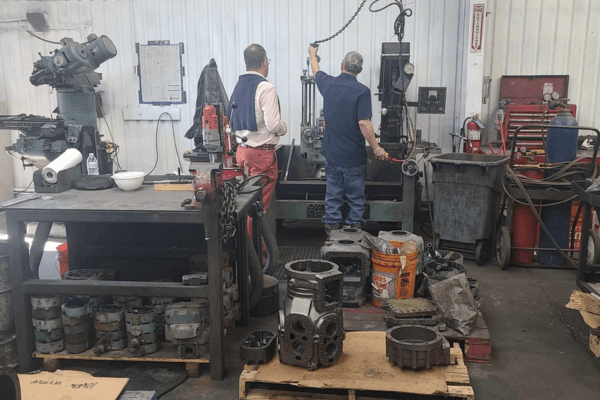
Discover the 5 key warning signs your commercial compressor is failing. Learn how to prevent costly downtime with proactive monitoring and reliable remanufactured replacements from Compressors Unlimited.
Commercial HVAC/R compressors are the unsung heroes of building systems. They power air conditioning in large office complexes, keep products cold in grocery chains, and support temperature control in hospitals, data centers, dairy farms, and manufacturing facilities. When a compressor starts to fail, the ripple effect is immediate and expensive. Entire systems shut down, and downtime can translate to lost revenue, safety concerns, and even damaged products.
For building maintenance professionals and facility managers, spotting early warning signs isn’t just about avoiding a breakdown. It’s about protecting budgets, keeping systems reliable, and maintaining the trust of tenants, customers, or stakeholders. This article explores five key signs your commercial HVAC/R compressor may need replacement and offers guidance on how to prevent costly downtime.
Why Facility Managers Should Pay Attention
Facility managers juggle countless responsibilities, from HVAC comfort to refrigeration compliance. Compressors often sit at the center of these responsibilities because they are the heart of cooling systems. Unfortunately, compressors don’t last forever. Average life expectancy can range from 8 to 15 years, depending on load conditions and maintenance practices.
By paying attention to subtle changes, you can avoid the scenario every facility manager dreads: an unexpected shutdown during peak demand season. Proactive monitoring paired with a solid replacement plan can keep your systems efficient and extend their service life.
1. Unusual Noises or Vibration
A healthy compressor hums along steadily. When that sound changes, it’s usually the system’s way of asking for help. Knocking, rattling, clanging, or excessive vibration often signals trouble with internal components like pistons, bearings, or valves.
- Why it matters: Prolonged vibration can loosen electrical connections, crack mounts, and stress piping. Left unchecked, it can cause cascading failures beyond the compressor itself.
- What to do: Don’t dismiss noise as “normal wear.” Schedule a vibration analysis and mechanical inspection. If wear is advanced, plan for replacement before catastrophic damage occurs.
2. Rising Energy Bills Without Increased Demand
Energy costs are one of the most reliable indicators of system performance. If your utility bills are climbing but occupancy levels or cooling loads remain the same, your compressor may be operating inefficiently.
- Why it matters: A worn compressor draws more amperage to maintain pressure levels. This constant overworking increases operating costs and accelerates wear on electrical components.
- What to do: Establish a baseline energy usage for your facility’s cooling systems. Compare monthly usage against building loads. If energy consumption spikes without a clear explanation, have the compressor inspected and tested for declining efficiency.
3. Oil or Refrigerant Leaks
Oil or refrigerant leaks are among the most visible red flags. A small pool of oil around seals or oily residue near discharge ports can point to a seal failure or a worn gasket. Similarly, refrigerant leaks can cause pressure imbalance and cooling inefficiency.
- Why it matters: Low oil levels mean poor lubrication, which can quickly destroy bearings and pistons. Low refrigerant levels cause overheating and poor performance, placing even more stress on the compressor.
- What to do: Incorporate leak detection into your regular maintenance program. A refrigerant recharge without addressing the underlying leak is a temporary fix that shortens compressor life. If repeated leaks occur, it may be more cost-effective to move directly to a remanufactured replacement.
4. Inconsistent Cooling or Temperature Fluctuations
One of the first signs that facility teams notice is inconsistent performance. If spaces don’t reach setpoint temperatures or cold storage areas swing outside safe ranges, the compressor may be losing capacity.
- Why it matters: Inconsistent cooling undermines comfort, productivity, and in many industries, regulatory compliance. For example, food service or pharmaceutical storage facilities face high risks if temperatures are not stable.
- What to do: Verify that airflow, thermostats, and system controls are functioning properly. If those are in order, the compressor is likely underperforming. A unit struggling to meet demand is often nearing the end of its life and should be scheduled for replacement.
5. Frequent System Trips or Hard Starts
If your system trips breakers regularly or the compressor struggles to start, this is a major red flag. Electrical stress may indicate failing motor windings, weak start capacitors, or insulation breakdown.
- Why it matters: Electrical problems don’t just harm the compressor; they can also damage other building electrical systems. Repeated hard starts put intense strain on the motor, shortening compressor life dramatically.
- What to do: Regularly check amperage draw during startup and full load. If readings drift higher than normal, it’s time to investigate. A failing motor may still operate for weeks or months, but each restart increases the risk of sudden failure.
How to Prevent Downtime When Replacement Is Needed
Even the best maintenance can’t prevent every failure. Compressors have a finite lifespan, especially in high-demand applications. When replacement becomes inevitable, speed and accuracy are critical.
Choose Remanufactured Compressors
A remanufactured unit offers a cost-effective and reliable alternative to buying new, with faster lead times and full compatibility with your system. Compressors Unlimited provides Carrier, Copeland, Trane, and Bitzer remanufactured compressors that meet or exceed OEM standards.
Keep Critical Spares on Hand
For mission-critical facilities such as hospitals, data centers, or cold storage warehouses, maintaining spare compressors can help eliminate downtime.
Partner With a Trusted Supplier
Working with a supplier that specializes in decoding model numbers, matching tonnage, and configuring refrigerant/oil compatibility ensures that your replacement process is seamless. Compressors Unlimited backs every unit with a limited warranty and thorough testing for peace of mind.
Leverage Data Monitoring
Investing in smart monitoring tools can provide early alerts before failure. Sensors that track vibration, amperage, oil temperature, and refrigerant pressure give facility managers valuable insights for preventive action.
Real-World Examples of Warning Signs in Action
- Cold Storage Warehouse: A facility noticed fluctuating freezer temps but no alarms. Upon inspection, technicians found the compressor struggling to maintain suction pressure. A remanufactured replacement prevented spoilage and avoided tens of thousands of dollars in losses.
- Office Tower HVAC: Rising utility bills triggered an energy audit. The root cause was a compressor pulling significantly higher amperage than normal. Proactive replacement reduced energy costs and eliminated tenant complaints about uneven cooling.
- Healthcare Facility: A compressor began tripping breakers multiple times a day. Immediate replacement avoided a critical system shutdown during a summer heat wave, protecting patients and sensitive medical equipment.
Key Takeaway for Facility Managers
Ignoring compressor warning signs can quickly lead to system shutdowns and costly downtime. By watching for unusual noises, rising energy use, leaks, temperature swings, and electrical issues, you can act before failure occurs. Pairing proactive monitoring with a plan for rapid replacement keeps your facility’s operations running smoothly.
If you suspect your compressor is nearing failure, please contact your Compressors Unlimited team with your model number. We’ll help you find a tested, remanufactured replacement that keeps your building online and your bottom line protected.