
Megohm and Winding Resistance Testing for Commercial Compressor Motors
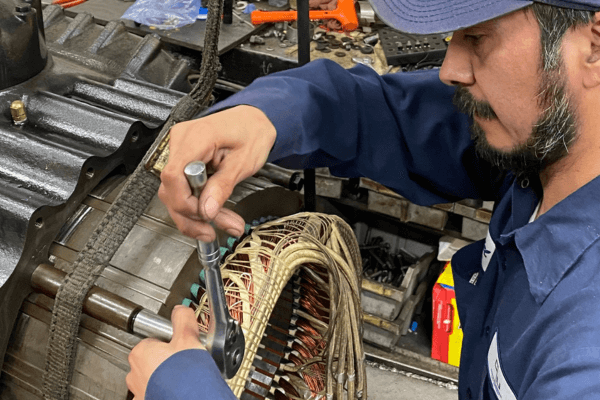
two simple electrical tests can save you thousands of dollars and hours of diagnostic headaches: megohm (insulation resistance) testing and winding resistance testing.
When you're standing in front of a commercial compressor with a multimeter in hand, two simple electrical tests can save you thousands of dollars and hours of diagnostic headaches: megohm (insulation resistance) testing and winding resistance testing. These foundational measurements separate viable motor candidates from those destined for the scrap bin, but only if you know what numbers you're looking for and how to interpret them correctly.
After years of remanufacturing commercial HVAC/R compressors, I've seen technicians repeatedly make the same testing mistakes. They'll pass a compressor with borderline megohm readings, only to have it fail catastrophically after installation. Or they'll condemn a perfectly good motor because they didn't account for temperature effects on winding resistance. Understanding these tests isn't just about passing certification exams; it's about making confident decisions that protect your reputation and your customers’ investment.
Understanding Megohm Testing: Your First Line of Defense
Megohm testing measures insulation resistance between motor windings and ground. This test determines whether the motor's electrical insulation has degraded to the point that current can leak to the compressor shell. According to the Institute of Electrical and Electronics Engineers (IEEE), proper insulation resistance is critical for motor longevity and safe operation.
Pass/Fail Numbers, Common Traps, and What to Do Next
For commercial compressor motors operating at 460V three-phase or 230V single-phase, industry standards provide clear guidance. The minimum acceptable insulation resistance should be at least 1 megohm per 1,000 volts of rated operating voltage, plus an additional 1 megohm. For a 460V motor, that means you need at least 1.46 megohms minimum, but that's the absolute floor.
In practical remanufacturing applications, I won't accept anything below 10 megohms on a cleaned, dry motor at room temperature. New or freshly rewound motors should measure 100 megohms or higher. These aren't arbitrary numbers; they provide meaningful safety margins against future degradation.
Temperature and Moisture: The Hidden Variables
Here's where technicians get tripped up: insulation resistance readings are extremely temperature-sensitive. The National Electrical Manufacturers Association (NEMA) documents show that insulation resistance approximately halves for every 10°C (18°F) increase in winding temperature. A motor measuring 50 megohms at 25°C might only show 12.5 megohms at 45°C.
Moisture contamination causes even more dramatic changes. A compressor that's been sitting in a humid environment or exposed to flood conditions can show seemingly failed readings that completely resolve after proper drying. Before condemning a motor based on low megohm readings, verify the motor temperature and consider the environmental exposure history.
Winding Resistance Testing: Detecting Shorted Turns and Open Circuits
While megohm testing evaluates insulation integrity, winding resistance testing measures the actual resistance of the copper windings themselves. This test identifies shorted turns, open windings, and can reveal manufacturing defects invisible to visual inspection.
Three-Phase Motor Testing Expectations
For three-phase motors, you're measuring resistance across three windings: typically labeled T1-T2, T2-T3, and T3-T1. In a perfectly balanced motor, these three readings should be identical. The Air Conditioning, Heating, and Refrigeration Institute (AHRI) suggests that a winding resistance imbalance exceeding 5% indicates potential problems.
In real-world conditions, I use a tighter tolerance. If any winding measures more than 2-3% different from the others, that motor gets flagged for further investigation. A 5-ton scroll compressor might have winding resistances around 1.2-1.8 ohms per phase at room temperature. Finding readings of 1.2, 1.3, and 1.7 ohms tells you something isn't right, likely shorted turns in the highest-reading winding.
Single-Phase Motor Complexity
Single-phase compressor motors add complexity because you're dealing with different winding types: run winding, start winding, and sometimes a separate relay winding. The start winding intentionally has higher resistance than the run winding because it uses finer wire with more turns.
For a typical residential-sized hermetic compressor motor, you might see run winding resistance of 1-3 ohms, start winding resistance of 3-8 ohms, and common-to-common resistance equal to the sum of run and start. These ratios vary significantly by compressor size and manufacturer, so consulting the compressor's technical data sheet becomes essential.
Common Testing Traps That Lead to Wrong Decisions
Trap #1: Testing Cold Windings Only
Many technicians test compressor motors immediately after removing them from refrigeration or after they've been sitting in cold storage. Cold windings show artificially high resistance readings. Copper's resistance increases approximately 0.4% per degree Celsius. A motor at 5°C might measure 15% higher resistance than the same motor at 25°C.
Always allow motors to stabilize at room temperature before testing, or use temperature correction formulas to normalize your readings. Otherwise, you'll reject good motors or miss actual problems.
Trap #2: Ignoring Meter Lead Resistance
When measuring winding resistances in the 0.5-3 ohm range, common for many commercial compressors, your meter lead resistance becomes significant. Quality digital multimeters include a "zero" or "null" function specifically to compensate for lead resistance.
Before testing compressor windings, short your meter leads together and note the reading. Subtract this value from your compressor measurements. That 0.2-0.3 ohm lead resistance might represent 10-20% of your total reading on small compressors.
Trap #3: Surface Testing Without Cleaning Terminals
Oil contamination, oxidation, and corrosion on compressor terminals create resistance that appears as winding resistance. I've seen technicians condemn motors showing 10+ ohms of resistance that measured perfectly normal after cleaning terminals with contact cleaner and light abrasion.
Always clean terminal connections thoroughly before final testing. Use electrical contact cleaner and a fine wire brush or abrasive pad. Retest after cleaning; you'll be surprised how often "bad" motors suddenly pass.
What to Do When Numbers Fall in the Gray Zone
Not every test delivers clear pass/fail results. Here's how to handle borderline cases:
Megohm Readings Between 2-10 Megohms
These motors exist in a gray zone. They technically exceed minimum standards but lack the safety margin you want. My decision process considers the motor's intended application. For a critical refrigeration system or a remanufactured unit with warranty implications, I'll reject anything below 20 megohms. For a non-critical application where the customer understands the risks, some technicians (not us) might accept 5+ megohms with appropriate documentation.
Consider baking the motor in a controlled oven at 100-120°C for several hours to drive out moisture, then retest. Many borderline motors jump to 50+ megohms after proper drying.
Winding Resistance Imbalance of 3-5%
This range requires investigation rather than automatic rejection. Verify your testing methodology first, ensure terminal cleanliness, temperature stability, and proper meter zeroing. If the imbalance persists, consider the motor's history. A 4% imbalance on a motor with an unknown history might indicate developing shorts. The same imbalance on a motor that's been performing reliably for years might simply reflect manufacturing tolerances.
Testing Best Practices for Consistent Results
Develop a systematic testing protocol and follow it religiously. I test every motor at the same ambient temperature (20-25°C), with cleaned and dried terminals, using calibrated meters with fresh batteries. I record all readings, including date, temperature, and motor identification, for future reference.
For high-value remanufacturing projects, test motors multiple times over several days. Insulation resistance that decreases over time, say from 30 megohms to 8 megohms over three days, indicates progressive insulation breakdown even if individual readings technically pass.
The Refrigerating Engineers & Technicians Association (RETA) recommends documenting all test results as part of comprehensive compressor maintenance records. These historical readings become invaluable for trending analysis and predicting failures before they occur.
Making the Final Decision For Your Compressor Motor
When test numbers clearly pass or fail, your decision is straightforward. The challenging situations arise in those gray zones where numbers suggest caution but don't demand rejection. In these cases, consider the total picture: motor history, application criticality, customer budget constraints, and your own liability tolerance.
Remember that passing electrical tests doesn't guarantee motor longevity; it simply confirms the motor meets minimum electrical standards at this moment. Factors like bearing condition, refrigerant contamination, and operational stresses all impact ultimate reliability. Megohm and winding resistance testing form essential parts of a comprehensive evaluation, not standalone predictors of future performance.
For compressor remanufacturers and service technicians alike, mastering these two fundamental tests separates professionals from parts-changers. Know your numbers, understand the variables affecting them, and develop the judgment to make confident decisions when readings fall outside textbook ranges. Your reputation depends on getting these calls right.