
What Causes High Discharge Temperatures in Compressors and How to Fix Them
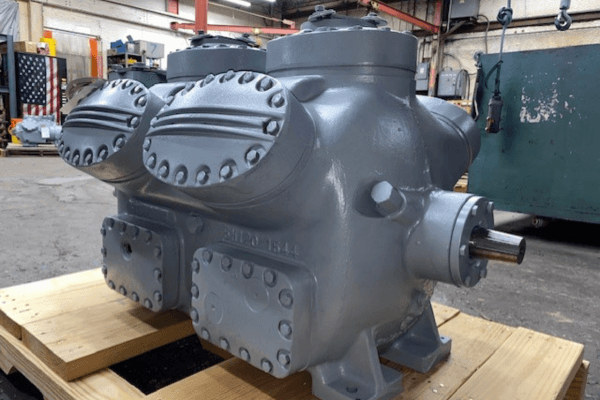
High discharge temperatures? Learn the causes, risks, and how to fix overheating in commercial HVAC and refrigeration compressors to prevent damage and costly downtime.
High discharge temperature is one of the most critical warning signs in commercial HVAC and refrigeration systems. It often goes unnoticed until it triggers safety shutdowns or causes serious internal damage.
For technicians who service systems equipped with Carrier 06D, Carrier 06E, or Copeland 3D semi-hermetic compressors, monitoring discharge temperature is crucial. Elevated temperatures cause rapid oil breakdown, damage to valves, and ultimately, compressor failure.
This essential guide outlines the causes of high discharge temperatures, provides diagnostic methods, and explains corrective measures to prevent expensive downtime.
What Is Discharge Temperature and Why It Matters
Discharge temperature is the temperature of the refrigerant gas as it leaves the compressor. It reflects how hard the compressor is working and how efficiently the system is operating.
Under normal conditions, discharge temperature is controlled by:
- Suction temperature
- Compression ratio
- Refrigerant type
- System load
When discharge temperature rises beyond normal operating limits, it signals a problem in the system.
Why High Discharge Temperatures Are Dangerous
Excessive discharge temperature affects multiple components inside the compressor.
Oil Breakdown
High temperatures reduce oil viscosity and lubrication effectiveness. This leads to:
- Increased friction
- Accelerated wear
- Reduced cooling of internal components
Valve and Component Damage
Excessive heat can warp or damage valve plates and reeds, reducing compressor efficiency.
Carbon Formation
Oil exposed to high temperatures begins to break down and form carbon deposits. These deposits restrict oil flow and increase internal wear.
Electrical Insulation Failure
Motor windings are insulated to handle specific temperatures. Prolonged overheating degrades insulation and can lead to electrical failure.
Common Causes of High Discharge Temperature
1. High Compression Ratio
The compression ratio is the relationship between discharge pressure and suction pressure.
High compression ratios occur when:
- Head pressure is too high
- Suction pressure is too low
The higher the ratio, the harder the compressor works, which increases discharge temperature.
2. Low Suction Pressure
Low suction pressure is one of the most common causes of high discharge temperature.
This can result from:
- Refrigerant undercharge
- Restricted expansion valve
- Dirty evaporator coils
- Low airflow across the evaporator
When suction pressure drops, the compressor has less cooling effect from returning refrigerant vapor.
3. High Head Pressure
High head pressure increases compression work.
Causes include:
- Dirty condenser coils
- Blocked airflow
- Failed condenser fans
- Non-condensable gases in the system
Systems operating under high head pressure will consistently show elevated discharge temperatures.
4. Refrigerant Charge Problems
Improper refrigerant charge affects system balance.
- Undercharged systems reduce cooling and increase temperature
- Overcharged systems raise head pressure
Both conditions can contribute to overheating.
5. Restricted Refrigerant Flow
Restrictions in the system can cause pressure imbalances.
Common restrictions include:
- Clogged filter-driers
- Partially closed valves
- Blocked expansion devices
Restrictions reduce refrigerant flow and increase compressor workload.
6. Improper Oil Circulation
Oil plays a role in cooling and lubrication.
Poor oil return or degraded oil can lead to:
- Increased friction
- Reduced heat transfer
- Higher operating temperatures
This is especially important in systems using Carrier 06E and Copeland 3D compressors, where oil must circulate efficiently.
7. Floodback and Oil Dilution
Liquid refrigerant returning to the compressor dilutes oil, reducing lubrication effectiveness.
This can cause:
- Increased wear
- Elevated temperatures
- Internal damage
8. High Ambient Conditions
Systems operating in high ambient environments struggle to reject heat.
This increases:
- Condensing pressure
- Compressor workload
- Discharge temperature
How to Diagnose High Discharge Temperature
Step 1: Measure System Pressures
Check suction and discharge pressures to determine if the compression ratio is excessive.
Step 2: Inspect Condenser Performance
- Clean coils
- Verify fan operation
- Ensure airflow is unobstructed
Step 3: Check Evaporator Conditions
- Inspect airflow
- Check for ice buildup
- Verify expansion device operation
Step 4: Verify Refrigerant Charge
Use pressure and temperature readings to confirm proper charge.
Step 5: Evaluate Oil Condition
- Check oil level
- Look for discoloration or breakdown
- Replace contaminated oil
Step 6: Inspect for Restrictions
Check filter-driers, valves, and piping for flow restrictions.
How to Fix High Discharge Temperature
Reduce Head Pressure
- Clean condenser coils
- Repair or replace condenser fans
- Remove non-condensables
Increase Suction Pressure
- Correct refrigerant charge
- Improve airflow across the evaporator
- Repair expansion devices
Restore Proper Refrigerant Flow
- Replace clogged filter-driers
- Open restricted valves
- Clear blockages
Improve Oil Circulation
- Ensure proper oil return
- Replace degraded oil
- Inspect oil separators
Address System Design Issues
- Evaluate piping
- Adjust system controls
- Ensure proper load balance
When High Discharge Temperature Leads to Compressor Failure
If overheating continues, the compressor will eventually fail.
Signs include:
- Burned oil
- Repeated thermal trips
- Mechanical noise
- Reduced capacity
At this point, replacement is often required.
Why Remanufactured Compressors Are a Practical Solution
When replacement is necessary, remanufactured compressors offer:
- Faster availability
- Cost savings
- Compatibility with existing systems
Compressors Unlimited remanufactures:
- Carrier 06D and 06E
- Copeland 3D semi-hermetic compressors
These units are rebuilt to OEM standards and tested for performance.
Real-World Example of Commercial HVAC Compressor
A facility operating a Carrier 06E compressor experienced high discharge temperatures and repeated shutdowns.
The issue was traced to:
- Dirty condenser coils
- Failed condenser fan motor
- Slight refrigerant overcharge
After correcting these issues, discharge temperatures returned to normal and the compressor operated reliably.
Common Questions About High Discharge Temperature
What causes high discharge temperature in a compressor
High compression ratio, low suction pressure, high head pressure, and refrigerant issues are the most common causes.
How do you lower the compressor discharge temperature
Improve airflow, correct refrigerant charge, and fix system imbalances.
Is high discharge temperature dangerous
Yes. It leads to oil breakdown, component damage, and eventual compressor failure.
Final Perspective for Commercial HVAC Professionals
High discharge temperature is not just a number. It is a warning sign that the system is under stress.
Ignoring it leads to inefficiency, increased energy costs, and equipment failure. Addressing it early protects both the compressor and the system.
Whether you are servicing a Carrier 06E rooftop unit or a Copeland 3D refrigeration system, understanding discharge temperature helps you diagnose problems faster and prevent costly repairs.
At Compressors Unlimited, we support contractors with remanufactured compressors built to OEM standards and the technical insight needed to solve real-world system issues.